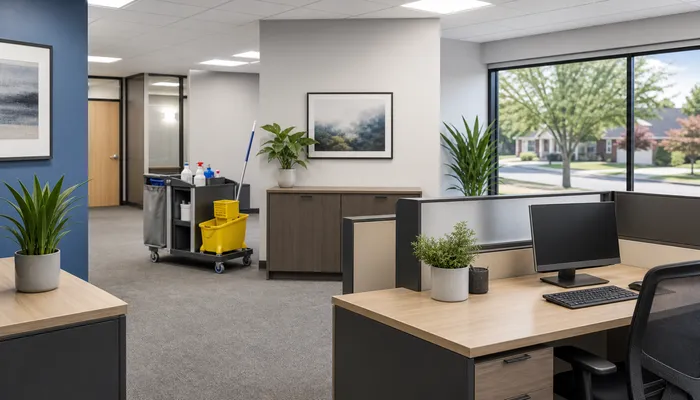
Every business owner in Illinois eventually faces the same challenge: how do you find a commercial cleaning service Illinois companies genuinely trust? With the state’s diverse economy — from downtown Chicago skyscrapers to suburban medical offices and neighborhood restaurants — the need for consistent, professional cleaning is universal. But the process of choosing the right partner involves much more than browsing a list of names. It’s about understanding what questions to ask, what standards to demand, and why local expertise matters, especially in the West Chicago suburbs like Forest Park, La Grange, River Grove, Riverside, and Western Springs.
This guide won’t sell you a single provider or push a service menu. Instead, it gives you the criteria, local context, and practical knowledge to make an informed decision — whether you manage a dental office in La Grange, a retail store in Forest Park, or a gym in Western Springs.
Why Illinois Businesses Need a Reliable Commercial Cleaning Partner
Illinois is the sixth-most populous state in the U.S., home to over 12.6 million residents and the fifth-largest state economy by GDP (Wikipedia — Illinois). The sheer density of commercial activity means that offices, healthcare facilities, restaurants, schools, and retail spaces coexist in tight proximity. A cleaning lapse doesn’t just affect one business; it can ripple through a building, a strip mall, or a professional park.
For Illinois businesses, reliability is not a luxury. Health code compliance, employee wellness, and customer perception all depend on the cleanliness of every surface. That’s why the phrase commercial cleaning service Illinois is more than a search term — it reflects a real operational requirement for thousands of companies across the Chicago metropolitan area and beyond.
Key factors that distinguish a trustworthy partner include:
- Local accountability: A family‑owned, locally operated team understands the rhythms of Cook County municipalities and can respond quickly when issues arise.
- Consistent staffing: Trained, vetted employees who follow the same Facility First Standard™ checklist every visit, regardless of the city or facility type.
- Flexible scheduling: 24/7 availability and after‑hours service — critical for restaurants that need deep cleaning between shifts or medical offices that cannot be disturbed during patient hours.
- Eco‑friendly options: Products that meet the EPA’s Safer Choice guidelines safeguard both workers and the environment without compromising effectiveness.
- Satisfaction promises: A provider willing to re‑clean if something isn’t done correctly sends a clear message about quality assurance.
Understanding the West Chicago Suburbs Business Landscape
The western suburbs of Chicago are not a monolith. Each community has its own character, business mix, and cleaning demands. Knowing these differences helps you evaluate whether a cleaning service truly understands the area.
Forest Park: Along Madison Street, you’ll find a dense mix of restaurants, small retailers, and professional offices. The volume of foot traffic makes frequent floor care and sanitization essential. Businesses here often seek restaurant cleaning services in Forest Park, IL that can work late nights and handle grease buildup, high‑touch surfaces, and health inspection readiness.
La Grange: Known for its historic downtown and thriving medical community, La Grange hosts many dental and medical offices, as well as boutique shops and corporate headquarters. Office cleaning for La Grange, IL often requires strict confidentiality protocols, attention to waiting‑room appearances, and the ability to work around sensitive equipment.
River Grove: This village blends commercial corridors with educational institutions and family‑owned businesses. From specialty grocery stores to small fitness centers, the emphasis is on dependable, recurring service. Providers that offer retail store cleaning solutions for River Grove, IL must adapt to varying store layouts and operating hours.
Riverside: A National Historic Landmark village, Riverside’s business district includes professional services, real estate offices, and a tight‑knit community of independent retailers. Because many buildings are older, dust control and gentle cleaning methods matter. Medical office cleaning in Riverside, IL and specialty clinic cleaning call for trained technicians who understand regulatory standards without damaging period details.
Western Springs: With a mix of small offices, salons, daycares, and fitness studios, Western Springs demands versatility. A cleaning partner here might shift from sanitizing child‑safe play areas in the morning to deep‑cleaning gym equipment at night. That’s why daycare cleaning services near Western Springs, IL are just one example of the tailored approach needed to serve this community.
How to Evaluate a Commercial Cleaning Service in Illinois
Not all cleaning companies present themselves honestly. Before you sign an agreement, ask these practical questions — and don’t settle for vague answers:
- What does your standard visit include? A clear written scope of work prevents misunderstandings. If you run a beauty salon, does the checklist cover disinfecting chairs and shampoo bowls? For a gym, are locker rooms and equipment contact points specifically addressed?
- Who will be on my property? Ask about employee screening, training, and whether the same crew will be assigned consistently. Turnover can lead to quality gaps.
- How do you handle after‑hours access and security? In many western suburbs, businesses want cleaning done after 5 p.m. or early morning. Confirm that the provider has a tested system for keycard access, alarm codes, and security protocols.
- Do you carry proper insurance? While we can’t guarantee specific coverage, any reputable commercial cleaner should be able to show proof of general liability insurance upon request.
- What happens if I’m not satisfied? A response like “we’ll come back and make it right” is more meaningful than a generic satisfaction survey. Look for a service that backs its Facility First Standard™ with real accountability.
Reading a Cleaning Proposal Like a Business Owner
Commercial cleaning contracts can be confusing. Terms like “detail cleaning,” “frequency rotation,” and “consumable supplies” may hide important gaps. In a separate article, we outlined the 7 red flags in a commercial cleaning proposal that look “normal” — reading it can save you from signing a deal that disappoints.
Beyond red flags, it’s worth digging into whether the provider has invested in business cleaning solutions such as modern equipment, staff development, and quality‑control systems. A company that only cuts costs will eventually cut corners, and that costs you more in rework, complaints, and lost customers.
For a broader perspective on what sets professional cleaning apart, see Commercial Cleaning: A Detailed Insight. It explains the difference between routine janitorial tasks and a true facility maintenance program — knowledge that helps you price quotes accurately.
Why Local Knowledge Matters in the West Suburbs
Chain cleaning companies often apply a one‑size‑fits‑all model. But a family‑owned business rooted in Chicago’s suburbs knows that La Grange’s medical office cleaning requires different protocols than a restaurant in Forest Park or a daycare in Western Springs. Local providers also understand county‑level health department expectations, the logistics of working within historic districts like Riverside, and the seasonal demands that affect scheduling (such as snow‑salt residue on retail floors in winter).
When a commercial cleaning service Illinois businesses hire is locally accountable, you can check references just a few neighborhoods away. That transparency fosters trust and often leads to longer‑term partnerships — exactly what facility managers want when they’re busy running a business.
Frequently Asked Questions About Commercial Cleaning in Illinois
What should I include in a request for proposal?
A thorough RFP includes the facility square footage, number of employees, type of business, specific high‑touch areas, desired frequency (daily, 3x/week, weekly), and any special access requirements. The more detail you provide, the more accurate the quote will be. Avoid vague language; list the spaces — restrooms, breakrooms, waiting areas, exam rooms — that need attention.
How often should a business schedule commercial cleaning in the West Chicago Suburbs?
Frequency depends on your industry. A medical office may need daily cleaning of patient areas and a weekly deep clean, while a carpeted office in La Grange might thrive with 3 visits per week. Restaurants and gyms often require daily service due to high contact and health regulations. A reliable provider will help you build a schedule around your operational peaks without disrupting your workflow.
Are commercial cleaners required to be licensed in Illinois?
Illinois does not have a statewide commercial cleaning license, but many municipalities have business registration requirements. At a minimum, any legitimate commercial cleaning service should carry general liability insurance and workers’ compensation coverage. Always ask for documentation before allowing a crew onto your premises.
What’s the difference between janitorial services and a commercial cleaning service?
Janitorial services typically handle routine tasks like trash removal, vacuuming, and surface wiping. A full commercial cleaning service also includes deep cleaning, floor care, window cleaning, sanitization of high‑touch surfaces, and often specialized services such as upholstery or grout cleaning. For a detailed breakdown, read our post Commercial Cleaning: A Detailed Insight.
Can I request eco‑friendly cleaning products?
Yes, and many Illinois businesses prefer it. The EPA’s Safer Choice label helps identify products that are effective yet less harmful. Providers that use eco‑friendly chemicals often highlight this in their documentation. If this is important to your brand values, make it a mandatory requirement in your RFP.
Choosing the right commercial cleaning service Illinois involves looking beyond price. It’s about finding a partner that understands your business, shows up consistently, and treats your facility as if it were their own. By asking the right questions and understanding the local landscape — from Forest Park to Western Springs — you can make a decision that keeps your team healthy, your customers happy, and your reputation spotless.
If you manage a facility in any of these communities, explore the dedicated service pages for each city to see how targeted cleaning plans work in practice. A brief conversation is often the best first step toward a cleaner, more productive workspace.