
Who Cleans What in a Chicago Medical Office When Clinical Staff and Janitors Share Space
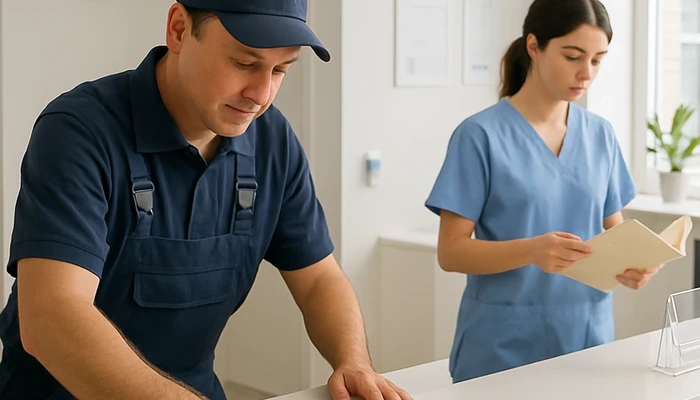
If you manage or work in a Chicago medical office, you know impeccable hygiene is non-negotiable. But with clinical teams and janitorial staff sharing space and responsibility, blurred lines can risk safety, compliance, and patient trust. Precisely who cleans what in a Chicago medical office isn’t just a practical question—it’s a critical one. In this guide, you’ll learn how responsibilities are split, applicable protocols, how to develop cleaning checklists, and frameworks to streamline teamwork. By the end, you’ll confidently navigate dividing cleaning duties between clinical and janitorial staff for safer, healthier spaces. This information-rich resource draws from both healthcare best practices and practical insights from CHICAGOLAND Cleaning Services’ Chicago-area cleaning specialists.
Understanding the Landscape: Why Clear Cleaning Roles Matter in Medical Offices
The unique risks in medical offices demand more than “tidiness”—they require coordinated efforts via clear, documented cleaning roles. Overlapping responsibilities can lead to missed tasks or duplication, risking compliance and infection control. In this section, you’ll discover why defining who cleans what, when, and how in a Chicago medical office makes a real difference for everyone—from clinicians to support staff and patients.
- Reduces risk of cross-contamination by assigning protocols for each surface and zone.
- Meets OSHA, CDC, and state regulatory cleaning standards.
- Prevents task neglect when responsibilities are properly defined.
- Boosts morale by avoiding role confusion and extra burden on clinical staff.
How Chicago Medical Offices Typically Divide Cleaning Responsibilities
The division of cleaning duties varies based on office size, patient load, and local policies—but frameworks exist. Below is a summary comparing typical responsibilities between clinical staff and janitorial teams in most shared medical environments.
| Area/Task | Clinical Staff | Janitorial Staff |
|---|---|---|
| Exam Rooms (between patients) | ✔ (disinfect surfaces, dispose of waste) | ✖ |
| Procedure Room Deep Cleaning | ✖ (unless specified by protocol) | ✔ (scheduled, specialized) |
| Patient Waiting Areas | ✖ | ✔ (high-touch cleaning, trash removal) |
| Medical Equipment | ✔ (explicit protocols, clinical oversight) | ✖ |
| Bathroom Cleaning | ✖ | ✔ (with medical-grade procedures) |
| Medication/Injection Prep Areas | ✔ (before/after each use) | ✖ |
| Regular Floor Care | ✖ | ✔ |
| Biohazard Disposal | ✔ (used sharps, red-bag waste) | ✖ |
| Restocking Hand Sanitizer, Soap | ✔ (if urgent shortages) | ✔ (routine, scheduled) |
Legal and Regulatory Obligations Impacting Cleaning Roles
All cleaning activities in medical offices must comply with local, state, and federal requirements—starting with OSHA’s Bloodborne Pathogens Standard and guidance from the CDC. Chicago-area medical offices should document cleaning assignments in line with these requirements to avoid violations.
- Janitors cannot handle regulated medical waste; only trained clinical staff do.
- Clinical teams are responsible for cleaning after patient contact between appointments.
- Janitorial staff should have training on safe handling of disinfectants per manufacturer’s instructions.
For concise overviews, see APIC’s infection prevention resources.
Examining Grey Zones: Overlapping Cleaning Tasks
Despite distinct roles, some tasks exist in a “shared space” where clinical staff and janitors’ duties may overlap. Clarity in protocols can prevent confusion and gaps.
- After-hours cleaning of patient areas: Ensure patient care items are removed first.
- Shared breakrooms and supply closets: Assign clear daily/weekly cleaning owners.
- Spot cleaning of spills or messes during business hours: Have immediate response guidelines.
If a task is ambiguous, assign responsibility by risk level and specialty. When in doubt, clinical staff should handle areas where infectious materials are possible.
Developing Cleaning Protocols Specific to Your Chicago Medical Office
Successful medical office cleaning protocols in Chicago start with mapping out areas and surfaces, then assigning owners for each task and time. Consider:
- Area Zoning: Map every room and traffic path.
- Disinfection Frequency: Decide what must be cleaned between patients, daily, weekly.
- Task Assignment: Assign clinical vs. janitorial ownership in a living document.
- Verification & Accountability: Use logs or digital checklists to track compliance.
Refer to Prevention Strategist for emerging infection-control strategies.
Mapping Core Areas: Who Cleans What, When, and How
Each space in a medical office has its own risk profile and cleaning nuances. Below is a guided breakdown of core areas with example task-splits for daily operations:
- Reception/Check-in Desks: Janitorial staff sanitize surfaces on scheduled cycles; clinical staff spot clean when visibly soiled or during outbreaks.
- Exam Rooms: Clinical staff clean and disinfect between each patient; janitors perform deep cleaning after hours.
- Waiting Areas: Janitors handle frequent high-touch disinfection and waiting room organization.
- Staff Break Rooms: Both groups share responsibility; set up rotating schedules.
- Bathrooms: Janitorial staff responsible for routine cleaning, including refilling supplies.
- Laboratory & Procedure Rooms: Clinical staff disinfect equipment; janitors deep clean floors and handles nightly.
- Corridors and Elevators: Janitorial staff.
Special Scenarios: What to Do When Responsibilities Blur
Certain situations—like patient emergencies or staff shortages—can force cleaning teams to step outside their usual roles. Address these cases in your office’s cleaning policies:
- Document when clinical staff can request emergency janitorial backup.
- Train janitorial teams what NOT to touch (biohazard, patient-only areas).
- Develop an escalation path for hazardous spills—who calls whom?
Checklists for Daily, Weekly, and As-needed Cleaning
Clear, accessible checklists prevent miscommunication. Below is a model, but tailor for your own facility size and risk profile. Sample Exam Room Cleaning (Clinical Staff):
- Dispose of exam table paper and waste
- Disinfect all high-touch surfaces (counter, handles, switches)
- Clean medical tools (per manufacturer guidelines)
- Replace trash liners if full
- Document in log after completion
Sample Janitorial Tasks (After Hours):
- Vacuum/mop floors throughout facility
- Trash removal everywhere except sharps/biohazard
- Sanitize waiting area chairs, magazines, and tabletops
- Restock bathroom supplies
Training and Communication: Building a Cohesive Cleaning Team
Education is vital—both staff groups should be familiar with infection risk, cleaning product safety, and cross-contamination control. Consider the following steps:
- Provide joint training sessions with realistic scenarios.
- Regularly review and update cleaning assignments when workflows change.
- Maintain open communication: daily briefings if possible, especially during epidemics or flu season.
Quality Assurance: Monitoring Cleaning Performance and Compliance
Structured oversight benefits everyone. Medical offices in Chicago typically track cleaning quality and compliance via:
- Checklists (completed daily and reviewed weekly)
- Spot audits by practice managers
- Patient and staff feedback
- Incident/near-miss logs related to hygiene
Summary Table: Role Assignment Matrix for Medical Office Spaces
| Area | Clinical Staff | Janitorial |
|---|---|---|
| Procedure Room Cleanup (post-visit) | ✔ | ✖ |
| Evening Disinfection | ✖ | ✔ |
| Main Lobby | ✖ | ✔ |
| Sharps Disposal | ✔ | ✖ |
| General Waste | ✖ | ✔ |
| Equipment Storage Rooms | ✔ (if medical tools) | ✔ (floors, non-clinical surfaces) |
When and How to Review and Update Cleaning Assignments
Staff roles, patient volume, and new standards can shift over time. Schedule annual (or more frequent) reviews of cleaning task assignments. Engage both clinical and janitorial teams for feedback on:
- Task feasibility during busy hours
- Product safety and supply needs
- Any gaps or overlaps in the cleaning plan
- Compliance with emerging local and national guidelines
Tips for Building Effective Cleaning Checklists
Make your lists specific to the surfaces, products, and order of operations required for your Chicago medical office. Recommendations for list creation:
- Group areas by infection risk
- Define frequency: after-patient, hourly, daily, weekly
- List products to use (EPA-registered disinfectants, etc.)
For more context, review strategies for high-traffic area cleaning in medical offices.
Coordinating with Cleaning Companies: Setting Expectations
Partnering with a dedicated cleaning company like CHICAGOLAND Cleaning Services can help ensure all parties know their roles. Key process steps:
- Discuss all areas and surfaces upfront, with clear division of duties.
- Agree in writing on task frequencies and chemical use.
- Establish communication channels between on-site staff and cleaning teams.
For specialty cleaning, such as dental, daycare, or beauty salon cleaning, review respective service options with CHICAGOLAND Cleaning Services for appropriate protocols.
Linking Cleaning Responsibility to Health Outcomes
Assigning the right cleaning task to the right staff is not just about efficiency—it is directly tied to safer, healthier environments and lower infection transmission. Proper cleaning reduces risk for staff and patients alike, enhancing reputation and regulatory compliance for the practice.
Frequently Asked Questions: Who Cleans What in a Chicago Medical Office
1. Who is responsible for cleaning up blood or body fluid spills in treatment rooms?
Only trained clinical staff should clean blood or body fluid spills, using protocols and PPE. Janitorial staff may assist in noncontaminated cleanup only after proper decontamination by clinical staff.
2. Can janitorial staff dispose of medical waste?
No. Only clinical staff or those specifically trained and credentialed can handle medical or biohazard waste disposal (e.g., sharps containers, red-bag waste).
3. What if cleaning duties are not clearly defined and a task is missed?
If a cleaning responsibility is unclear, the office manager should immediately assign and document coverage. Regular checklist reviews help prevent issues.
4. Are there regulations requiring medical offices to split duties?
Federal and state guidelines (OSHA, CDC) require certain duties (e.g., blood spill cleanup) be performed by trained staff. Other splits are based on office policy.
5. How should offices manage cleaning during high infection periods (like flu season)?
Increase cleaning frequency, clarify roles for extra sanitation, and review protocols with both staff groups. See APIC infection prevention resources.
6. Do both staff groups use the same cleaning products?
No. Clinical staff use medical-grade disinfectants and follow patient care instructions, while janitors use approved products for floors, bathrooms, and general areas.
7. How can teams avoid cross-contamination between patient and office spaces?
By training both teams, enforcing hand hygiene, using color-coded cleaning tools, and dividing cleaning duties by exposure risk.
8. What is the best way to review cleaning assignments for effectiveness?
Conduct spot audits, solicit feedback, and update checklists after workflow changes or compliance reviews.
Recap and Next Steps: Setting Clear Cleaning Boundaries
Defining, documenting, and communicating who cleans what in a Chicago medical office is essential for compliance, infection control, efficiency, and morale. Revisit your office’s cleaning protocol at least annually, update roles as workflows shift, and don’t hesitate to partner with specialists for guidance or support.
Looking for tailored cleaning solutions for your healthcare environment? Medical office cleaning service options are available. For offices doubling as other facilities, see office cleaning service or daycare cleaning for relevant protocols.
About CHICAGOLAND Cleaning Services
CHICAGOLAND Cleaning Services helps households and businesses in Chicago, Illinois and nearby areas keep their spaces clean and healthy. Specializing in recurring house cleaning, deep cleaning, move out cleaning, office cleaning, and facility cleaning, the team follows thorough checklists and high safety standards to deliver reliable results in every setting—including medical offices. Staff are highly trained to handle facility-specific cleaning needs with professionalism, attention to detail, and clear communication. To find out more about working with CHICAGOLAND Cleaning Services, visit the homepage or request a consultation.
chicago commercial cleaning, patient room cleaning Cleaning Services Chicago, medical office cleaning Cleaning Services Chicago, patient room cleaning Vernon Hills IL, doctor office cleaning Lake Bluff, clinic cleaning Palos Hills IL, medical office sanitation Evanston, exam room cleaning Crest Hill, medical office cleaning Countryside IL, medical building cleaning Aurora IL