
How to Plan Cleaning for a Religious Facility With Weeknight Programs and Weekend Services
Religious facilities often serve as vibrant centers for community life, hosting spiritual services, educational activities, celebrations, and outreach programs. With weeknight gatherings and bustling weekend schedules, maintaining a clean and healthy environment is a substantial challenge. In this guide, you’ll learn how to plan cleaning for a religious facility with weeknight programs and weekend services. We’ll cover what makes these spaces uniquely demanding, key planning steps, detailed schedules, hygiene best practices, and practical tips for working with cleaning professionals. Whether you’re an administrator for a church, synagogue, mosque, or temple, or exploring professional cleaning solutions in Chicago, this resource is designed to help you create a safe, welcoming space for every attendee.
Understanding the Unique Cleaning Needs of Religious Facilities
Religious spaces are more than just gathering places; they thrive on trust, safety, and hospitality. The combination of sacred areas, high-traffic entrances, restrooms, classrooms, community halls, and kitchens—often all in use multiple times per week—means your cleaning plan must be both thorough and flexible.
- Variable usage: Most religious facilities experience increased use on weekends (services) and select weeknights (programs, classes, group meetings).
- Mixed spaces: From sanctuaries to youth rooms and shared kitchens, each area requires tailored care.
- Health and safety: Visitors may include children, seniors, and immunocompromised individuals; meticulous hygiene is critical.
- Sacred objects and zones: Cleaning teams must recognize restricted areas and respect religious practices.
Assessing Facility Layout and Gathering Input From Stakeholders
Start by mapping the building layout, noting primary gathering areas, classrooms, offices, restrooms, and multipurpose spaces. Consult leaders, volunteers, program directors, and facility managers about:
- Current cleaning challenges (e.g., heavy traffic after programs, specific dust concerns in the sanctuary).
- Special protocols for sacred areas or events, including restrictions on product types or access times.
- Event schedules and times when spaces must be ready for use.
Documenting these details allows for a collaborative cleaning plan that honors facility routines and congregational values.
Designing a Cleaning Schedule for Weeknight Programs and Weekend Services
Balancing regular cleaning with the facility calendar is essential. A cleaning program should cover:
- Pre-event cleaning: Prepares the space (especially critical before large services or community meals).
- Interim touch-ups: Fast, targeted cleans between back-to-back events or programs.
- Post-event/full cleaning: Top-to-bottom reset after heavy use, especially before the next event cycle.
| Day/Time | Main Activity | Cleaning Focus |
|---|---|---|
| Monday Afternoon | After weekend services | Full facility reset (sanctuary, lobbies, restrooms, classrooms, kitchen) |
| Weeknight Evenings | Programs/meetings | Restroom touch-up, high-touchpoint disinfection, re-stock supplies |
| Thursday/Friday | Pre-service setup | Deep clean of sanctuary, seating, floors, entryways |
| Saturday/Sunday | Main services/events | Continuous restroom check, light litter pickup, after-event sanctuary reset |
Developing a Customized Cleaning Checklist for All Facility Areas
Each zone requires its own attention. Use the following checklist to customize your plan:
- Sanctuary/Main Worship Area: Dust and polish pews/seating, vacuum/mop floors, sanitize hymnals, microphones, and all touchpoints.
- Entrances and Lobbies: Sweep and mop floors, wipe doors/handles, clean glass, maintain welcome mats.
- Restrooms: Disinfect toilets, sinks, dispensers; restock supplies; wipe mirrors; check for leaks or hazards.
- Kitchens/Fellowship Halls: Sanitize countertops and appliances, mop floors, empty trash, ensure food safety standards.
- Classrooms/Nurseries: Disinfect toys, tables, chairs, shared equipment, and vacuum/mop floors.
- Offices/Administrative Areas: Dust surfaces, wipe electronics, empty bins, clean telephones and desks.
- Multipurpose Rooms: Vacuum/mop floors, clean chairs/tables, address event-specific messes.
Critical Hygiene and Safety Protocols
Beyond surfaces and floors, religious facilities must prioritize health:
- High-touchpoint disinfection: Regular cleaning of door handles, pew tops, handrails, light switches, and shared equipment.
- Restroom standards: Use EPA-approved disinfectants (see Diversey for healthcare-grade solutions) and stock gloves for safety.
- Hand hygiene: Refill soap and sanitizer stations frequently, especially during events.
- Ventilation: Air out rooms between uses when possible to reduce airborne risk.
- PPE: Cleaning staff should wear gloves and masks as needed, in line with facility health policies.
Preparing for Special Events, Holidays, and High-Attendance Days
Major gatherings, religious holidays, or special community outreach demand extra preparation. Steps include:
- Consult staff or committee leads about expected attendance and event-specific needs.
- Increase frequency of restroom checks and sanitization.
- Plan for more frequent touch-point cleaning as attendees circulate through halls and classrooms.
- Order extra cleaning supplies in advance.
- Schedule additional cleaning staff or volunteers for post-event resets.
Ahead of multi-day events or holidays, deep cleaning of all public and high-traffic areas is recommended. Reference IICRC standards for carpet and textile care when handling rugs and runners.
Staffing and Volunteer Coordination for Cleaning Intervals
Identify who will perform each cleaning task—professional cleaning crews, in-house staff, or volunteers. Tips for seamless team coordination:
- Create clear cleaning assignments and time slots, posted in common areas or distributed via schedule.
- Provide quick-reference checklists in each zone (e.g., restroom, kitchen, fellowship hall).
- Train volunteers in safe product use and handling sacred objects appropriately.
- Hold brief pre-event meetings to answer questions and address last-minute changes.
Selecting Cleaning Products and Equipment for Sensitive Environments
Effective cleaning in religious spaces often means balancing efficacy and gentleness. Consider:
- Professional, surface-appropriate products: Use cleaning agents that are safe for wood, carpet, stone, and sensitive artwork.
- Fragrance-free or hypoallergenic choices: Minimize irritation for sensitive visitors.
- Quick-dry solutions: For use in high-traffic areas just before visitors arrive.
- EPA-approved disinfectants: Essential for areas like restrooms, kitchens and nursery spaces.
Tip: Consult with experienced professionals to ensure the right equipment for large sanctuaries or high ceilings.
Incorporating Congregational Feedback and Continuous Improvement
Ongoing feedback from members helps maintain high standards and address evolving needs. Ways to keep quality high:
- Place a suggestion box or online form for easy feedback on cleanliness.
- Regularly review supplies and adjust frequency before and after events.
- Invite periodic walk-throughs with staff, volunteers, or external cleaning partners to spot new issues and make improvements.
Documenting Cleaning Procedures and Emergency Protocols
Thorough documentation protects your facility and supports accountability. Maintain:
- Written cleaning checklists for each area with timeframes and responsible persons.
- Product use sheets summarizing cleaning agents and correct applications.
- Emergency cleaning plans for illness outbreaks, spills, or weather-related incidents.
- Contact lists for professional cleaning providers in case of urgent support.
Case Example: Adapting Cleaning Plans to Multi-Use Religious Spaces
Suppose a synagogue in Chicago holds classes Monday through Thursday nights, with main services on Friday night and Saturday morning. The best approach may include:
- Quick cleans before and after each class (restrooms, entrances, classrooms).
- Late Thursday deep clean of worship space for Shabbat services.
- Heightened restroom and entryway attention Friday/Saturday with part-time attendance checks.
- Full post-Sabbath cleaning on Sunday or Monday morning.
By syncing the cleaning program with the exact schedule, facility managers ensure every group enjoys a clean, safe space—even with minimal downtime between uses.
Partnering With a Professional Cleaning Company: What to Look For
Religious facilities—especially in larger cities like Chicago—can benefit from a professional cleaning partner. When choosing a provider, consider:
- Experience with religious and multi-use facilities
- Flexible scheduling capabilities (weeknight, early morning, overnight)
- Training in respectful handling of religious artifacts and spaces
- Commitment to transparent communication and clear pricing
- Use of equipment and products suitable for sensitive areas
For specialized cleaning needs, such as Religious Facility cleaning service, teaming up with CHICAGOLAND Cleaning Services can streamline both planning and execution.
Integrating Cleaning With Facility Event Planning
Coordinate with event planners to schedule cleaning before and after high-traffic programs. Best practices include:
- Align cleaning shifts with event setup/teardown to avoid overlap or delays.
- Identify “pinch points” like narrow hallways or shared restrooms that need extra attention between program sessions.
- Ask event hosts to communicate any food, décor, or equipment that might alter regular cleaning needs.
- Keep open lines with both in-house teams and any contracted service providers.
For deeper resources on event-related cleaning, explore articles like Detailed Planning for Pre and Post Event Cleaning and Effective Methods for Keeping Your Event Space Spotless.
Monitoring Cleanliness and Adjusting the Plan Throughout the Year
Attendance patterns, weather, and community needs change over time. To maintain an effective cleaning plan:
- Conduct quarterly reviews with cleaning staff and facility managers.
- Rotate deep-cleaning focus (e.g., carpets in spring, windows in fall).
- Update checklists and schedules based on event feedback or seasonal health alerts.
- Consider benchmarking against best practices from industry standards like IICRC S100.
Integrating Sustainability and Eco-Conscious Cleaning Practices
Many congregations prioritize environmental stewardship. Sustainability tips include:
- Choose eco-friendly disinfectants and products where appropriate.
- Install refillable soap and sanitizer dispensers.
- Train staff to minimize product and water waste.
- Use durable, washable cleaning cloths rather than disposables.
For more ideas on aligning cleaning protocols with green values, visit Embrace Eco-Friendly Cleaning.
FAQ: Planning Cleaning for Religious Facilities With Busy Schedules
- How often should different areas in a religious facility be cleaned?
High-traffic areas (lobbies, restrooms, main sanctuary) need daily or event-based attention; secondary spaces may be cleaned less frequently based on use. - What cleaning products are safest for sensitive religious artifacts?
Use neutral pH cleaners, avoid strong solvents, and spot-test on valuable surfaces. Consult professionals for valuable or historic items. - How can we minimize disruptions during services and programs?
Schedule most cleaning during off-hours, use quick-dry products, and alert cleaning staff to event times in advance. - What is the role of professional cleaning services in religious facilities?
Professionals provide deep cleaning, handle specialty spaces, and ensure compliance with standards—helpful for large or complex buildings. - How do we address special cleaning needs during holidays?
Plan extra cleaning shifts, increase supply orders, and assign additional volunteers or staff for high-attendance periods. - Are green cleaning options available for religious spaces?
Yes. Many eco-friendly products and practices are available; consult providers experienced with sustainable cleaning options. - How can we ensure all staff follow cleaning protocols?
Provide detailed checklists, clear assignments, and periodic training. Document procedures and expectations. - What standards exist for facility hygiene in places of worship?
The IICRC provides guidelines for professional cleaning of carpets, fabrics, and more. Consider healthcare-grade cleaning standards for sensitive areas.
Summary and Next Steps
Designing an effective cleaning plan for a religious facility with both weeknight programs and weekend services means understanding your unique calendar, prioritizing hygiene, and coordinating teams to address every zone. By mapping facility use, developing specific checklists, monitoring performance, and considering professional support, leaders can foster an environment that feels safe, welcoming, and respectful of all sacred and community needs. For those seeking expert help, trusted local partners offer flexible scheduling and advanced equipment for seamless service between your most important gatherings.
About CHICAGOLAND Cleaning Services
CHICAGOLAND Cleaning Services helps households and businesses in Chicago, Illinois and nearby areas keep their spaces clean and healthy. With expertise in recurring house cleaning, deep cleaning, move out cleaning, office cleaning, and facility care, we focus on rigorous staff training, the best equipment, and personalized service. Trust us for respectful, consistent cleaning that supports the needs of your religious facility or community space.
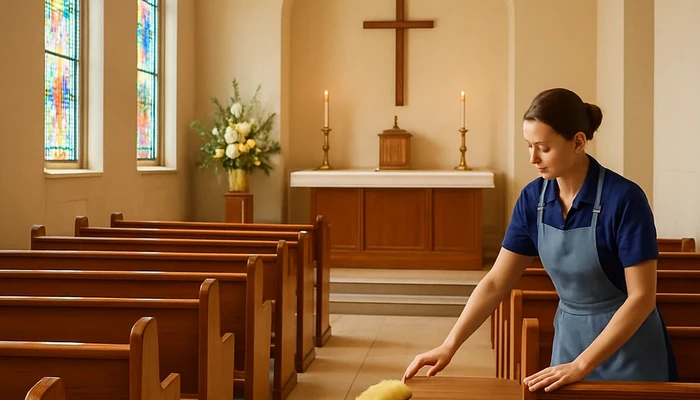
commercial cleaning service chicago, religious facility cleaning Facility Cleaning Chicago, worship hall cleaning Facility Cleaning Chicago, synagogue cleaning Lombard IL, sanctuary cleaning Naperville, temple cleaning Montgomery IL, church cleaning Park Ridge, worship space cleaning Palos Hills IL, church restroom cleaning Skokie IL, worship hall cleaning Barrington IL