Cleaning to Reduce Infections and Ensure Children’s Health: A Practical Guide
For parents, homeowners, educators, and managers in Chicago, the cleanliness of spaces where children spend time is more than a matter of appearances—it’s vital for health and development. Cleaning to reduce infections and ensure children’s health is a proactive approach that minimizes risks in environments like homes, apartments, Airbnb properties, schools, and offices. This detailed guide by CHICAGOLAND Cleaning Services provides evidence-based steps, hygiene best practices, professional checklists, and decision tools to help you create safer places for children to learn, play, and grow.
Understanding Infection Risks in Children’s Environments
Children are naturally more vulnerable to infections due to developing immune systems and frequent hand-to-mouth activity. High-touch surfaces, shared objects, bathrooms, and kitchens often harbor viruses and bacteria. Group settings such as daycares, classrooms, and family living rooms significantly increase exposure. Recognizing these risks lets you tailor cleaning strategies for maximal health benefit.
- Frequent hand contact surfaces: doorknobs, light switches, toys, and desks
- Shared items: tablets, art supplies, playground equipment
- Restrooms and kitchens: sinks, faucets, and counters
- High-traffic floors and carpets: tracked-in germs and dirt
How Professional Cleaning Interrupts Germ Transmission
Professional cleaning goes beyond everyday tidying. CHICAGOLAND Cleaning Services uses a systematized approach combining hospital-grade products, thorough protocols, and trained staff. The process targets not only visible dirt but also microbial hotspots, cutting infection chains at their source.
- Assessment: Evaluating space usage, high-risk zones, and needed frequency
- Surface disinfection: Right products for nonporous vs porous items
- Proper dwell times: Ensuring disinfectants have required contact
- Color-coded tools: Preventing cross-contamination (kitchens vs bathrooms)
- Staff training: Consistent use of PPE, hand hygiene, and quality checks
The Science of Cleaning for Health, Not Just Appearance
To lower infection risks, cleaning must remove both soil and germs. According to the OSHA bloodborne pathogens guidelines, surfaces contaminated with bodily fluids or respiratory droplets need specific cleaning and disinfection regimens. Effective cleaning involves both mechanical action (wiping, scrubbing) and chemical inactivation.
- Mechanical cleaning lifts and removes pathogens
- Disinfecting destroys or inactivates remaining microbes
- Routine schedules break the chain of transmission
Critical Zones: Where Extra Attention Prevents Illness
In environments with children, cross-contamination can happen quickly. Focus your efforts on:
- Entryways: Wipe down door handles and sanitize mats to stop outside contaminants
- Kitchens: Clean counters, sinks, appliance handles, and eating surfaces
- Restrooms: Disinfect sinks, faucets, toilets, and flush handles
- Common rooms: Sanitize toys, remotes, desks, and shared tech
- Sleeping areas: Launder bedding and wipe crib rails/guard rails
Cleaning Frequencies: What to Sanitize and When
Not all surfaces require the same cleaning cadence. See the comparison table below for recommended cleaning frequencies:
| Area / Item | Daily | Weekly | Monthly |
|---|---|---|---|
| Door handles, light switches | ✔️ | ||
| Toys & shared items | ✔️ | ||
| Counters & eating surfaces | ✔️ | ||
| Bathroom sinks, toilets | ✔️ | ||
| Floors (hard & carpets) | ✔️ | ||
| Windows & blinds | ✔️ | ||
| Air vents & filters | ✔️ | ||
| Mattresses, bedding | ✔️ |
This structured approach ensures that high-touch zones are sanitized frequently, while deeper cleanings address less obvious risk areas.
Children’s Health: Allergens, Asthma, and Sensitivities
Beyond infections, allergens (like dust, pollen, and pet dander) can exacerbate asthma and respiratory conditions among kids. Specialized equipment—including HEPA-filter vacuums and microfiber cloths—captures fine particles that traditional cleaning often misses.
- HEPA vacuums significantly reduce airborne irritants
- Microfiber safely traps dust without spreading it
- Non-toxic cleaning agents minimize skin/respiratory reactions
Routine professional cleaning helps homes and childcare facilities maintain air quality standards crucial for children with sensitivities.
Professional Cleaning vs. DIY: What’s the Difference for Infection Control?
While daily tidying is important, professional cleaning services bring expertise, protocols, and products designed for infection control. Here’s a quick comparison:
- DIY Cleaning: Often focuses on surface appearance; may use household products not rated for viruses/bacteria; inconsistent routines
- Professional Cleaning: Uses targeted disinfection, proven checklists, certified staff, and products vetted for child safety and efficacy
For families with young children or facilities servicing groups, outsourcing regular deep cleans to a trusted provider like CHICAGOLAND Cleaning Services provides greater peace of mind and measurable health benefits.
Key Cleaning Products and Equipment: What Works Best for Kids’ Areas?
Choosing the right products is integral to keeping children safe from both germs and chemical residues.
- Hospital-grade yet non-irritating disinfectants (EPA-registered)
- Fragrance-free solutions to avoid allergies
- Microfiber mops, cloths, and dusters
- Steam cleaning for soft surfaces; safe for most fabrics
- Color-coded cleaning tools
Professional cleaners understand appropriate dwell times, surface compatibilities, and how to minimize chemical exposure while ensuring hygienic results.
Telltale Signs Your Space Needs a Deeper Clean
Recognize when routine cleaning isn’t enough. Warning signs include:
- Increase in respiratory illness or absenteeism among children
- Musty, persistent odors, or visible mold/mildew
- Sticky or grimy surfaces in high-use rooms
- Visible dust on vents, baseboards, or behind furniture
- Bathroom/kitchen buildup that regular cleaning can’t remove
Developing a Responsive Cleaning Plan for Changing Needs
No two homes, schools, or offices are alike. Professional cleaners create dynamic plans, which should include:
- Assessment of age groups present: Babies/toddlers have higher touch rates
- Activity mapping: Where do children eat, play, and nap?
- Tracking illness trends: Temporary increases during cold/flu season
- Adapting frequency and protocols: For outbreaks or high-allergy times
If you manage facilities for kids, review cleaning needs whenever programs or usage patterns change.
The Role of Professional Training and Quality Assurance
Consistent infection prevention demands trained staff who follow standards and double-check their work. CHICAGOLAND Cleaning Services invests in:
- Staff certification and onboarding for safe product use
- Ongoing education on new pathogens and cleaning methods (scientific training resources)
- Audit checklists for critical areas
- Clear reporting and communication with clients
Partnering with professional cleaners ensures continual improvement and elevated hygiene standards.
Coordinating with Facility Managers, Parents, and Staff
True infection control is collaborative. Open communication leads to better routines:
- Discuss frequency and timing with building managers, teachers, or family members
- Post cleaning schedules for transparency
- Encourage reporting of spills, suspected illness, or restroom/kitchen supply needs
- Teach age-appropriate hygiene (handwashing, covering coughs)
Safety First: Reducing Chemical Exposure While Disinfecting
Cleaning should never sacrifice children’s safety. Key precautions include:
- Choosing low-residue, non-irritant products registered by the EPA
- Never mixing chemicals—serious health hazard
- Thorough rinsing of toys and eating surfaces after cleaning
- Secure storage for cleaning materials, out of children’s reach
What to Ask When Hiring a Professional Cleaning Service for Infection Prevention
When vetting cleaning providers, focus your questions on:
- What products and protocols do they use for children’s environments?
- Staff training and background checks
- How often do they perform routine versus deep cleaning?
- How do they handle communication and unique client requests?
- Do they follow relevant CDC, OSHA, and local health guidelines?
Decision Checklist for Selecting a Cleaning Partner
- References/testimonials from similar environments
- Evidence of insurance and compliance
- Demonstrated plans for outbreak scenarios
- Clear, itemized pricing
To request expert recurring or one-time cleaning for homes, offices, or special facilities, consider Office cleaning service or Daycare cleaning pros.
Tailoring Cleaning for Daycares, Schools, and Children’s Facilities
Environments hosting babies, toddlers, or young children require added precautions:
- Sanitizing play areas multiple times per day
- Extra attention to diaper changing stations and handwashing sinks
- Color-coded cleaning mop/cloth sets (reduce cross-use)
- Written logs signed by cleaning staff for accountability
For education centers, see more on School facility cleaning.
How to Involve Children in Healthy Cleaning Habits
Developing lifelong hygiene self-care starts young:
- Teach children to wash hands before eating and after using the restroom
- Encourage putting away dirty utensils and disposing trash
- Involve kids in simple daily chores like wiping down their own workspaces with safe products
- Model proper sneezing and coughing etiquette
When and How to Escalate: Infection Outbreaks in Community Spaces
If you observe a spike in illness (fever, cough, tummy bug), immediately:
- Notify all stakeholders (parents, teachers, facility managers)
- Close off affected areas for thorough cleaning/disinfection
- Increase cleaning frequency in high-touch/shared spaces
- Review and reinforce personal hygiene protocols
Document incidents and steps taken if required by local health regulations.
Facilities may wish to explore Medical office cleaning for specialized protocols.
Integrating Cleaning with Broader Health Initiatives
Combine professional cleaning with education for comprehensive infection prevention:
- Regular health workshops with staff and parents
- Post clear signage about hygiene best practices
- Participate in seasonal vaccination campaigns
- Review cleaning logs and illness reports together with management
Measuring Success: Tracking Health Outcomes in Clean Spaces
What does effective cleaning look like in outcomes? Real results can include:
- Reduced absenteeism from illness
- Fewer outbreaks of contagious conditions
- Improved air quality and allergy scores
- Positive feedback from parents and staff
Compare data before and after changes to the cleaning schedule or process. Transparent sharing builds trust with families using the space.
Frequently Asked Questions
- How often should shared toys and play equipment be cleaned?
In group settings, shared toys should be cleaned and disinfected daily. Immediately clean after visible contamination. - What is the safest disinfectant for children’s spaces?
Choose EPA-approved, fragrance-free products labeled as safe for use in child-occupied facilities. Rinse items that may go in the mouth. - How can we involve staff and children in infection prevention?
Establish daily routines, offer training sessions, and provide materials for hand hygiene and surface cleaning appropriate for each age group. - What’s the difference between cleaning and disinfecting?
Cleaning removes dirt and most germs, while disinfecting kills or inactivates the germs left behind. - When should we schedule professional deep cleaning?
At minimum, deep cleaning should occur every 3–6 months, or more often during outbreaks or seasonal illness spikes. - Are ‘green’ cleaning products effective against germs?
Some are, but always confirm with the manufacturer that the product is disinfectant-grade and safe for children’s settings. - Should carpets in children’s rooms be steam cleaned?
Yes—periodic steam cleaning removes deep contaminants allergy triggers, especially in nurseries or shared play areas. - Is ultraviolet (UV) cleaning safe for children?
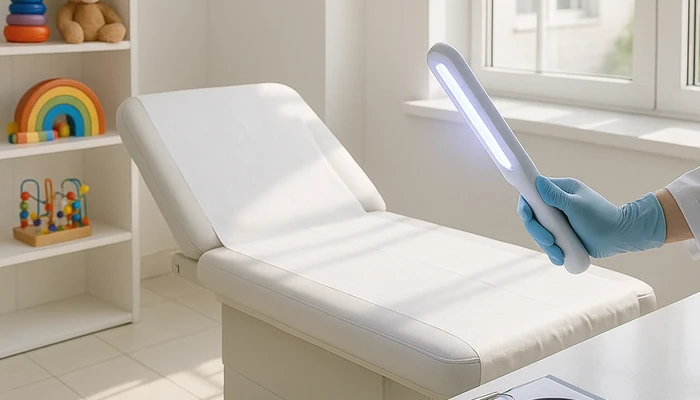
UV cleaning can be effective but must be performed by professionals when children are not present since direct exposure is unsafe. - What protocols should we follow during outbreaks?
Increase disinfection, focus on isolation of contaminated zones, and keep thorough communication and logs documenting all actions taken.
Summary and Next Steps
Proactive, detail-driven cleaning not only protects children from infections but also improves comfort, attendance, and overall well-being. By prioritizing evidence-based checklists, involving everyone who shares these environments, and partnering with professionally trained teams, you build safer, healthier spaces for children in every stage of development. For tailored infection prevention or deep cleaning, reach out to trusted experts who understand the unique needs of children’s spaces.
About CHICAGOLAND Cleaning Services
CHICAGOLAND Cleaning Services helps households and businesses in Chicago, Illinois and nearby areas keep their spaces clean and healthy. Specializing in recurring house cleaning, deep cleaning, move out cleaning, office cleaning, and facility cleaning, the company employs trained staff, quality checklists, and safe products that put families and children’s well-being first. For transparent pricing and a long-term cleaning partnership you can trust, CHICAGOLAND Cleaning Services is your reliable local choice.
commercial cleaning contractors in the city of chicago, patient room cleaning chicago, medical office sanitation chicago, medical building cleaning Wood Dale IL, medical office sanitation Wilmette IL, medical office cleaning Lockport IL, patient room cleaning Bartlett, waiting area cleaning Round Lake IL, medical office sanitation Des Plaines, medical office cleaning South Holland