
The “Scope of Work” That Prevents Cleaning Contract Disputes: Your Complete Framework
Are you concerned about misunderstandings, missed tasks, or disputes in cleaning contracts? Whether you manage an office, run an Airbnb, or want regular house cleaning, knowing exactly what to expect is crucial. This guide from CHICAGOLAND Cleaning Services will clarify what a “scope of work” is, why it matters, and how it can prevent headaches for both clients and cleaning pros. You’ll find practical examples, decision guides, and industry standards tailored for Chicago homes and businesses—all to help you confidently define and select the cleaning services you truly need.
What Is a “Scope of Work” in Cleaning Contracts?
The “scope of work” is the backbone of any professional cleaning agreement. It outlines all the specific areas, tasks, frequencies, and details included in the cleaning service. A clearly defined scope sets expectations for both clients and providers—from kitchens and restrooms, to specialized surfaces or high-touch areas.
- Details listed: Spaces (e.g., kitchens, restrooms), items (e.g., blinds, fixtures), frequency (weekly, biweekly, after events), procedures (dusting, sanitizing), and exclusions (like personal papers).
- Legal role: Reduces misunderstandings and offers a reference for resolving disagreements, billing, or service quality concerns.
Why Do Most Cleaning Contract Disputes Happen?
Disputes rarely emerge from a single missed trash bin—they usually stem from unclear, incomplete, or assumed expectations within the scope of work. Here are common triggers:
- Vague language or undefined terms (“general cleaning”)
- Failure to note excluded areas or items
- Assumptions about supplies, timing, or access procedures
- Lack of documented walkthroughs or mutual sign-off
Key Elements Every Cleaning Scope of Work Should Include
Preventing misunderstandings starts with a detailed, practical checklist. The more concrete your list, the fewer ambiguities arise.
- Room-by-room breakdown—what’s cleaned, how, and how often
- Special instructions for delicate items, sensitive data, or health standards
- Inclusions & exclusions: windows, appliances, trash, recycling, pet areas, supply closets, etc.
- Frequency & scheduling (e.g., daily, weekly, before/after events)
- Quality control—how results are measured or checked
- Communication protocol—who to contact about issues or access
Residential vs. Commercial Scopes: What’s Different?
| Aspect | Residential | Commercial |
|---|---|---|
| Spaces Covered | Bedrooms, bathrooms, kitchens, living areas | Offices, restrooms, break rooms, lobbies, specialty areas (gyms, clinics) |
| Standards | Visible cleanliness, comfort, family safety | Compliance, health codes, workplace safety, security |
| Documentation | Checklists, sign-off on each visit | Formal logs, site walkthroughs, audits |
| Frequency | Weekly, biweekly, monthly | Daily, multi-shift, event-based |
| Special Requests | Personal items handled with care | Access protocols, sensitive files, restricted areas |
How to Draft a Dispute-Proof Scope: Step-by-Step
- Conduct a walk-through—note unique requirements or delicate items
- Document spaces and tasks—list everything, even if “obvious”
- Select cleaning levels—standard, deep, move-out, post-renovation, etc.
- Specify frequencies—routine, seasonal, on-demand
- Clarify communication channels—point of contact, emergencies, schedule changes
- Joint review and sign-off—ensure mutual understanding with a documented checklist or digital proposal
Scope of Work Checklists: Examples for Clarity
Standard House Cleaning (Sample)
- Dust and wipe all surfaces
- Vacuum carpets and rugs
- Mop hard floors
- Sanitize kitchen counters and sinks
- Clean bathroom fixtures and mirrors
- Empty trash and recycling
- Spot-clean doors and light switches
- Optional: Laundry folding, dishes (if specified)
Office Cleaning (Sample)
- Dust desk surfaces, partitions, and electronics (if allowed)
- Sanitize phones, doorknobs, shared equipment
- Restroom cleaning and restocking supplies
- Lobby, waiting area, corridor cleaning
- Trash removal and recycling per building policy
- Periodic high-touch area disinfection (especially post-pandemic)
Critical “Gray Areas” That Cause Cleaning Contract Problems
- Window interiors/exteriors—usually an extra service
- Moving furniture—the definition of what “light” means
- Personal item handling—fragile or valuable possessions
- Pet cleanup—accidents, litter boxes, fur removal specifics
- Confidential material—who handles it, privacy boundaries
Tip: Use the essential cleaning compliance steps for sensitive workspaces.
Inclusions and Exclusions: How to Spell Them Out
A good scope of work states exactly what is (and is not) included. Consider listing specifics like:
- All areas (rooms, hallways, entryways, break rooms)
- Fixtures, surfaces, blinds, windowsills, glass
- Inside cabinets, microwaves, or refrigerators (only if requested)
- High-dusting or air vent cleaning schedule
- What will NOT be addressed: e.g., walls, hazardous waste, pest control
Documenting and Communicating the Scope
- Digital templates or checklists for each property
- Walkthrough sign-offs before first service and after major changes
- Update schedules—seasonal, after renovations, or staff changes
- Use email or designated apps so all changes are trackable
Addressing Special Situations: Move-Outs, Deep Cleans, and Events
Move-Out/In Cleaning
Often involves cleaning inside appliances and cabinets, blinds, walls, trims—clarify if you expect these included and document them in the scope.
Deep Cleaning
- Behind appliances
- Baseboards, vents, light fixtures
- Grout scrubbing, intensive bathroom or kitchen work
Events or High-Traffic Spaces
Define extra litter collection, restroom restocking, or spill response needs for venues, schools, or medical settings. Resources like the Event Safety Alliance offer relevant best practices.
Health, Safety, and Compliance Considerations for Scopes of Work
In regulated settings—like clinics, schools, gyms, or food service—your scope should reference local health codes or industry guidance (such as safety standards in perioperative cleaning from the AORN). For expert insights on facility-specific approaches, review cleaning strategies for high-traffic medical spaces and dental clinic cleaning protocols.
Decision Framework: Questions to Finalize a Solid Cleaning Scope
- Is every major space, item, and frequency listed?
- Does the scope name specialty areas or hazardous zones?
- Are quality checks or communication steps defined?
- Are exclusions detailed to avoid false assumptions?
- Were both parties involved in reviewing and agreeing on the written details?
Scope of Work in Action: Chicago Case Scenarios
Airbnb Host Example
An Airbnb renter in Chicago wants same-day turnovers. Their scope details guest supply restocking, lost item handling, sheet changes, and trash protocols. It includes pictures for check-off. Find family health-focused cleaning steps in our infection reduction guide for extra peace of mind.
Small Business Example
A dental office manager needs documentation for compliance. Their scope lists operatories, waiting rooms, regular disinfection, and supply log audits, cross-referenced with required health standards.
Common Pitfalls When Defining Your Scope of Work
- Using overly broad terms (“full kitchen cleaning”) instead of task lists
- Forgetting unique cleaning needs (post-event, pet areas, seasonal cleanups)
- Skipping a documented walk-through and relying on memory
- Not updating the scope after renovations, new staff/pet arrivals, or policy changes
Reviewing, Updating, and Managing Ongoing Cleaning Scopes
- Schedule biannual or quarterly reviews with your cleaning provider
- Log feedback, missed tasks, or new needs for each service period
- Share changes in property use, occupancy, or facility health guidelines quickly
Consistent communication is as important as the initial checklist.
Checklist: What to Confirm Before Signing Your Cleaning Contract
- Every space and item to be cleaned is documented
- All frequencies (daily, deep, special events) are agreed upon
- Supplies provided, responsible parties listed
- Exclusions and extra services defined
- Quality control methods described
- Communication and access details clear
- Final copy signed by both parties
FAQ: “Scope of Work” in Cleaning Contracts
- What is a “scope of work” in cleaning?
A detailed list of spaces, items, tasks, frequencies, and any exclusions included in a cleaning agreement. - Why do contract disputes often occur in cleaning services?
Disputes generally arise from undefined expectations or vague language in the contract’s scope. - How detailed should the cleaning scope be?
Every area, task, and condition that matters to you should be listed in detail, leaving no room for assumptions. - Who is responsible for supplies?
This varies; the contract should clearly state if the cleaning company or client will provide equipment and products. - How often should the scope be reviewed?
Regularly—at least twice a year, or after any change in property use or requirements. - What’s the best way to avoid “gray area” disputes?
Be as specific as possible in written scopes and use walkthroughs or photos for clarification. - Can the scope of work be updated?
Yes, and it should be whenever needs, regulations, or property conditions change. - Are checklists or digital tools recommended?
Yes, both are helpful for mutual clarity and to log completed work or issues. - How do I address health or safety standards in my scope?
Mention any local code, industry guidelines, or specific requirements; review with a professional cleaning partner. - What if my cleaning needs are complex or specialized?
Discuss with providers up front—complex facilities benefit from even more detailed, tailored scopes and walk-throughs.
Wrapping Up: How a Strong Scope of Work Builds Confidence
Defining a cleaning contract with a detailed scope of work puts everyone on the same page and protects both parties from costly misunderstandings. Reviewing and updating your agreement regularly—especially as your needs or regulations evolve—ensures lasting satisfaction and hygiene standards. If you’re in need of Office cleaning service or scheduled Restaurant cleaning, connect with trusted teams who welcome clear scopes and value transparency.
About CHICAGOLAND Cleaning Services
CHICAGOLAND Cleaning Services helps households and businesses in Chicago, Illinois and nearby areas keep their spaces clean and healthy. Our team specializes in recurring house cleaning, deep cleaning, move out cleaning, office cleaning, and facility cleaning. With a trained staff, consistent service checklists, flexible scheduling, and a focus on hygiene and long-term client relationships, we ensure your cleaning expectations are met every time. For clear communication and dependable results, you can trust CHICAGOLAND Cleaning Services to deliver professional cleaning solutions tailored to your needs.
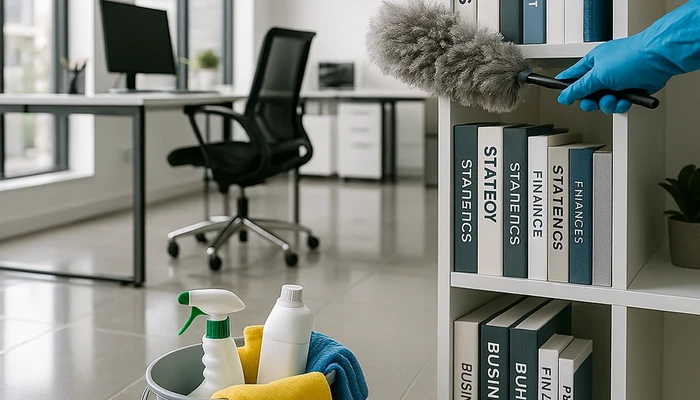
commercial chicago cleaning services, office workstations cleaning chicago, open office cleaning chicago, Bartlett office cleaning, office restroom cleaning Round Lake, conference room cleaning Wicker Park, office breakroom cleaning Vernon Hills, desk office disinfection Brookfield IL, open office cleaning Skokie, office cleaning Monee