Essential Cleaning Protocols For A Safe And Hygienic Environment
Maintaining a safe and hygienic environment has never been more critical—whether you’re caring for your family at home or protecting staff and clients in your business. By understanding essential cleaning protocols, you build more than routine tidiness: you create a strategy to reduce health risks and create confidence in every room. In this comprehensive guide, you’ll uncover the frameworks, step-by-step checklists, and decision tools that leading professionals like CHICAGOLAND Cleaning Services use to deliver consistently clean and hygienic spaces. You’ll gain clarity on different types of cleaning, science-based best practices, and how to select the right approach for your unique environment—all centered on the latest recommendations and real-world experience in Chicago and beyond.
Defining a Safe and Hygienic Environment: Standards and Core Principles
The term “safe and hygienic” extends beyond surface appearance—it embraces the systematic reduction of germs, allergens, and contaminants. Professional cleaning protocols start by aligning with established standards from authoritative bodies. Here’s what defines an effective protocol:
- High-Touch Attention: Prioritizing areas like doorknobs, switches, counters, and restroom fixtures where cross-contamination is most likely.
- Systematic Coverage: Using organized checklists and routines to ensure every space is addressed uniformly.
- Appropriate Product Use: Selecting EPA-registered and surface-safe cleaning agents suitable for each environment.
- Frequency Frameworks: Making cleaning an ongoing process with daily, weekly, and periodic tasks structured by risk level and usage.
- Continuous Training: Keeping staff up-to-date with emerging guidelines and procedural improvements.
Professional versus DIY: What Truly Sets Expert Cleaning Protocols Apart?
While daily tidying is part of any healthy space, professional cleaning services employ specialized protocols that far surpass DIY methods. Key differentiators include:
- Strict adherence to infection prevention guidelines.
- Use of commercial-grade equipment and products.
- Trained staff implementing consistent and repeatable checklists.
- Documented routines for accountability and long-term results.
- Tailored solutions for unique facility or household requirements.
Comparison: Professional Protocols vs. Typical DIY Cleaning
| Feature | Professional Protocols | Typical DIY |
|---|---|---|
| Checklist Coverage | Comprehensive, by area and surface | Spot-based or as needed |
| Frequency | Scheduled, with periodic deep cleans | Irregular, dependent on availability |
| Product Selection | Professional-grade; surface-appropriate | Common household products |
| Training & Compliance | Staff, ongoing certification | None or informal |
| Documentation | Logged and tracked | Rarely documented |
Critical Steps in Essential Cleaning Protocols: Area-by-Area Breakdown
Every environment presents unique challenges. The following breakdown highlights the non-negotiable steps that should be adapted for residential homes, apartments, offices, and specialized facilities:
Checklists for High-Traffic and Sensitive Areas
- Kitchens/Pantries: Wipe and disinfect all surfaces; clean appliances; empty trash; mop floors.
- Bathrooms: Scrub and disinfect sinks, toilets, and tubs; wipe mirrors; sanitize handles; replenish soaps/paper.
- Living/Common Areas: Dust furniture and shelves; vacuum or mop floors; disinfect remotes and electronics.
- Entryways: Clean door handles, railings, and sanitize mats; sweep and disinfect floors.
Integrated Protocols for Specialized Spaces
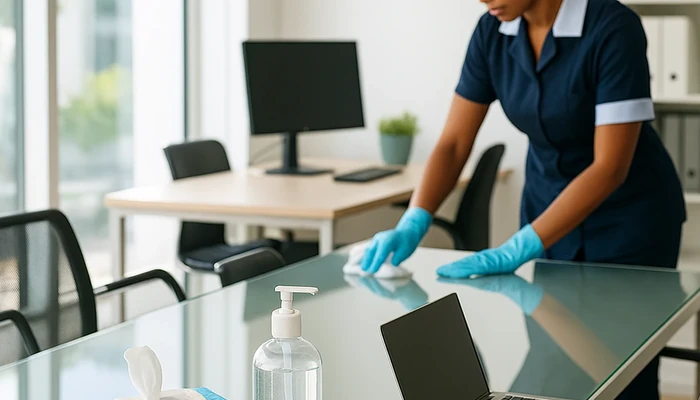
- Offices: Disinfect shared desks, keyboards, phones; empty bins; focus on communal kitchenettes.
- Airbnb/Short-Term Rentals: Turnover cleaning including linens change, bathroom reset, and allergen removal.
- Medical or Educational Facilities: Adhere to heightened frequency and use validated antimicrobial agents (see ambulatory setting protocols).
For further details on specialized protocols, visit our resource about steps to comply with health standards.
Step-By-Step: Building a Customized Cleaning Protocol for Your Space
Your cleaning plan should be tailored, not templated. Use this framework to design an effective cleaning protocol for any environment:
- Assess Risk and Usage: Identify high-touch and high-traffic zones.
- Determine Frequency: Set daily, weekly, and deep-clean schedules for each area.
- Select Suitable Products: Ensure compatibility with surfaces and address specific pathogens.
- Assign Responsibility: Designate accountable staff or users.
- Document and Revise: Keep records; adjust protocols based on results, feedback, and evolving standards.
Frequency Matters: When and How Often Should Spaces Be Cleaned?
The frequency of cleaning tasks is directly linked to the usage level and the type of space:
- Daily: Bathrooms, kitchens, shared surfaces, entryways.
- Weekly: Floors, dusting, deep surface disinfection.
- Monthly/Quarterly: Ventilation filters, windows, behind furniture appliances.
The protocols for high-traffic medical offices illustrate how frequency can protect vulnerable populations.
Science-Backed Product Selection: What Should You Use and Why?
Choosing the wrong product can undermine even flawless routines. Guidelines include:
- Use only EPA-approved disinfectants for specific pathogens (e.g., bacteria, viruses, fungi).
- Select products based on surface type—avoid damage to delicate finishes.
- Follow manufacturer instructions for both dwell time and dilution.
References from organizations like APIC (infection prevention learning hub) reinforce product efficacy for critical environments.
Key Differences: Residential, Commercial, and Specialized Facility Cleaning Protocols
- Residential: Focuses on allergen reduction, family health, pet safety, comfort.
- Commercial/Office: Prioritizes communal hygiene, productivity, compliance with workplace regulations.
- Specialized: Clinics, child care, and education require elevated disinfection and documentation standards.
For cleaning child-centered spaces, see this hub on infection reduction and child health.
The Role of Staff Training and Certification in Protocol Excellence
An essential element of hygiene and safety is continuous staff training. Leading companies establish onboarding and annual re-training standards covering:
- Proper product handling and labeling.
- Latest health and safety compliance.
- Emergency response procedures (e.g., chemical spills).
- New technology, tools, and methodology updates.
Robust training mitigates risk and supports long-term client trust. More about facility-specific cleaning practices can be found in guidance for dental clinic cleanliness.
Safety Protocols: Protecting Occupants, Teams, and Guests
Cleaning isn’t just about aesthetics—it’s also about minimizing potential hazards. Effective safety protocols involve:
- Personal protective equipment (PPE) for cleaning staff.
- Proper ventilation and safe chemical storage.
- Barrier closure during disinfection and drying phases.
- Clear signage for wet floors and restricted areas.
Common Gaps and Overlooked Areas in Cleaning Protocols
Even thorough routines can miss these critical points:
- Behind and under furniture and fixtures.
- Ventilation grilles, light switches, high ledges.
- Shared technology (touch screens, copy machines, elevator panels).
- Reusable cleaning equipment (properly disinfect after each use).
Evaluating and Auditing Your Cleaning Protocols
Ongoing evaluation is vital for sustained results. Suggested approach:
- Periodic spot checks and surface testing (e.g., fluorescent markers, ATP swabs for high-touch validation).
- Anonymous feedback forms for occupants.
- Review of documented checklists and incident logs.
Selecting a Cleaning Company: Critical Questions to Ask
When vetting a professional cleaning provider, inquire about:
- Staff training and background checks.
- Protocols for infectious diseases and respiratory concerns.
- Flexibility for scheduling and emergency response.
- Transparent pricing and included services by room/frequency.
- Referenceable experience in similar environments.
For specific facility needs like medical offices, you can also compare their approach to trusted industry protocols for ambulatory cleaning.
Checklist: Implementing and Verifying Essential Cleaning Protocols
- Obtain or build a standardized cleaning checklist for every area.
- Post checklists and schedules in visible locations.
- Document each cleaning session and supervisor review.
- Immediately address feedback to evolve procedures.
- Schedule periodic protocol reviews at least quarterly.
Aligning Protocols with Health and Safety Regulations
Ensure your protocols comply with all applicable local, state, and federal requirements for safe environments. Check:
- Labeling and log requirements for chemicals.
- Staff knowledge of health authority guidelines.
- Alignment with insurance coverage stipulations.
Our comprehensive guide on compliance with health standards offers more deep-dive strategies.
Case Examples: Adapting Protocols for Different Environments
- Family Home: Increased frequency during cold/flu season, switch to hypoallergenic products with pets or babies.
- Small Business Office: High-touch cleaning at shift changes, posted hygiene reminders, after-hours deep cleaning weekly.
- Childcare Facility: Rigorous toy surface disinfection, strict sick-child policies, cleaning logs signed daily.
- Dental Clinic: Enhanced disinfection between patients, equipment sterilization, frequent ventilation cleaning.
FAQ: Essential Cleaning Protocols For A Safe And Hygienic Environment
- What is the most important component of essential cleaning protocols?
- A systematic checklist that ensures all high-touch and high-risk areas are cleaned and disinfected at proper intervals.
- How often should I review and update my cleaning protocols?
- At least quarterly, or whenever new health guidelines emerge or your space usage changes.
- Do professional cleaning protocols differ for homes and offices?
- Yes—offices and public spaces demand more frequent and documented disinfection, while homes prioritize allergen reduction and safety for children/pets.
- Which products are best for disinfection?
- EPA-registered disinfectants suited to your facility and appropriate for the surfaces being cleaned.
- How can I confirm my cleaning company follows proper protocols?
- Ask for documentation of their checklists, staff training records, and procedures for compliance and emergency response.
- Are green or eco-friendly products effective for essential cleaning?
- Many eco-friendly products meet regulatory standards; verify that they are registered and proven for the pathogens/areas in question.
- Who sets the standards for cleaning protocols?
- Regulatory agencies (OSHA, EPA, CDC) and industry groups such as APIC provide baseline standards, but each environment should tailor their protocols for unique risks.
- How do you ensure cleaning safety for staff?
- By providing PPE, product training, ongoing supervision, and emergency procedures to manage risks effectively.
Summary and Next Steps
Essential cleaning protocols create the foundation for a truly safe and hygienic environment—at home, work, or in specialized facilities. By focusing on targeted routines, evidence-based products, and staff training, residents and businesses in Chicago and beyond can build trust and prevent health risks. Assess your current protocols, compare them to the steps outlined above, and don’t hesitate to consult an expert for tailored solutions suited to your exact needs.
If you’re seeking a hassle-free solution for recurring, deep, or specialized cleaning projects in the Chicago area, consider CHICAGOLAND Cleaning Services for reliable, checklist-driven results. For dedicated facility needs, you can book office cleaning service or schedule restaurant cleaning with our experienced team.
About CHICAGOLAND Cleaning Services
CHICAGOLAND Cleaning Services helps households and businesses in Chicago, Illinois and nearby areas keep their spaces clean and healthy. Our team specializes in recurring house cleaning, deep cleaning, move out cleaning, office cleaning, and facility cleaning—adhering to strict safety, product, and training protocols every step of the way. We believe in consistent checklists, clear communication, and building long-term client relationships built on trust, quality, and transparent service.
commercial cleaning contractors in the city of chicago, office cleaning chicago, desk office disinfection chicago, office workstations cleaning Highland Park, office workstations cleaning Ukrainian Village IL, office cleaning Markham, office workstations cleaning Bucktown IL, office breakroom cleaning Monee IL, office cleaning Naperville IL, desk office disinfection Lincolnwood