Targeted Cleaning Strategies for High-Traffic Areas in Medical Offices
Maintaining a spotless, safe environment is paramount in any medical setting, but nowhere is meticulous cleaning more critical than in high-traffic areas of medical offices. Whether you manage a bustling clinic in Chicago, oversee multiple physician practices, or are tasked with ensuring your medical space meets health and safety standards, this guide will provide a step-by-step, actionable framework. You’ll learn evidence-backed cleaning protocols, specific to high-traffic medical zones. From entryways to waiting rooms and restrooms, discover what sets medical office cleaning apart, how to evaluate your needs, and how professional teams like CHICAGOLAND Cleaning Services ensure patient and staff well-being. Let’s set a new standard for cleaning for high-traffic areas in medical offices.
Mapping High-Traffic Hotspots in Medical Offices
Understanding which areas are most prone to pathogens, soil, and daily wear is the first step. Each medical office differs, but these spots see the greatest volume:
- Patient and visitor entrances (lobbies or vestibules)
- Reception desks, check-in kiosks, and waiting room surfaces
- Corridors connecting clinical, administrative, and public spaces
- Restrooms and handwashing stations
- Elevator buttons, stair rails, and door handles
- Exam room entry/exit points
- Clinical staff break rooms (if shared with public areas)
Traffic flow mapping can help identify less-obvious contamination hotspots. Track footpaths and touchpoints throughout the day and week for a comprehensive sanitation plan.
Assessing Contamination Risks Unique to Medical Environments
Unlike commercial or office environments, medical spaces must address not just dirt and debris, but also the potential for infectious disease transmission. Key risk factors include:
- Bodily fluid exposure near triage or walk-in zones
- Frequent surface touching (countertops, pens, clipboards)
- Respiratory droplets in waiting rooms, especially during cold/flu seasons
- Cross-contamination between “well” and “sick” patients
- Wheelchair and equipment traffic bringing in outside soil
Regular risk assessment ensures cleaning protocols stay aligned with evolving safety needs. More on this process is detailed in infection prevention guidelines from APIC.
The Science Behind Surface Disinfection in Healthcare
Effective disinfection doesn’t simply mean making things look clean. Protocols must neutralize a variety of microorganisms: bacteria, viruses (including seasonal flu and COVID-19), and fungi. Key principles include:
- Use of EPA-registered healthcare-grade disinfectants
- Adhering strictly to manufacturer dwell/contact times
- Wiping from “clean to dirty” to avoid spreading contaminants
- Frequent replacement of cleaning cloths, mop heads, and gloves
The CDC’s recommendations for healthcare cleaning best practices provide the foundation for any medical office protocol.
Entryways and Lobbies: First Line of Defense
The entrance sets the tone for patient safety and reassurance. An effective cleaning regimen includes:
- Sanitizing door handles, push plates, and check-in touchscreens multiple times daily
- Vacuuming and spot-mopping floors, focusing on shoe traffic zones
- Cleaning glass doors and partitions to a streak-free finish
- Disinfecting waiting area armrests, tabletops, and magazine racks
- Emptying and disinfecting wastebaskets frequently
Visual cleanliness matters—patients equate visible order with hygienic practices. Floor mats and automated hand sanitizer stations further reduce contamination.
Waiting Rooms: Tackling High-Touch Risks
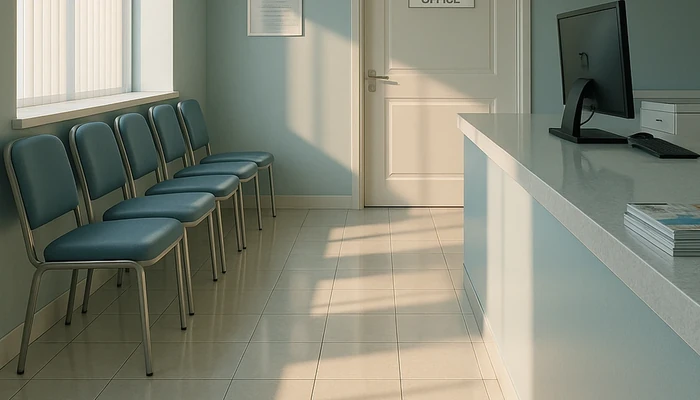
With dozens or more patients passing through daily, waiting rooms can quickly become germ reservoirs. Meticulous cleaning focuses on:
- Chairs—especially armrests, backs, and sides
- Children’s play tables, toys, or digital kiosks
- Reading materials (if used)—consider removal or single-use
- Water dispensers and shared amenities
Set a frequent cleaning interval for these items, and rotate deep cleaning (furniture shampoo, steam cleaning) at least weekly. Unique challenges for pediatric offices are discussed in this detailed guide on children’s health and infection reduction.
Restrooms: Focus on Infection Control
Medical office restrooms require more than surface cleaning. Best practices include:
- Disinfecting door handles, stall locks, faucet levers, and soap dispensers
- Cleaning sink basins, toilets, and urinals with separate, designated tools
- Restocking paper supplies and ensuring safe disposal of sanitary items
- Addressing air vents and touchpoints such as diaper changing stations
Daytime spot sanitation (every 1–2 hours during peak clinic hours) greatly reduces the risk of transmission. Training staff on proper protocols is vital: see this practical guide to health standards compliance.
Corridors, Elevators, and Shared Transit Points
Transitional spaces transport more than people—they move contaminants between zones. Core tasks include:
- Cleaning and disinfecting elevator buttons and rails several times daily
- Wiping down handrails and chair rails on stairways and hallways
- Polishing door glass, signage, and wall-mounted devices
- Removing debris and thoroughly vacuuming or mopping floors
Zone-based cleaning teams can ensure no area is neglected during busy cycles.
Reception Areas and Administrative Desks
Front-desk staff interact with every patient, making shared surfaces potential transmission points. Effective cleaning includes:
- Disinfecting countertops, keyboards, phones, and writing utensils
- Sanitizing check-in touchpads, pens, and clipboards between uses
- Cleaning partitions and transaction windows
- Rotating supplies to allow proper disinfection between uses
Consider implementing a “clean pen/used pen” system or encouraging digital check-in to further reduce high-touch risks.
Break Rooms, Staff-Only High-Traffic Zones, and Clinical Adjacencies
Medical staff areas—especially those near public or clinical spaces—deserve targeted attention:
- Disinfecting refrigerator, microwave, and appliance handles frequently
- Sanitizing tables, seating, and light switches
- Implementing “clean zones” for scrubs, coats, or personal gear
- Encouraging staff to follow hand hygiene protocols when entering/exiting
Integrate these efforts into daily and weekly cleaning routines, as even “backstage” areas impact overall hygiene.
Structuring Tasks: Daily vs. Weekly vs. Incident-Based Cleaning
High-traffic area cleaning routines must balance real-world demands with absolute safety. Use this structured table to clarify task frequency:
| Area | Daily Tasks | Weekly Tasks | Incident-Based |
|---|---|---|---|
| Entrances & Lobbies | Wipe handles, floors, touchscreens | Detail window cleaning | Mud, spill, or exposure events |
| Waiting Rooms | Sanitize chairs, tables, toys | Deep shampoo upholstery | Body fluid cleanup |
| Restrooms | Disinfect all touchpoints, refill supplies | High-level vent/floor care | Biohazard event |
| Corridors & Elevators | Clean rails, buttons, floors | Polish fixtures | Visible soil |
| Reception/Admin | Wipe desk equipment between users | Organize supply cabinets | Potential sick contact |
Customize frequencies as patient volume and traffic patterns shift over time.
Disinfectant Selection and Safe Chemical Use in Healthcare
Medical offices must choose EPA-registered disinfectants verified to neutralize hepatitis, influenza, MRSA, and more. Other considerations:
- Check compatibility with flooring, furniture, and electronics
- Review CDC guidance on safe cleanser use
- Label and segregate chemicals away from patient/public spaces
- Avoid strong scents or residues, especially in allergy-sensitive populations
Always follow manufacturer instructions, especially for dwell/contact time to achieve full disinfection.
Implementing Color-Coding and Zoning for Cross-Contamination Prevention
Leading medical cleaning practices assign distinct colors or kits for each zone—for example:
- Red: Restrooms and biohazard zones
- Blue: General public/high-traffic zones
- Green: Clinical or “clean” treatment rooms
- Yellow: Administrative/non-clinical staff areas
This prevents accidental transfer of pathogens and ensures systematic compliance. Staff training is essential for correct implementation.
Preparing for Outbreaks and Surge Scenarios
During community outbreaks (flu, COVID-19, norovirus), increase cleaning efforts:
- Double or triple high-touch cleaning frequencies
- Stock extra hand sanitizers and disinfectant wipes at entrances
- Post visible cleaning logs to reassure patients and meet compliance
- Partner with professional cleaning firms who have surge response plans
Communication matters: keep staff informed, and adapt protocols as guidance from AHCA or CDC evolves.
Checklist: Daily Cleaning Protocol for Medical Office High-Traffic Areas
- Disinfect all door handles and shared touchpoints every 2–3 hours
- Wipe waiting room chairs, armrests, and tables after each patient group
- Spot-mop entryways and hall floors to remove tracked-in dirt
- Clean and restock all restrooms, verify soap and hand towel supplies
- Disinfect reception counters, check-in pads, and phones throughout shift
- Ventilate spaces between peak periods to reduce aerosol risk
- Empty trash and replace liners during and at end of business hours
Proper documentation of completed tasks supports regulatory compliance and occupational safety.
Quality Control: Auditing and Continuous Improvement
Consistent, measurable cleaning results demand strong quality systems. Key practices include:
- Using detailed cleaning checklists with sign-off requirements
- Scheduling unannounced audits in high-traffic zones
- Surveying staff and patient satisfaction about perceived cleanliness
- Updating protocols based on infection control team input
Professional cleaning partners like CHICAGOLAND Cleaning Services integrate inspection and feedback as part of service agreements.
Staff Education: Empowering Employees in Infection Prevention
Everyone in a medical office plays a role in hygiene. Ongoing staff education should cover:
- Proper handwashing and glove protocols
- Differentiating cleaning vs. disinfecting tasks
- Recognizing when extra cleaning is required (spills, visible soil, reported illness)
- Safe and compliant disposal of waste
Teamwork between clinical, administrative, and cleaning staff builds a culture of safety. Review training resources for ongoing improvement, such as the APIC education portal.
Comparing DIY vs. Professional Medical Cleaning Approaches
- In-house teams: Familiarity with office routines, immediate response; may struggle with advanced disinfection or surge cleaning.
- Professional firms: Consistent checklists, advanced gear, up-to-date infection control knowledge, compliance auditing.
Consider outsourcing for greater consistency, regulatory compliance, and peace of mind—especially during outbreaks or when volumes increase. For a tailored approach, request a medical office cleaning solution.
Customizing Cleaning Protocols for Specialized Healthcare Facilities
Dental, pediatric, or lab-centric offices may have unique contamination hotspots and protocols. For example:
- Dental clinics: Extra care with aerosol-prone zones and chair-side touchpoints (see dental-specific cleaning guidance)
- Pediatric offices: Toy and play area sanitation; child-safe product use
- Clinics with immunocompromised patients: Increased focus on airborne and contact disinfection
Always match cleaning methods to your facility’s patient population, traffic, and specialty equipment.
Coordinating with Tenants, Landlords, and Property Managers
For leased or multi-practice medical offices, coordination is essential. Considerations include:
- Clear delineation of who is responsible for which zones
- Consistent communication on after-hours or emergency cleaning
- Agreed protocols for shared amenities (lobbies, elevators, public restrooms)
- Periodic meetings to review protocols and logs
Proactive discussions reduce ambiguity and ensure safety for every visitor and staff member.
FAQ: High-Traffic Medical Office Cleaning
- How often should high-traffic areas in medical offices be cleaned?
- Key touchpoints (door handles, check-in stations, waiting areas) should be disinfected every 2–3 hours during business hours, with deeper cleaning daily. Frequency can increase in times of higher patient volumes or during infectious outbreaks.
- What is the best disinfectant for medical offices?
- Use only EPA-registered, healthcare-grade disinfectants with proven efficacy against viruses, bacteria, and fungi. Always follow contact time recommendations.
- Can “green” or fragrance-free products be used?
- Yes, but only if they are registered for healthcare use and effective against healthcare-associated pathogens. Some “green” cleaners may not meet disinfection requirements—always check labels and consult guidance.
- How do you prevent cross-contamination between clean and dirty zones?
- Implement color-coded tools, assign dedicated supplies to each area, and train staff to avoid moving supplies between zones. Frequent hand hygiene is also essential.
- How should medical office cleaning be documented for compliance?
- Maintain daily and weekly cleaning logs with sign-offs. Logs provide accountability and help meet local, state, or accreditation standards.
- What is the difference between cleaning, sanitizing, and disinfecting?
- Cleaning removes visible soil and debris; sanitizing reduces microbe levels to safe limits; disinfecting eliminates most harmful pathogens. Medical offices must disinfect high-traffic surfaces regularly.
- What should be done when a patient is diagnosed with a contagious illness?
- Trigger incident-based cleaning: immediately disinfect all surfaces the patient contacted, use PPE, and consider upgrading cleaning routines in waiting and exam areas.
- How do you adjust protocols for immunocompromised patients?
- Increase both frequency and thoroughness of surface and air cleaning. Consult with infection control specialists for customized protocols.
- Can medical office staff perform all cleaning duties, or should professionals be hired?
- Basic spot-cleaning can be performed in-house, but professionals offer advanced infection prevention protocols, specialized equipment, and quality control not typically feasible with staff alone.
- Where can I find official healthcare cleaning recommendations?
- The APIC resource portal and CDC healthcare guides are authoritative sources for current standards.
Conclusion: Elevating Cleanliness Standards in Your Medical Office
Superior hygiene in high-traffic areas isn’t just a regulatory box to check—it’s a core element of patient-centered care. By mapping risks, following proven protocols, and committing to staff education and quality audits, you safeguard every person who walks through your doors. For medical offices across Chicago seeking reliable, professional expertise, book a specialized cleaning service to ensure compliance and peace of mind. Looking to further standardize health and safety? Explore office cleaning solutions uniquely designed for healthcare environments.
About CHICAGOLAND Cleaning Services
CHICAGOLAND Cleaning Services helps households and businesses in Chicago, Illinois and nearby areas keep their spaces clean and healthy. Our expertise spans residential and commercial cleaning, including recurring house cleaning, deep cleaning, specialty move out cleaning, office and facility solutions. All staff follow rigorous checklists, use hospital-grade products, and apply high-touch sanitation for peace of mind. We pride ourselves on transparent pricing, professional communication, and long-term client care. Whether you operate a medical facility or a business office, trust CHICAGOLAND Cleaning Services for consistent quality and reliable service aligned with today’s safety standards.
cleaning commercial service chicago, healthcare facility cleaning chicago, doctor office cleaning chicago, medical office disinfection Algonquin, medical building cleaning Hanover Park, medical office disinfection Oak Park, doctor office cleaning Vernon Hills IL, doctor office cleaning Hyde Park IL, clinic cleaning Alsip IL, exam room cleaning Monee