Essential Steps To Comply With Health Standards: A Comprehensive Cleaning Framework
Complying with health standards in any living or working space is not optional—it’s a fundamental responsibility. Whether you manage a busy office, run an Airbnb, or simply want a hygienic home in Chicago, understanding the essential steps to comply with health standards is the foundation for safety and peace of mind. In this guide, you’ll learn exactly what “compliance” means, what protocols matter, how top cleaning professionals like CHICAGOLAND Cleaning Services operate, and the actionable checklists and frameworks you can use to achieve—and maintain—a spotless, healthy environment.
The Landscape of Health Standards in Cleaning: Regulations and Realities
When talking about health standards, we refer to an interconnected set of regulations, industry guidelines, and practical strategies. These standards exist to protect occupants from invisible hazards such as bacteria, viruses, mold, allergens, and chemical residues. In residences and commercial spaces alike, a compliance mindset is vital—not only for visible cleanliness but for actual health protection.
The Role of Federal and Local Regulations
- OSHA (Occupational Safety and Health Administration) – sets standards for workplace safety, including cleaning agents and personal protective equipment (PPE).
- CDC Guidelines (Centers for Disease Control and Prevention) – especially relevant for cleaning during outbreaks or pandemics.
- Local Chicago ordinances – health departments require strict protocols in food service, childcare, and hospitality facilities.
Why Compliance Is a Must
- Protects health: Reduces illness transmission and allergy triggers.
- Legal requirement: Non-compliance can result in fines or closure (applies especially to commercial/regulated spaces).
- Trust and reputation: Critical for businesses, property managers, and Airbnb hosts.
Framework: Five Core Pillars of Health Standards Compliance
Effective compliance comes from a structured approach. Leading cleaning companies like CHICAGOLAND Cleaning Services build their protocols around these five pillars:
- Assessment: Analyze risks, surface types, usage patterns, and occupancy in the environment.
- Protocols: Implement evidence-based cleaning, disinfection, and PPE methods tailored by area and client need.
- Training: Staff must be educated on current products, methods, and safety best practices.
- Documentation: Keep clear, up-to-date checklists and incident logs, especially for regulated businesses.
- Continuous Monitoring: Routinely inspect and adapt based on new regulations, health events, or client feedback.
Step 1: Risk Assessment—Identifying Hazards and Priorities
Before any cleaning plan is set in motion, a risk assessment is crucial. This proactive review distinguishes between standard maintenance and areas requiring specialized attention.
- Identify high-touch points—door handles, light switches, shared electronics.
- List vulnerable zones—kitchens, bathrooms, break rooms, child play areas.
- Check current health risks—sick occupants, recent outbreaks (flu, COVID-19), presence of allergens.
Assessment Checklist
- Are there immune-compromised users or children?
- Are there regulations specific to your property type (medical, daycare, food service)?
- What is the frequency of use and traffic?
Step 2: Protocol Selection—Choosing the Right Cleaning and Disinfection Methods
It’s not enough to “clean until it looks clean.” True compliance demands aligning your cleaning technique and products with your space’s actual risks. This table provides a snapshot comparison of essential cleaning protocols by area type:
| Area Type | Cleaning Frequency | Required Protocols |
|---|---|---|
| Kitchen / Food Prep | Daily + after use | Degreasing, food-safe disinfectant, mop floors |
| Bathroom | Daily | Descale fixtures, disinfect touch points, restock supplies |
| High Traffic (Entry, Hall) | Daily / Before opening | Vacuum/mop floors, wipe handles, check for slip hazards |
| Office / Desks | Daily + shift change | Dust, disinfect electronics and telephones |
| Bedrooms / Living Areas | Weekly | Vacuum, dust, spot clean spills, disinfect remotes |
Disinfection versus Cleaning: What’s the Difference?
- Cleaning removes dirt and impurities but does not necessarily kill germs.
- Disinfection uses EPA-approved chemicals to destroy pathogens on surfaces.
For regulated spaces, always reference authoritative sources such as the APIC Infection Preventionist Competency Model for the latest standards in infection prevention.
Step 3: Product and Equipment Selection—Science-Backed Choices
Selecting products is not just about brand trust—it’s about compliance and safety. Professional cleaning teams only use agents and equipment verified by reputable standards.
- EPA-registered disinfectants for bathrooms and food-contact surfaces
- Non-scratch microfiber cloths to minimize cross-contamination
- Vacuum cleaners with HEPA filters for allergen and fine particle removal
- Color-coded mop and cloth systems to prevent germ transfer between spaces
Chemical Safety and Storage
- All substances labeled and safely stored out of children’s reach
- Material Safety Data Sheets (MSDS) accessible on-site
- Staff trained on spill protocols and what to do in case of accidental exposure
Step 4: Developing and Adhering to Area-Specific Cleaning Checklists
Every area demands its own checklist to prevent missed steps. CHICAGOLAND Cleaning Services uses detailed, customized checklists for each service call.
Example: Kitchen Compliance Checklist
- Clear counters and appliances
- Wash and disinfect sink
- Sanitize fridge handle and light switches
- Wipe cabinet exteriors
- Empty and disinfect trash bin
Example: Office High-Touch Points Checklist
- Desks, keyboards, phones, chair arms
- Filing cabinet and drawer handles
- Break room and communal appliances
- Waiting area furniture
Step 5: Staff Training and Competency Verification
Staff are the critical link between policy and real-world compliance. All personnel should receive initial and ongoing education on health standards:
- Proper dilution of cleaning chemicals
- Correct sequence for cleaning vs. disinfecting
- Recognizing areas that require extra attention during outbreaks
- Safe use of PPE—gloves, masks, goggles when needed
Robust companies refer to proven frameworks such as those outlined by infection prevention experts at APIC.
Step 6: Documentation and Record-Keeping—Why Paperwork Matters
Documentation is more than bureaucratic overhead. It shows compliance in the event of inspection and facilitates continuous improvement. Best practices include:
- Completed checklists for each service and area
- Incident reports for any accidents or near misses
- Staff sign-off and supervisor review logs
- Regular updating of written protocols to reflect new research
Step 7: Continuous Monitoring and Adaptation to Change
Health compliance is not static—regulations and pathogens evolve. Leading cleaning campaigns apply the latest research and adapt to guidance from authorities like the World Health Organization.
Staying Up-to-Date
- Monitor updates from WHO and CDC following outbreaks or new health recommendations
- Ongoing staff meetings to review recent incidents and “lessons learned”
- Solicit feedback from clients and staff on emerging concerns or needed improvements
Case Example: Adapting Cleaning Routines During COVID-19
- Increased disinfection of high-touch surfaces
- Enhanced PPE requirements
- Updates to checklist frequency and staff training content
Comparing Cleaning Needs: Residential vs. Commercial vs. Specialized Facilities
The essential steps may be consistent, but the nuances depend on the setting:
- Residential: Focused on protecting family and frequent guests; key areas include kitchens, bathrooms, bedrooms, and entryways.
- Commercial: Protocols elevate for offices, retail, gyms, and event spaces due to higher traffic and legal accountability.
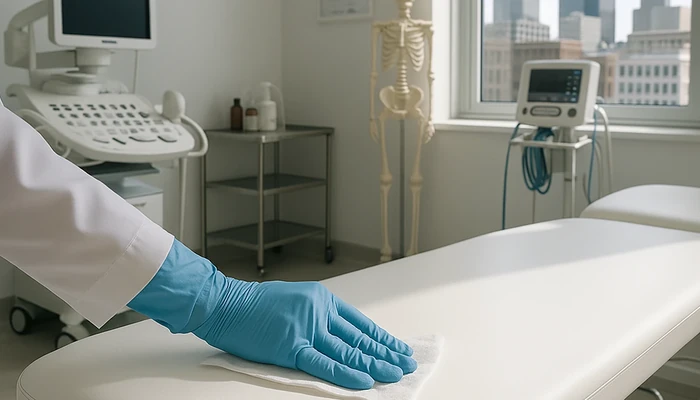
- Specialized Facilities: Medical, dental, and childcare centers require strict compliance and more rigorous documentation (see medical office cleaning protocols and dental clinic guidelines for further specifics).
Comparison Table: Key Steps by Facility Type
- Area: Home
Heightened Focus: Kitchens, bathrooms, allergy/asthma management, surfaces in contact with pets/children. - Area: Office
Heightened Focus: Shared desktops, phones, doorknobs, meeting rooms, pantries. - Area: Medical/Dental Clinic
Heightened Focus: Examination surfaces, patient waiting areas, sterile supply storage, restrooms. - Area: Childcare/School
Heightened Focus: Toys, child furniture, nap mats, handwashing stations (more at cleaning for child health and infection prevention).
Understanding Checklists versus Flexible Protocols: Decision Framework
Not every setting benefits from the same level of rigidity. Here’s when to rely on fixed checklists and when to adapt protocols dynamically:
- Checklists are ideal for high-turnover, multi-user, or regulated settings such as offices and clinics.
- Flexible protocols are better for private residences or specialty requests but must always meet baseline compliance standards.
- Ask: Is the property subject to regulation or frequent inspection?
- Ask: Are there recent health alerts that require a procedural update?
- Ask: Who are the primary occupants and do they have special health needs?
Frequency Guidance: How Often Should Each Area Be Cleaned for Compliance?
Even the most robust cleaning won’t keep a space safe if performed infrequently. Frequency is shaped by area use, local health risks, and surface type:
- High-traffic/Touch Points (Doors, phones, bathroom stalls): Disinfect at least daily.
- Kitchens and food-prep surfaces: Clean after each use.
- Beds, children’s toys, low-traffic areas: Weekly minimum, more during outbreaks or if allergies are an issue.
Scheduling for Compliance
- Recurring cleaning is optimal, with deep cleaning every 1-3 months.
- Always increase frequency during illness season or when immune-compromised individuals are present.
What Sets a Compliant Cleaning Company Apart?
- Trained staff following up-to-date, area-specific checklists
- Consistent documentation (for audits or client reassurance)
- Use of EPA-registered, eco-safe products
- Transparent customer communication, including customized cleaning plans
- Proactive adjustment to health events or new guidance from sources like the World Health Organization
Choosing a cleaning company that meets these benchmarks transforms health compliance from a workplace stressor into a seamless routine.
Red Flags: Signs Cleaning Practices Might Fall Short of Health Standards
- Lack of formal checklists or written protocols
- Poorly labeled/unidentified bottles of cleaning agents
- Inconsistent supply or use of PPE
- Staff unable to describe what EPA registration means
- No system for client feedback or inspection follow-up
For environments like restaurants, gyms, or salons where compliance is highly regulated, schedule a professional Restaurant cleaning or Gym cleaning service with professionals deeply versed in health standards.
Beyond the Basics: Special Scenarios and Emerging Hygiene Standards
- After outbreaks (flu, COVID-19): Intensify disinfecting, especially group/shared areas.
- Childcare and educational spaces: Consult infection reduction cleaning guides for extra protocols around toys, furniture, and handwashing stations.
- Medical/Dental clinics: Require frequent, documented cleaning (see dental clinic cleaning and medical office best practices).
FAQ: Essential Steps To Comply With Health Standards
What regulations guide cleaning for health standards in Chicago?
Key regulations come from OSHA, CDC, and local health ordinances—especially in regulated facilities. Professional cleaning companies remain up-to-date thanks to continual training and reference to latest guidance from bodies like WHO.
What is the difference between cleaning, sanitizing, and disinfecting?
Cleaning removes surface dirt, sanitizing reduces germs to safe levels, and disinfecting destroys most pathogens. Each plays a role in health compliance, depending on the use and area.
How do I know if my cleaning company complies with health standards?
Ask about their training, documentation, protocols, and product safety measures. Transparent companies will happily show their checklists and safety processes.
What surfaces require the most frequent disinfection?
High-touch points—door handles, light switches, electronics, and shared furniture—should be disinfected at least daily, and more often during illness seasons.
How do regulations differ for medical, dental, or childcare facilities?
Facilities serving children or patients must follow stricter standards that involve both cleaning and regulatory documentation. Consult trusted resources or local inspectors for requirements.
Are eco-friendly products acceptable for compliance?
Yes, as long as they are EPA-registered for their target germs and used properly according to manufacturer instructions.
How can feedback be incorporated into cleaning routines?
Professional services monitor satisfaction and regularly update protocols based on client and staff feedback—the hallmark of a best-in-class provider.
Is once-a-week cleaning enough for compliance?
For low-use residential areas, weekly may suffice. Shared offices, food service, and regulated industries require daily or even shift-based cleaning and disinfection.
Does a checklist replace professional supervision?
No—supervision ensures checklists are properly used and that adaptations are made for new hazards or changing standards.
Where can I learn more about current regulations?
Stay current with updates from official sources such as the APIC and WHO.
Summary and Next Steps: Practical Compliance Moving Forward
Whether you’re exploring professional services or just fine-tuning your current protocols, true compliance with health standards rests on a disciplined system: risk assessment, matched protocols, detailed checklists, well-trained staff, robust documentation, and continual adaptation. For regulated, high-traffic, or specialized environments, apply validated frameworks and monitor the latest research to keep your cleaning campaign truly compliant.
Contact CHICAGOLAND Cleaning Services today if you need expert help in maintaining health compliance, or Office cleaning service or Retail cleaning specialists for your workspace.
About CHICAGOLAND Cleaning Services
CHICAGOLAND Cleaning Services helps households and businesses in Chicago, Illinois and nearby areas keep their spaces clean and healthy. Our team specializes in recurring house cleaning, deep cleaning, move out cleaning, office cleaning, and facility cleaning. We prioritize attention to detail, flexible scheduling, certified product use, and staff training to ensure consistent quality and safe environments for all clients.
commercial chicago cleaning company, medical office disinfection chicago, patient room cleaning chicago, patient room cleaning Algonquin IL, medical building cleaning Spring Grove IL, healthcare facility cleaning Bradley IL, patient room cleaning Western Springs IL, doctor office cleaning Crest Hill, medical office cleaning Evergreen Park, patient room cleaning Morton Grove