Reliable and Efficient Options for Sanitizing Various Surfaces: An Expert’s Guide
In today’s world, understanding reliable and efficient options for sanitizing various surfaces has never been more important. Whether you are maintaining a residential property, managing an Airbnb, overseeing office spaces, or caring for specialized facilities, the safety and cleanliness of your environments rely on informed choices and effective routines. This guide from CHICAGOLAND Cleaning Services delivers a clear framework for selecting, applying, and evaluating modern sanitization options suitable for every major surface in homes and businesses. From method comparisons and preparation steps to hygiene checklists and professional insights, you will learn how to maintain safe, spotless spaces with confidence.
Understanding the Principles Behind Effective Surface Sanitization
To select the most reliable and efficient options for sanitizing various surfaces, it’s vital to understand the science behind sanitization. Sanitizing is the process of reducing germs, bacteria, and viruses to safe levels as determined by public health standards. Effective sanitization combines:
- Proper Cleaning: Removing visible dirt and debris so disinfectants can work efficiently.
- Appropriate Disinfectants: Choosing products rated for specific pathogens (e.g., enveloped viruses, bacteria, fungi).
- Tested Techniques: Using established approaches for contact time, dwell time, and appropriate dilution.
The reliability and efficiency of these options depend on the match between the surface type, potential contaminants, and method applied.
Surface-Specific Sanitization: Matching Method to Material
Each material in your living or working space requires custom attention. Using an inappropriate method can damage surfaces or reduce sanitizing effectiveness. Consider these targeted recommendations:
- Non-porous Surfaces (tile, glass, stainless steel): Use chemical disinfectants registered with health authorities, such as EPA-registered products. Allow correct dwell time.
- Porous Surfaces (carpet, upholstery): Opt for cleaning followed by sprays or steam sanitization designed for fabrics.
- Wood and Specialty Finishes: Select pH-neutral or wood-safe sanitizers. Avoid harsh alcohol- or bleach-based products that may cause fading.
- Electronics and Screens: Use wipes or solutions labeled safe for electronics, applied to a cloth (never sprayed directly).
Applying the right sanitizer maintains both cleanliness and material integrity.
Comparing Sanitization Methods: Chemical, Steam, and UV-C
Modern professional cleaning draws on multiple sanitizing technologies, each with unique benefits. Below is a side-by-side comparison to help you decide which approach fits your needs best:
- Chemical Disinfectants: Reliable for bacteria and viruses, broadly used, variety of options for different surfaces. Must follow safety instructions regarding ventilation and dwell times.
- Steam Sanitization: Efficient for deep cleaning and sanitizing porous surfaces and grout. Avoid on delicate finishes or electrical components.
- UV-C Light: Effective on exposed, non-porous surfaces. Fast, no chemical residues. Requires safety protocols to avoid direct exposure.
Many professional teams, including CHICAGOLAND Cleaning Services, evaluate space needs and employ a combination of these techniques for best results.
Checklist: Steps for Reliable Sanitization of High-Touch Areas
- Choose the right method for your surface (see above).
- Remove visible debris and dust first.
- Apply the cleaning agent or method according to manufacturer guidelines.
- Allow proper dwell time for disinfectants (usually several minutes).
- Wipe or allow surface to air dry completely before use.
- Regularly repeat for high-touch spots (see frequency recommendations below).
Frequency Guidelines for Surface Sanitization: Home and Office Scenarios
| Area/Item | Recommended Frequency | Sanitization Method |
|---|---|---|
| Doorknobs & Light Switches | Daily | Chemical Wipes/Sprays |
| Bathroom Surfaces | After Each Use/ Daily | Disinfecting Cleaner |
| Countertops & Tables | Daily | Wipes or Spray + Microfiber |
| Carpets & Upholstery | Weekly | Vacuum + Steam or Spray |
| Shared Electronics | Between Users | Electronics Safe Wipes |
| Reception Desks & Phones | Multiple Times/Day | Chemical/Safe Wipes |
These are baseline frequencies. In higher-traffic or sensitive environments, increase sanitization as needed.
Decision Framework: Choosing the Best Sanitization Option for Any Situation
When considering reliable and efficient options for sanitizing various surfaces, apply this decision-making model:
- Assess Surface Type: Is it porous, delicate, or electronic?
- Evaluate Usage: Is the area high-touch, food-related, or infrequently used?
- Understand Contamination Risks: Are there known pathogens, allergens, or risk factors (such as childcare or medical use)?
- Review Product Labels: Choose products proven effective for your scenario, ideally with EPA or equivalent registration.
- Factor in Time and Cost: Combine daily touch-ups with weekly deep techniques for efficiency and safety.
This practical approach ensures you select correctly, prevent cross-contamination, and balance safety with efficiency.
How Professional Teams Ensure Consistency and Safety in Sanitization
Expert cleaning companies like CHICAGOLAND Cleaning Services train their teams extensively and provide strict checklists to guarantee thorough, repeatable results. Reliable and efficient options for sanitizing various surfaces require:
- Standardized protocols for every service line (recurring cleaning, deep cleaning, move out, office).
- Regular staff training covering the latest health safety and OSHA guidelines (see OSHA guidance).
- Surface-specific toolkits: separate cloths, mops, and solutions for kitchens, bathrooms, and common areas.
- Documentation and daily/weekly inspections to verify no steps are missed.
This structure minimizes errors and maximizes safety for all occupants.
Special Considerations: Sanitizing in Sensitive and Regulated Environments
Offices, daycares, and food service facilities in Chicago must meet strict local and industry standards.
- Childcare and Educational Facilities: Focus on non-toxic disinfectants, allergen reduction, and rigorous routines. See related tips in this resource.
- Healthcare & Dental Offices: Follow validated protocols such as those outlined for dental clinics and medical spaces. For specifics, visit maintaining dental clinic cleanliness.
- Restaurants and Food Preparation Areas: Adhere to Chicago’s food safety codes for sanitization and cleaning procedures (Chicago food safety codes).
Always verify that your service provider’s techniques comply with local regulations.
Comparing DIY vs. Professional Sanitization for Different Surfaces
- DIY Benefits: Cost control and flexibility for touch-ups. Suitable for routine spots like desktops or handles.
- DIY Limitations: Hard to ensure thoroughness, correct chemical use, and appropriate dwell time. Equipment (steam, UV-C) may be costly or impractical for homes.
- Professional Advantages: Precise product use, consistent routines, deep cleaning tools, and documented procedures. Efficient especially for larger spaces or critical areas.
For routine cleaning, most can handle basics. For high-touch, high-traffic, or regulated settings, professional services are strongly recommended.
Preparation Steps for Effective Surface Sanitization
Preparation maximizes the reliability of any disinfecting step:
- Clear clutter and remove unnecessary items from target areas.
- Dust and vacuum before applying disinfectants or steam cleaning.
- Ensure good ventilation, especially when using chemical cleaners.
- Prep appropriate PPE (personal protective equipment) for safety.
- Double-check product compatibility with each surface type.
Common Pitfalls to Avoid When Sanitizing Various Surfaces
- Mixing incompatible cleaning chemicals (such as bleach and ammonia) – always use one product at a time.
- Skipping dwell time (not letting disinfectants sit long enough).
- Using abrasives on delicate or coated surfaces (may cause scratching or loss of finish).
- Overwetting fabrics and upholstery, which can lead to mold.
- Relying on all-purpose cleaners for sensitive or regulated environments – specialty products are often required.
Review chemical safety information for every product in use.
Sanitization for High-Traffic and Specialty Facility Areas
Facilities with elevated foot traffic or special requirements demand adaptive cleaning strategies:
- Use surface-specific checklists for front desks, waiting rooms, restrooms, and kitchens.
- Increase frequency and spot-checking in peaks (e.g., after events or before shift changes).
- Reference advanced protocols for clinics, gyms, and educational facilities, such as those detailed here.
- Assess HVAC, touchless dispensers, and consumer-accessible sanitation stations regularly.
Integrating Sanitization into Facility and Home Maintenance Plans
Reliable and efficient sanitization options are most effective when built into recurring cleaning schedules. A comprehensive plan should include:
- Daily sanitization touchpoints for high-traffic areas.
- Weekly or biweekly deep sanitization of floors, furniture, and communal equipment.
- Periodic risk assessments and protocol reviews, especially after illness outbreaks or new regulations.
- Clear communication with cleaning teams (internal or professional) for accountability and continuous improvement.
Ensuring Compliance with Health and Safety Standards
For businesses and specialized spaces, compliance is non-negotiable. Regular internal audits and updated protocols keep your cleaning and sanitization approach both reliable and legally sound. Further practical steps are outlined in this compliance-focused guide.
FAQ: Reliable and Efficient Surface Sanitization
Which disinfectants are proven most effective for home and office surfaces?
EPA-registered disinfectants that meet health guidelines and are appropriate for the surface in question are best. Options vary according to material and contamination risks.
How can I verify my sanitization method is truly effective?
Check for visible cleanliness, ensure proper contact time, and follow industry best practices. Professional teams conduct regular spot checks and use systems for accountability.
Is steam cleaning safe for all surface types?
While steam is effective for many porous surfaces, avoid it on delicate or heat-sensitive materials, wood, and electronics.
How often should high-touch surfaces be sanitized?
Daily, at minimum, and more frequently in shared or high-traffic settings.
Do green or eco-friendly disinfectants work as well as chemical options?
Many eco-friendly disinfectants are highly effective when used on appropriate surfaces following manufacturer instructions.
What is the best way to sanitize shared electronics?
Use wipes specifically designed for electronics and always apply the solution to a cloth, not directly to the device.
Can I use the same sanitizer across all surfaces?
It’s best to match your product to each surface type for maximum safety and effectiveness.
How do I know if professional help is needed?
If you operate a business, manage high-traffic or regulated spaces, or want to save time while ensuring rigorous standards, professional services are recommended.
Where can I learn more about Chicago’s cleaning and sanitation standards?
The city’s official guidelines for food safety and sanitation can be found at the official Chicago resource.
Summary and Next Steps
Reliable and efficient options for sanitizing various surfaces are essential to keeping your home, rental, office, or specialized facility healthy and inviting. By understanding which methods work best for each material and usage pattern, comparing technologies, abiding by safety and regulatory standards, and integrating these practices into recurring routines, you ensure true peace of mind and lasting cleanliness.
If you require help navigating the maze of professional options or want to optimize your facility’s cleaning routine, consider consulting or scheduling a specialized service with trained professionals.
About CHICAGOLAND Cleaning Services
CHICAGOLAND Cleaning Services delivers expert residential and commercial cleaning solutions across Chicago, Illinois. Specializing in recurring home cleaning, deep cleaning, move out cleans, office, and facility care, our trained teams combine industry best practices, detailed checklists, and advanced products to meet the needs of every client. With flexible scheduling, transparent pricing, and a focus on long-term partnerships, CHICAGOLAND Cleaning Services helps households and businesses in Chicago, Illinois and nearby areas keep their spaces clean and healthy.
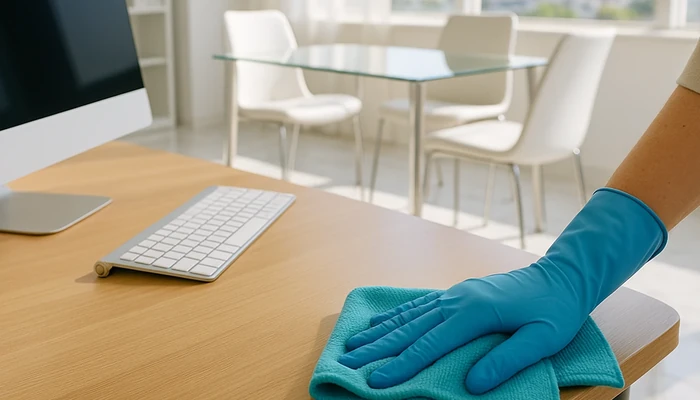
cleaning commercial service in chicago, office cleaning chicago il, open office cleaning chicago, office cleaning in Aurora, office cleaning West Loop IL, office breakroom cleaning Itasca, desk office disinfection Wood Dale IL, open office cleaning Loop, office restroom cleaning Hanover Park, office cleaning in Brookfield IL