 Skip to content
After-Service Cleaning for Churches: Protect Sanctuaries Without Disrupting Worship
Church sanctuaries and worship spaces hold a special place in their communities—they are sites of spiritual connection, reflection, and celebration. Yet, following every service or gathering, these environments face unique cleaning challenges: maintaining a spotless, healthy setting without disturbing the sanctity and rhythm of church life. In this detailed guide, you’ll find expert frameworks, product recommendations, and cleaning checklists tailored to after-service cleaning for churches. We’ll also explore how to protect sanctuary materials, ensure community health, and work smoothly with professional crews like CHICAGOLAND Cleaning Services, ensuring every cleaning session upholds respect as well as results.
The Unique Demands of Church After-Service Cleaning
Churches face cleaning requirements unlike those of offices or homes. Practices such as shared seating, high foot traffic during events, and the presence of sacred artifacts mean every after-service cleaning operation must carefully balance hygiene with reverence. Unlike other spaces, cleaning in a church:
- Must respect religious artifacts and heritage materials
- Involves flexible schedules for services, rehearsals, or group meetings
- Prioritizes high-touch, high-traffic areas
- Requires discreet work by cleaning staff
- Demands specialized products for pews, altars, and liturgical textiles
Cleaning Framework: Minimizing Disruption, Maximizing Respect
To ensure after-service cleaning does not disrupt worship or the sanctuary atmosphere, adopt a cleaning framework based on:
- Timing: Clean when spaces are empty, allowing for ventilation and quiet.
- Zones: Segment the church: sanctuary, entryways, fellowship halls, restrooms, offices, and classrooms.
- Materials Review: Catalog surfaces: wood pews, alter cloths, metal fixtures, stone floors, etc.
- Communication: Schedule cleaning with clergy, facility managers, and users to avoid program conflicts.
- Quality Control: Use checklists specific to church functions and building layouts.
Essential Areas and Surfaces: Prioritizing What Matters
While all spaces require attention, certain church zones are especially prone to post-service buildup:
- Pews and Chairs: Frequent contact; sweat, oils, and occasional food residue.
- Altars and Chancels: Risk of wax, wine, flowers, and fingerprints.
- Entryways and Narthex: Mud, debris, and salt drag in from outdoors.
- Restrooms: Peak usage around services; require thorough disinfecting.
- Fellowship Spaces and Kitchens: Refreshments leave behind crumbs or spills.
- High-Touch Points: Door handles, handrails, offering plates, hymnals, AV controls.
Checklists for Church Cleaning Teams After Services
Systematic checklists ensure no detail is overlooked. Here’s a sample after-service cleaning checklist for churches:
- Inspect for trash or misplaced items in pews, entryways, and classrooms.
- Disinfect door handles, pew rails, offering plates, and shared instruments.
- Vacuum floor coverings and rugs; mop hard surfaces.
- Polish woodwork with sanctuary-safe polish (non-abrasive, no ammonia).
- Wipe glass, brass, and metal surfaces gently.
- Check and sanitize restrooms: refill supplies; disinfect fixtures and handles.
- Remove candle wax and flower residue near altars.
- Reset hymnals, literature, and seat cushions.
- Clean AV booths, microphones, and music stands.
- Report and log any maintenance concerns.
Product Choices: Balancing Hygiene and Sacred Materials
Selection of cleaning products and tools is vital to both hygiene and preservation. Use products tailored to church environments:
- Neutral pH cleaners for wood pews and altars
- Non-abrasive wipes for hymnals, bibles, and AV equipment
- EPA-approved disinfectants for restrooms and kitchens
- Soft microfiber cloths for fragile items and artifacts
- Low-odor, quick-drying solutions to minimize lingering scents before the next gathering
For more information on approved solutions for cleaning sensitive areas, refer to the Nilfisk cleaning solutions resource.
Frequency: Setting a Church Cleaning Schedule
How often should churches be cleaned after services? The answer depends on:
- Service frequency and attendance numbers
- Seasonal events or special ceremonies.
- Health concerns: flu season, pandemic response, high-risk populations.
Common best-practice frequencies:
- After every major service or event: Main sanctuary, restrooms, entryways
- Weekly: Classrooms, fellowship halls, staff offices
- Monthly: Deep-clean and inspection of less-accessed areas
For tips on optimizing cleaning times for special events, see Efficient Event Cleanup Services.
Special Considerations: Preserving Heritage Elements
Churches often contain irreplaceable stained glass, woodwork, liturgical art, and textiles. To protect these during after-service cleaning:
- Use soft-bristle brushes and non-abrasive cloths
- Test cleaning solutions on small, inconspicuous areas first
- Avoid wetting painted or gold-leaf surfaces
- Consult restoration specialists for any repairs
- Store cleaning equipment safely away from historic items
These steps ensure cleaning supports preservation and pride in a church’s visual legacy.
Managing Air Quality and Ventilation Post-Service
After services, indoor air quality can suffer—especially in older or densely attended buildings:
- Open windows and doors post-cleaning as weather allows
- Use portable HEPA filters to reduce airborne allergens and cleaning product residues
- Avoid strongly scented or lingering products
- Change HVAC filters routinely, especially after large gatherings
For a deeper dive into cleaning high-traffic environments, visit Efficient Cleaning in High Demand Areas.
Safety and Compliance: How Churches Meet Health Standards
All after-service cleaning must comply with relevant health guidelines. In Illinois, churches often look to the Illinois Department of Public Health for best practices such as:
- Safe cleaning agent storage and labeling
- Employee training in cleaning protocols and PPE
- Regular audits for cross-contamination points
- Waste disposal practices for biohazards (e.g., tissues, food waste)
- Clear documentation for inspection readiness
Churches with affiliated childcare, kitchens, or events may require additional compliance steps.
Comparing DIY Church Cleaning, Volunteers, and Professionals
| Approach | Pros | Cons |
|---|---|---|
| Volunteer Teams | Cost savings, community involvement, flexible scheduling | Inconsistent results, training gaps, possible disruption of worship prep |
| DIY (In-House Staff) | Familiarity with building, control over sensitive materials | May lack specialized equipment or expertise for deep cleaning |
| Professional Cleaning Service | Consistency, trained staff, precise scheduling, insurance coverage | Recurring cost, need for careful communication and customization |
If professional support is preferred, connect with CHICAGOLAND Cleaning Services to discuss tailored church cleaning programs.
Working with Cleaning Crews: Ensuring Church Needs Are Met
Professional cleaning crews deliver best results for churches when they:
- Review floor plans with church stewards
- Document and respect sacred items during cleaning
- Follow custom checklists for each area
- Use sign-in/out logs and quality-control forms
- Provide feedback or alerts for maintenance issues
Prefer providers that offer open communication, background-checked staff, and flexibility for special events or vigil services.
Coordinating Cleaning Around Church Calendars and Events
From weekly services to weddings, funerals, and holiday vigils, churches have unpredictable schedules. Effective after-service cleaning hinges on:
- Shared digital calendars for facilities and cleaning personnel
- Advance notice for major events, facilitating deep-cleaning
- Rapid-response touchups when back-to-back gatherings occur
- Clear guidelines for emergency cleanups or weather-related messes
Find more on efficient planning for event cleaning at Detailed Planning for Pre- and Post-Event Cleaning.
Respectful Cleaning: Staff Training and Sensitivity
Churches must ensure all cleaning staff—whether in-house or contracted—are:
- Briefed on areas and materials requiring special care
- Trained to avoid working during prayer, meditation, or mourning
- Mindful of religious customs and schedules
- Uniformed for clarity, yet unobtrusive in their presence
- Validated for background checks and safety record
For rigorous cleaning staff training, explore Train Your Staff in Commercial Cleaning Techniques.
Handling Spills, Stains, and Special Cleaning Challenges
No two services are alike: accidental spills (wax, wine, coffee), incense ash, and holiday décor residue can all present cleaning hurdles in sacred spaces. Prepared cleaning providers will:
- Carry specialty spot solutions and stain-removal kits
- Respond quickly after events—before substances have time to set
- Use approved treatments specific to each surface (consulting with preservation experts as needed)
- Document and report any damage for prompt repair
Checklist: Steps for a Flawless After-Service Cleaning Routine
- Review the event calendar and communicate with church coordinators
- Prepare the approved products, tools, and PPE
- Walk through and identify sensitive zones or ongoing setups
- Work zone-by-zone, prioritizing high-traffic/sensitive areas
- Document completed steps and any issues
- Report to facility manager and log any irregularities
- Reset all spaces for next worship or community use
Maintaining Cleanliness Between Professional Visits
To keep sanctuaries inviting between professional cleanings, consider:
- Placing hand-sanitizer stations at entries
- Providing cleaning wipes for self-serve touchpoint cleaning
- Encouraging congregation to dispose of trash before leaving
- Scheduling volunteer touch-up teams when needed
- Posting signage about post-service tidying expectations
Integrating Green and Eco-Friendly Cleaning Practices
Many congregations value environmental stewardship. Eco-friendly cleaning for churches may include:
- Use of biodegradable, non-toxic cleaning agents
- HEPA-filtered vacuums to trap dust and allergens
- Reusable cloths and mop heads
- Water-efficient cleaning tools and methods
- Regular evaluation of products and their certifications
Explore sustainable cleaning innovations at Embrace Eco-Friendly Cleaning.
Frequently Asked Questions: After-Service Cleaning for Churches
What is the most important area to clean after church services?
The sanctuary—including pews, shared seating, and high-touch surfaces—should always be prioritized in after-service cleaning, along with restrooms and entryways that experience heavy traffic.
How can we avoid cleaning disruptions to worship or prayer activities?
Schedule cleaning for times when the church is unoccupied and communicate with clergy and staff to avoid services, meetings, or private devotions. Use quiet equipment and discreet methods.
How do you handle sacred materials and artifacts during cleaning?
Materials such as altar cloths, relics, or art should only be cleaned with approved, gentle solutions and handled by trained professionals. Always test products before full use and consult preservation experts when unsure.
Can volunteers handle all after-service cleaning?
Volunteers are vital but may not have specialized training for deep cleaning or sensitive area care. For consistency and preservation of heritage materials, supplement volunteers with professional support as needed.
What products should be avoided when cleaning a church sanctuary?
Avoid harsh chemicals, ammonia- or bleach-based products, and abrasive pads on wood, glass, brass, and textiles. Choose neutral, non-toxic, and odor-neutralizing products suited to the church’s surfaces.
How often should a professional cleaning happen after church events?
Ideally, professional cleaning should take place after every major service or event, with regular weekly deep cleaning for public spaces and monthly attention to less-used areas.
Are there standards or inspections for church cleaning?
In Illinois, health and safety standards from agencies such as the Illinois Department of Public Health may apply, especially if the church has childcare, kitchens, or event spaces.
Can we use the same cleaners for pews and restroom surfaces?
No—use separate products and tools for sanctuary woodwork and for restrooms to reduce cross-contamination and preserve delicate finishes.
What do we do if a spill or stain cannot be removed?
Document the location and details. Contact a professional with experience in church or heritage cleaning for safe spot or stain removal.
How does after-service cleaning support health during cold/flu season?
Thorough after-service cleaning reduces germ spread on high-touch areas, maintains restroom hygiene, and improves air quality—all vital during peak illness seasons.
Conclusion: Sustaining Sacredness and Cleanliness Together
True after-service cleaning for churches balances the highest cleaning standards with respect for every gathering and artifact. By aligning professional protocols with church values—as detailed in this guide—sanctuaries remain both welcoming and reverent for all who visit. Ready to protect your congregation and sacred space? Reach out to a provider like CHICAGOLAND Cleaning Services for custom cleaning that preserves your church’s legacy while enabling worship without disruption.
About CHICAGOLAND Cleaning Services
CHICAGOLAND Cleaning Services delivers expert cleaning solutions to households and businesses in Chicago, Illinois and nearby areas. Our trained staff follow industry-standard checklists and use professional-grade equipment for recurring house cleaning, deep cleaning, move out cleaning, office cleaning, and specialized facility cleaning—including religious institutions. We are committed to excellence, transparent communication, and building long-term, trusted client relationships.
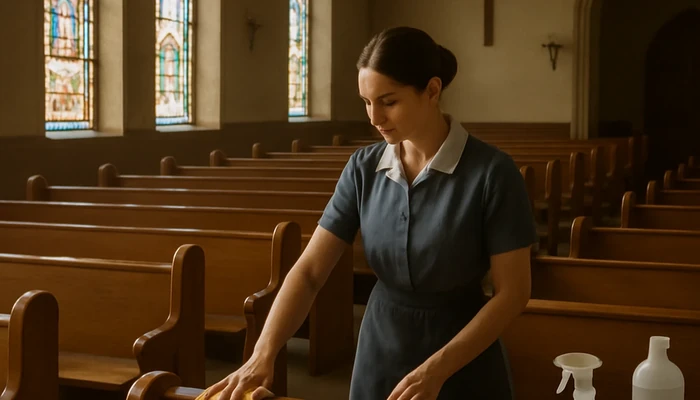
commercial cleaning companies in chicago, worship space cleaning Facility Cleaning Chicago, temple cleaning Facility Cleaning Chicago, synagogue cleaning Forest Park IL, church cleaning Albany Park IL, church fellowship hall cleaning Aurora IL, worship hall cleaning Morton Grove IL, temple cleaning Yorkville IL, mosque cleaning Lansing, pews and seating church cleaning Norridge
