 Skip to content
Exam Room Turnover Cleaning vs Nightly Janitorial: Where Medical Offices Need Clear Boundaries
If you operate or manage a medical office, clarity about cleaning protocols can be challenging—especially regarding the distinction between exam room turnover cleaning and nightly janitorial routines. With infection control, patient trust, and compliance at stake, knowing exactly where boundaries exist between these cleaning tasks is crucial. In this guide, you’ll learn how and why these approaches differ, what each covers, how boundaries are set, and which frameworks leading Chicago medical offices use to safeguard hygiene and workflow. We’ll also highlight operational checklists, compliance tips, real-world scenarios, and ways to ensure your partnership with a cleaning provider—like CHICAGOLAND Cleaning Services—delivers clarity and value.
Understanding the Purpose of Exam Room Turnover Cleaning
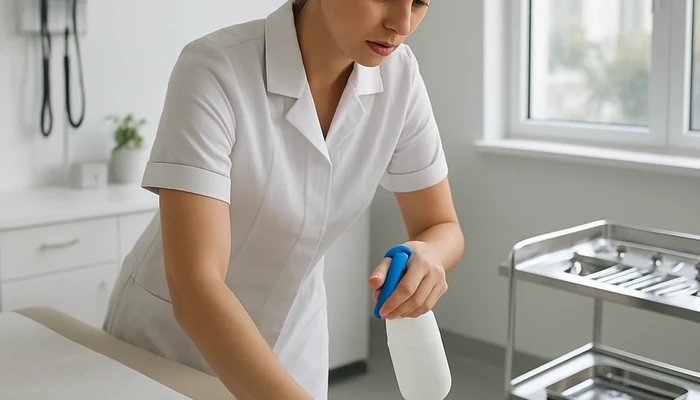
Exam room turnover cleaning occurs between patient appointments throughout the workday. Unlike end-of-day janitorial cleaning, this process focuses on removing contaminants left by one patient before the next enters. The goal is minimizing cross-infection risk and ensuring every patient enters a sanitized, safe space.
- Disinfecting high-touch surfaces (e.g., exam tables, chairs, counter surfaces, sinks)
- Replacing disposable barriers and paper coverings
- Removing visible debris or biohazards (with proper PPE)
- Ensuring used instruments are contained for sterilization
- Emptying small waste bins (when used between patients for biohazard material)
Staff often perform turnover cleaning quickly, following a checklist for consistency. Some clinics partner with specialized medical cleaning teams to support high-throughput operations or sensitive patient care.
Nightly Janitorial Services: Scope and Role in Medical Offices
Nightly janitorial services occur after business hours. These services address the entire facility, not just clinical spaces:
- Cleaning and sanitizing restrooms, lobbies, staff rooms, and hallways
- Emptying all garbage and recycling bins
- Dusting, vacuuming, and mopping floors
- Refilling consumables (soap, towels, seat covers)
- Spot cleaning vertical surfaces and air vents
This work provides broad-level cleanliness, odor control, and facility presentation. However, janitorial crews are not responsible for between-patient clinical disinfection unless specifically trained and contracted for this work.
Key Differences: Exam Room Turnover Cleaning vs Nightly Janitorial
Understanding the differences is vital for compliance, safety, and efficient clinic operations. See the table below:
| Aspect | Exam Room Turnover Cleaning | Nightly Janitorial Services |
|---|---|---|
| Timing | Throughout the workday, between patients | After clinic hours, daily/weekly |
| Who Performs | Clinical staff or specialized medical cleaners | Professional janitorial teams |
| Checklist Focus | Clinical touchpoints, patient safety | Whole facility, aesthetics, and general hygiene |
| Key Surfaces | Exam tables, equipment, counters, handles | Floors, lobbies, restrooms, break rooms |
| Compliance Required | Strict clinical infection protocols | OSHA, health, and workplace safety standards |
| Products Used | EPA-registered healthcare disinfectants | General and medical-grade cleaners, as needed |
Why Clear Boundaries Matter for Safety, Compliance, and Workflow
When boundaries blur between exam room turnover and janitorial cleaning, consequences can include:
- Mistakes in cleaning frequency for critical areas
- Possibility of leaving infectious material between patients
- Noncompliance with CDC, OSHA, or local health standards
- Staff confusion, duplication of work, or critical tasks being missed
- Reduced patient and staff trust
Establishing clear protocols and responsibilities prevents these risks and streamlines audit readiness for healthcare inspections.
Frameworks for Setting Boundaries: Who Cleans What and When?
Most successful Chicago-area medical offices use a decision framework that maps each area and task to a responsible party and sets a frequency benchmark:
- Map Clinical vs. Non-Clinical Spaces—Define every room’s purpose.
- Assign Responsibility—Identify if the task is best done by in-house staff or the janitorial team.
- Set Minimum Frequencies—Draw from federal standards, like OSHA (see OSHA resources), healthcare protocols, and product labels.
- Document Checklists—Create written protocols for each area.
- Review and Audit—Regularly assess outcomes and adapt protocols as needs change.
Core Components of an Exam Room Turnover Cleaning Checklist
Effective turnover cleaning is highly standardized. Here is a practical turnover checklist:
- Wear appropriate PPE (gloves; mask if risk of fluids)
- Collect soiled instruments into a marked container
- Remove table paper and disposable coverings
- Disinfect exam tables, counters, drawer handles, lights
- Wipe shared-use equipment (stethoscopes, BP cuffs)
- Disinfect chairs and door handles
- Replace supplies as needed (gloves, hand sanitizer)
- Visually inspect for debris or spills
- Return PPE to disposal area and wash hands
Checklists ensure nothing is missed, even during busy patient flow. Supplement with staff training and periodic review, as emphasized in resources like ASHRAE’s commercial guidelines.
Critical Zones: Areas Demanding Rigorous Attention
Not all spaces require the same approach. Focus on:
- Exam tables and chairs (highest risk for contamination)
- Light switches and door handles (high-frequency touch)
- Sinks and faucet handles
- Waste containers (biohazard risks)
- Shared portable equipment
Secondary but important areas include supply cabinets, wall rails, and curtain pulls. Gaps in cleaning here can undermine the whole infection-control effort.
Product Selection: What Cleaners and Disinfectants Are Needed?
For exam room turnover, EPA-registered healthcare disinfectants (not just general-purpose cleaners) are essential. Ensure your products are hospital-approved and safe for clinical use. Nightly janitorial may use a broader range, but products still must meet workplace safety standards for any clinical-adjacent area.
- Verify contact time (how long disinfectant must stay wet on surfaces)
- Record which products are used where (for compliance audits)
- Maintain Safety Data Sheets (SDS) on-site
- Never mix incompatible chemicals
Consult with your commercial cleaning provider if in doubt about product labels or compatibility—CHICAGOLAND Cleaning Services can offer recommendations and support.
How Frequency Differs Between Turnover Cleaning and Nightly Janitorial
Frequency depends on space usage and risk level:
- Exam rooms: Clean/disinfect after every patient
- Restrooms: Spot cleaning as needed; deep cleaning nightly
- Waiting rooms, lobbies: Spot disinfection each day, deep cleaning at night
- Floors: Nightly mopping; spot cleaning for spills
- Break rooms/offices: Nightly or multiple times weekly, as appropriate
Real-World Scenarios: Where Boundaries Can Blur (and What to Do)
Ambiguities often arise in:
- Mixed-use spaces (e.g., minor procedure rooms used for both examination and admin work)
- Shifts with overlapping duties (evenings where nurses and janitors are both present)
- High patient volume days that demand extra cleaning rounds by janitorial teams
- Staff turnover or absences without clear documentation
To address overlap, medical offices should hold joint staff-janitorial planning sessions, maintain easy-to-read posted checklists, and update protocols as seasons or needs shift. See targeted cleaning strategies for high-traffic areas in medical offices for more scenario-based insights.
Checklist: Setting and Enforcing Clear Cleaning Boundaries
- Define every area (exam, admin, restroom, lobby, etc.)
- List all cleaning tasks for each space
- Assign who is responsible (clinical team vs janitorial)
- Set minimum required frequency
- Create written checklists, post them on-site
- Train teams on both checklists and infection control basics
- Review checklists monthly, update as needed
- Document and audit performance (logs, inspections)
Compliance Benchmarks: What Regulators Expect
Medical offices must comply with multiple health and safety agencies in Chicago and nationwide, including OSHA and city health departments. Regulators expect:
- Written cleaning protocols for all areas
- Logs of who performed each cleaning task and when
- Clear separation between clinical and janitorial roles
- Proper selection and use of EPA-approved products
- Immediate and proper handling of spills, biohazards, and waste
For regulatory best practices, review essential steps to comply with health standards.
Decision Framework: How to Choose or Audit Your Cleaning Provider
Key considerations in selecting or auditing a cleaning partnership:
- Does the provider clearly distinguish turnover cleaning from janitorial services?
- Are staff trained and background-checked for healthcare environments?
- Are protocols customized to your exact space, risk, and workflow?
- Is there flexibility for busy periods or unique needs?
- Do checklists, compliance logs, and supervision meet regulatory standards?
- Are there transparent communications and reporting tools?
Review dental clinic cleaning steps for an example of rigorous medical cleaning partnership structure.
When to Adjust: Reviewing and Updating Your Cleaning Boundaries
Update boundaries, responsibilities, and checklists when:
- Physical space changes (renovations, expansions)
- Clinic hours, patient volume, or staffing patterns shift
- Feedback or audit identifies a gap
- Guidelines or regulations change (e.g., post-pandemic adjustments)
- New infectious risks emerge (seasonal surges, outbreaks)
Regular review ensures your cleaning protocols remain effective and defensible during inspections.
Chicago Perspective: Local Considerations for Medical Office Cleaning
Medical offices in Chicago, Illinois have unique needs:
- Weather: Winter slush and salt can increase lobby and floor cleaning requirements.
- Urban density: High foot traffic in waiting areas demands extra vigilance and periodic cleaning during the day.
- Regulations: Chicago’s Healthcare Enforcement Guidance provides city-specific compliance rules.
- Diverse clinic types: Pediatric, dental, and specialist offices may require tailored protocols. See infection control in children’s health environments for pediatric-specific notes.
Integrating Cleaning Protocols Into Staff Workflow
Operationalizing boundaries means:
- Ensuring staff receive turnover cleaning training during onboarding
- Using color-coded or area-specific cleaning supplies
- Assigning and rotating responsibilities to minimize fatigue
- Conducting spot audits at random
- Using digital or physical logs for real-time transparency
Bridging clinical and janitorial team communication is key for seamless infection control.
Frequently Asked Questions: Boundaries and Responsibilities
- Who is responsible for cleaning biohazard spills in exam rooms?
- Clinical staff are typically trained and responsible for immediate biohazard spill clean-up during the workday, while janitorial teams handle routine end-of-day clinical space disinfection unless otherwise contracted.
- Can nightly janitorial crews perform exam room turnover between patients?
- Only if they are specifically trained for healthcare environments and have access during operating hours—but this is uncommon and typically handled by in-house staff.
- How can I ensure compliance during annual inspections?
- Maintain detailed protocols, cleaning logs, and written assignments for each area. Conduct periodic internal audits and work with providers who support audit readiness.
- Do regulations differ for pediatric or dental exam rooms?
- Yes, some requirements are more stringent (especially for infection-prone populations); always review the latest city, state, or specialty guidelines.
- How do I adjust cleaning protocols for seasonal changes or outbreaks?
- Increase frequency and broaden disinfection to shared areas during peak flu or allergy seasons, or when city/state authorities issue new recommendations.
- Is it necessary to disinfect every surface between each patient?
- Disinfect all high-touch and patient contact surfaces per CDC/OSHA guidelines. Lower-risk surfaces can be cleaned less frequently as risk assessments dictate.
- What documentation should be maintained?
- Keep copies of protocols, checklists, product SDS, cleaning staff training records, and logs confirming each task and responsible party for at least the minimum retention period required by your local agency.
- When should I consult my cleaning provider about boundaries?
- Whenever you introduce new rooms, change procedures, add staff, or receive feedback/survey results suggesting potential confusion or service gaps.
Summary: Setting and Maintaining Clear Cleaning Boundaries in Medical Offices
In Chicago’s dynamic medical office environment, the distinctions between exam room turnover cleaning and nightly janitorial work form the backbone of a safe, efficient, and compliant practice. Turnover cleaning keeps every patient protected; janitorial work ensures the environment stays healthy and welcoming overall. By leveraging clear checklists, thoughtful provider partnerships, regular training, and up-to-date compliance frameworks, you can reduce infection risks, streamline staff workload, and ace your next inspection with confidence.
For support establishing or reviewing medical office cleaning boundaries, consider partnering with specialists who understand your unique needs. Medical office cleaning service bookings are available for tailored solutions, or explore Dental office cleaning and Office cleaning service options when you need broader facility support.
About CHICAGOLAND Cleaning Services
CHICAGOLAND Cleaning Services helps households and businesses in Chicago, Illinois and nearby areas keep their spaces clean and healthy. With a focus on recurring house cleaning, deep cleaning, move out cleaning, office and specialized facility cleaning, our trained staff follow strict checklists and industry protocols to deliver consistent results. We offer transparent communication, flexible scheduling, and use proven products and equipment for each surface. Our team is dedicated to long-term client relationships, supporting safer, more hygienic environments in medical offices and beyond.
cleaning commercial services in chicago illinois, medical building cleaning Cleaning Services Chicago, patient room cleaning Cleaning Services Chicago, medical office sanitation Monee IL, exam room cleaning Hyde Park IL, healthcare facility cleaning Spring Grove IL, patient room cleaning Norridge, medical office cleaning South Holland IL, medical office disinfection River North IL, waiting area cleaning Franklin Park
