How To Clean And Maintain Areas To Ensure A Professional Environment
Maintaining a truly professional environment goes far beyond just surface-level tidiness. Whether you manage an office, oversee an Airbnb, own a commercial building, or simply want your home to reflect the highest standards, understanding how to clean and maintain areas to ensure a professional environment can make a powerful difference. This comprehensive guide walks you through professional-grade cleaning approaches, proven checklists, decision frameworks, and the essential habits that support health, efficiency, and a positive impression for every visitor. You’ll discover how expert teams like CHICAGOLAND Cleaning Services approach maintenance, the critical protocols for different areas, and how you can determine what’s right for your unique space.
The Core Principles of Professional Cleanliness
Creating a consistently professional environment starts with a strategic approach. The following principles underpin every successful cleaning and maintenance program:
- Consistency: Establish and follow routines that never miss critical tasks, even during busy times.
- Comprehensive Coverage: Every area, including high-traffic and seldom-used spaces, must receive attention.
- Attention to Detail: Focus on high-touch points and the subtleties guests, clients, or employees notice.
- Appropriate Products: Use cleaning solutions and equipment tailored for each surface to avoid damage and maximize hygiene.
- Clear Standards: Written checklists and defined outcome expectations keep staff aligned and ensure consistent results.
Understanding Different Facility Types and Their Unique Needs
Not all environments are the same. The strategies to ensure a professional setting vary by facility type:
- Offices: Require special attention to desks, electronics, communal kitchens, and meeting spaces.
- Residential Properties and Airbnbs: Prioritize bathrooms, kitchens, and all high-touch areas which guests scrutinize.
- Medical and Dental Facilities: Mandate rigorous infection prevention protocols and strict adherence to safety standards. See Maintaining Dental Clinic Cleanliness.
- Educational and Childcare Facilities: Require allergen reduction, frequent disinfection, and monitoring of toy and shared item cleanliness. For more, visit Cleaning to Reduce Infections and Ensure Children’s Health.
- High-Traffic Commercial Spaces: Benefit from enhanced frequency and robust protocols. Explore details in For High-Traffic Areas In Medical Offices.
Framework for Setting Up a Professional Cleaning Program
Whether building in-house systems or working with a specialist, a successful cleaning and maintenance plan requires:
- Assessment of all spaces, surfaces, and special requirements.
- Establishing schedules (daily, weekly, monthly, seasonal).
- Training staff or selecting a qualified provider.
- Implementing clear, detailed checklists and recording mechanisms.
- Using appropriate EPA-certified products and maintaining equipment.
- Documenting protocols for sensitive or regulated environments.
Essential Checklists for Different Areas
Checklists are fundamental in enforcing standards and consistency. Below is a sample breakdown for the most common areas:
| Area | Daily Tasks | Weekly Tasks | Monthly Tasks |
|---|---|---|---|
| Reception/Lobby | Dust surfaces, disinfect door handles, empty bins, spot clean glass | Polish surfaces, deep clean floor mats, clean furniture upholstery | Wash windows, high dust light fixtures |
| Kitchens/Break Rooms | Wipe counters, disinfect appliances, sanitize sink, mop floors | Deep clean fridge, clean inside cabinets | Steam-clean tile grout |
| Bathrooms | Disinfect toilets/sinks, refill paper goods, wipe mirrors | Polish chrome, deep clean floors | Descale faucets/shower heads |
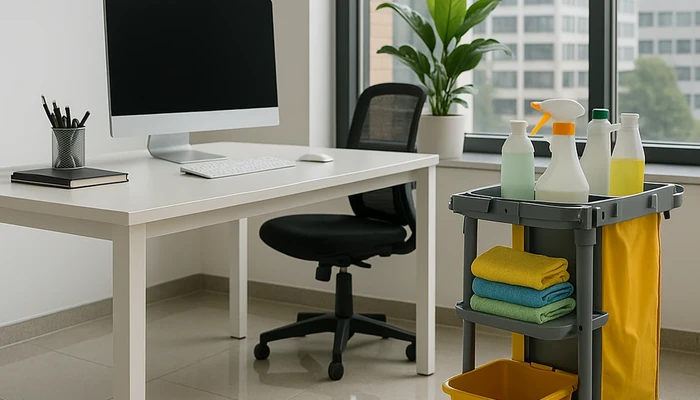
| Workstations | Wipe desks and phones, empty bins, dust electronics | Sanitize chair arms/keyboards | Deep clean carpets |
| Floors | Sweep and mop or vacuum | Spot treat stains | Full shampoo or machine clean |
Comparing DIY Cleaning vs. Professional Systems
- DIY Cleaning: Relies on available supplies and individual knowledge. Often misses hidden or less obvious areas, may lack proper timing, and quality fluctuates based on who is responsible.
- Professional Cleaning: Uses trained teams, systematic checklists, specialized equipment, and optimized chemical usage for different surfaces. Consistent schedules ensure even hidden or sensitive areas receive attention.
- Decision Tip: If your workplace or rental relies on first impressions and regulatory compliance, a professional system is strongly recommended.
Decision Framework: Choosing Your Cleaning Frequency and Level
Choosing the right service frequency is central to successful maintenance. Consider the following:
- Daily Cleaning: Public buildings, healthcare, food service, high-traffic offices.
- Weekly Cleaning: Standard for most commercial, Airbnb, and residential spaces.
- Monthly or Seasonal Deep Cleaning: Carpets, upholstery, walls, vents, and window cleaning benefit from deeper, scheduled attention.
- Event-Based: After construction, moves, or special functions, a one-time deep cleaning resets the environment.
Transparent schedules and communication with cleaning staff or service providers ensure expectations are consistently met.
Critical Protocols for Hygiene and Infection Control
Maintaining a professional environment means more than just clean surfaces—it requires protocols that protect health. Industry best practices include:
- Using color-coded cloths and mops to prevent cross-contamination (restroom vs. kitchen, etc.).
- Regular disinfection of high-touch points: doorknobs, light switches, elevator buttons, keyboards.
- Compliant waste disposal, especially for medical or food areas.
- Ensuring proper ventilation during and after cleaning.
Staying up-to-date with trusted industry resources like the Association for Professionals in Infection Control and Epidemiology (APIC) is essential for regulated spaces.
How Trained Staff Ensure Quality and Consistency
Professional outcomes depend on knowledgeable staff who follow reliable systems. Key factors include:
- Ongoing training in the latest cleaning and safety procedures.
- Use of detailed checklists and supervisor review.
- Clear communication with clients about specific concerns or requests.
- Commitment to using only safe and effective cleaning agents.
Well-trained teams help prevent overlooked areas, improper chemical use, and can adapt to unique facility requirements.
Product and Equipment Selection for Professional Results
Using the right products and equipment is essential for effective cleaning and long-term maintenance. Professional teams select supplies based on:
- Surface type (hard floors, carpets, electronics, fabric, glass, etc.).
- Degree of soiling and level of traffic.
- Allergy and environmental considerations.
- Appropriate tools for hazardous dust extraction or specialized applications—see Nilfisk hazardous dust control systems.
Professionals also ensure all equipment is cleaned and maintained after use to prevent cross-contamination.
Addressing High-Touch and Special Attention Areas
High-touch and overlooked spaces can undermine the perception of professionalism if neglected. Create a targeted checklist for:
- Door handles, keypads, elevator buttons
- Light switches, handrails, shared remote controls
- Breakroom appliances, kitchen cabinet pulls, sink fixtures
- Conference room equipment, chair arms, desktops
- Restroom dispensers, mirrors, partitions
Assign responsible persons or service intervals so nothing is missed, and adapt as occupancy levels change.
Common Factors Impacting Professional Standards
- Staff Turnover: Saa consistency by providing onboarding and regular refresher training.
- Seasonal Changes: Adjust cleaning for salt, snow, pollen, and increased illness transmission.
- After Hours Activities: Schedule post-event or construction cleaning as needed.
- Feedback Systems: Use client and staff feedback to improve results over time.
Preparation and Safety: Readying Your Space for Cleaning
Getting the most from your cleaning routine or service is easier with a bit of preparation:
- Clear clutter from desks, floors, and communal areas.
- Secure important documents and personal valuables.
- Notify cleaning staff about restricted areas or unique requirements.
- Communicate any known allergies, sensitivities, or surface damage.
This ensures efficiency, thoroughness, and respectful handling of your property.
Quality Assurance and Reviewing Results
Maintaining a professional standard is an ongoing process. Implement:
- Post-cleaning walkthroughs and spot-checks using written criteria.
- Documented incident or missed-area reports.
- Periodic review meetings with staff or your cleaning provider.
- Adjustment of checklists as areas or needs evolve.
Partnering with teams like CHICAGOLAND Cleaning Services ensures accountability and long-term satisfaction.
Integrating Hygiene with Other Workplace Protocols
Cleanliness must fit seamlessly with broader safety, security, and wellness initiatives. This includes:
- Coordinating with HVAC maintenance for air quality.
- Integrating cleaning with food safety and first aid systems.
- Ensuring all staff know basic emergency spill or contamination steps.
- Meeting any regulatory requirements—see Essential Steps To Comply With Health Standards.
Special Considerations for Sensitive and Regulated Environments
Some facilities—medical offices, daycares, restaurants—must go beyond standard cleaning due to regulatory and health standards. Unique considerations may include:
- Infection control logs
- Staff vaccinations or PPE use
- OSHA or health department requirements
Always use specialized services for these environments. For restaurant and medical office cleaning, including dental clinic protocols, CHICAGOLAND Cleaning Services can advise on compliance and best practices.
FAQ: Ensuring a Professional Environment with Proper Cleaning and Maintenance
- What are the core differences between residential and professional facility cleaning?
- Professional settings demand strict checklists, scheduled routines, and attention to areas that can impact business operations, client perception, and regulatory compliance. Residential cleaning focuses more on comfort, aesthetics, and daily living standards.
- How often should high-touch areas be cleaned?
- Depending on foot traffic and level of use, high-touch points should be disinfected at least once daily, often more in high-traffic environments.
- What are the most commonly missed areas?
- Items like light switches, chair arms, behind doors, appliance handles, and under furniture are frequently overlooked. Professional checklists help prevent these gaps.
- Which products are safe for electronics and sensitive equipment?
- Only use manufacturer-recommended wipes or solutions, and always spray cleaner onto a microfiber cloth (not directly onto devices) to avoid damage.
- How do you verify if your space is truly clean?
- Regular walk-throughs, UV inspections, and client feedback can identify overlooked areas. Track results and adjust checklists accordingly.
- Can eco-friendly products provide a professional standard?
- Yes—many professional cleaning companies use EPA-certified, eco-friendly solutions that are effective and safe for people and surfaces.
- What precautions are needed for medical, dental, or child-centric facilities?
- Strict protocols, staff training in infection control, verified disinfectants, and documentation of cleaning routines are all crucial. See more about these approaches at Maintaining Dental Clinic Cleanliness.
- Does frequency change during flu season or other outbreaks?
- Absolutely. Increase high-touch disinfection, enhance air quality controls, and encourage hand hygiene among all occupants.
- How should sensitive or valuable items be handled?
- Communicate special handling needs with staff or your professional cleaning provider prior to service, and store valuables in secure areas during cleaning.
- What are red flags when reviewing cleaning results?
- Dust or debris in corners, persistent odors, streaked glass, or skipped steps in checklists can signal inconsistency or lapses. Immediate feedback to staff helps resolve issues early.
Conclusion: Setting and Sustaining a Professional Cleaning Standard
Consistently clean and well-maintained environments enhance health, productivity, and reputation. By understanding core principles, applying proven checklists, using the right products, and training staff, you can confidently maintain any space to professional standards. If your needs extend to regulated medical, educational, or hospitality spaces, consult with specialists like CHICAGOLAND Cleaning Services for tailored programs. For specialized commercial services including event, retail, or office cleaning, consider scheduling an Office cleaning service or a post-event cleaning to uphold your professional image.
About CHICAGOLAND Cleaning Services
CHICAGOLAND Cleaning Services helps households and businesses in Chicago, Illinois and nearby areas keep their spaces clean and healthy. Specializing in recurring house cleaning, deep cleaning, move out cleanings, office cleaning, and special facility cleaning projects, our trained staff follow strict checklists, use professional equipment for each surface, and communicate transparently to ensure long-term satisfaction and compliance with safety standards. Trust our experience for results that exceed basic expectations—across homes, offices, and specialized environments.
cleaning commercial services in chicago, desk office disinfection chicago, office cleaning chicago il, conference room cleaning Rogers Park IL, office cleaning Evergreen Park, office breakroom cleaning Brookfield, conference room cleaning Algonquin IL, office trash removal Great Lakes, office restroom cleaning Yorkville, office workstations cleaning Naperville IL