Implement Rigorous Cleaning Protocols in Each Facility: A Comprehensive Guide
In today’s environment, maintaining clean and hygienic facilities is more important than ever. Whether you manage a busy office, operate an Airbnb, oversee a retail location, or simply want a safer home, understanding how to implement rigorous cleaning protocols in each facility can make all the difference for well-being and reputation. This guide provides an actionable roadmap for establishing effective cleaning procedures in different spaces, incorporating industry best practices, staff responsibilities, compliance, and practical checklists. By applying these insights, you will be able to minimize risks, uphold hygiene standards, and select the right professional support such as CHICAGOLAND Cleaning Services when needed.
Understanding the Need for Rigorous Facility Cleaning Protocols
No two facilities are the same: offices, homes, schools, medical spaces, and commercial buildings each face unique sanitation challenges. Implementing rigorous cleaning protocols in each facility helps:
- Prevent infection and disease transmission
- Protect occupants and employees
- Maintain compliance with local and federal health regulations
- Boost occupant confidence and organizational reputation
Research from organizations like the CDC highlights the critical link between cleaning frequency and reduced pathogen spread, especially in high-touch and high-traffic settings.
Key Steps in Developing Facility-Specific Cleaning Protocols
To build effective protocols, you should:
- Assess unique facility risks (e.g., visitor flow, vulnerable populations)
- List all spaces and surfaces requiring attention, prioritizing high-touch areas
- Choose suitable products for each material and usage area
- Establish routine cleaning frequencies (daily, weekly, after events, etc.)
- Document all processes in checklists and schedules
- Train staff thoroughly and regularly update protocols based on feedback
This structured approach ensures preparedness for audits and emergencies while maintaining continuous hygiene.
Assessment of Facility Types and Their Unique Requirements
Let’s examine how cleaning needs differ by environment:
| Facility Type | Typical Risks | Protocol Focus |
|---|---|---|
| Residences (apartments, homes, Airbnb) | Cross-contamination, allergens, guest turnover | Thorough cleaning between occupants, surface disinfection, allergen reduction |
| Offices & commercial workspaces | High-traffic touchpoints, shared devices | Routine cleaning of equipment, conference rooms, restrooms, HVAC grilles |
| Medical & dental facilities | Biohazardous waste, pathogen transfer | Sterilization, adherence to health standards, documented procedures |
| Restaurants & hospitality | Foodborne illnesses, regulatory compliance | Surface disinfection, non-toxic sanitizers, frequent kitchen cleans |
| Childcare & educational spaces | Infection spread, asthma triggers | Frequent toy and surface cleaning, extra attention to restrooms |
Risk Identification and Prioritization in Cleaning Protocols
Not all risks are created equal. Begin by identifying:
- High-traffic zones (lobbies, kitchens, shared spaces)
- Frequently touched surfaces (door handles, elevator buttons, light switches)
- Areas with vulnerable users (children, elderly, immunocompromised).
Prioritizing these spots helps focus resources where they matter most. Review findings and adjust protocols quarterly or when usage patterns shift.
Designing Effective Cleaning Schedules for Different Facility Types
Effective scheduling takes both traffic and risk into account. For example:
- Residential: Weekly deep cleaning, daily touch-up for kitchens/bathrooms
- Commercial offices: Nightly cleaning, midday touchpoint wipe-downs
- Medical environments: Multiple daily disinfections, strict protocols for treatment areas
- Daycares: Disinfecting after every activity, with routines before/after opening
Adapting frequency based on occupancy and usage is crucial. For more on high-traffic medical office routines, see this dedicated article.
Essential Steps for Implementing and Documenting Cleaning Procedures
Every successful protocol requires clear, documented steps. Typical actions include:
- Developing custom checklists for each space
- Selecting EPA-approved cleaning products
- Determining personal protective equipment (PPE) needs for staff
- Posting cleaning logs for oversight
- Retaining records for regulatory review or incident investigation
For restaurants, aligning with health guidelines is outlined in-depth here.
Creating Detailed Cleaning Checklists for Every Space
Facility checklists vary, but robust versions cover:
- Room and targeted surface list (floors, walls, high-touch points)
- Soap, sanitizer, and cleaning agent details per area
- Process timings and frequency
- Responsible party for each task
- Verification steps and signature/initials field
This approach ensures consistency—especially critical for spaces visited by public or at-risk populations.
Staff Training and Accountability in Cleaning Protocols
Personnel must be appropriately trained and equipped. Effective program elements include:
- Initial onboarding and demonstration of all processes
- Regular refreshers and spot checks to ensure adherence
- Visible cleaning schedules and accountability logs
- Clear communication on product safety and emergency protocols
Continuous education ensures protocols are followed correctly and adapted to incorporate new best practices.
Compliance with Health and Safety Regulations
Facilities operating in Chicago, Illinois must comply with local and federal guidelines, including OSHA and CDC standards. Attention to regulations around chemical storage, signage, and incident reporting can prevent liability. For specialized settings (lab spaces, medical, daycare), leverage resources from OSHA and consult internal policies. For current research on hand hygiene and its role in facility cleaning, visit the CDC resource center.
Monitoring, Recordkeeping, and Feedback Mechanisms
Continuous improvement requires transparent documentation – cleaning logs, inspection records, and feedback channels for occupants. Sample monitoring steps:
- Digital or paper logbooks for daily tasks
- Routine supervisor spot-checks
- Anonymous feedback forms for facility users
- Incident tracking for missed procedures or accidents
This allows protocols to be updated and improved over time, ensuring long-term consistency and compliance.
Addressing Special Considerations (Children’s Spaces, Healthcare Facilities, and More)
Some facilities carry elevated risks or legal duties, demanding additional care:
- Childcare and educational centers: Frequent sanitization, allergy awareness, using only non-toxic products. Explore infection-reducing strategies in this resource.
- Dental/medical offices: Instrument sterilization, documented waste disposal, precise recordkeeping. See more on maintaining dental clinic standards here.
- Restaurants and retail: Health inspector-aligned surface decontamination, special attention to food-contact zones.
Protocols must evolve as best practices and regulations update.
Comparing DIY Protocol Development vs. Professional Cleaning Services
- DIY: Direct control, possible cost savings, but higher time and compliance responsibility
- Professional Services (like CHICAGOLAND Cleaning Services): Consistency via trained staff, insured work, and adherence to current health and safety standards, with flexible options for recurring, deep, or specialty needs
For complex settings (healthcare, daycare, hospitality), partnering with professionals ensures regulatory compliance and peace of mind.
How to Evaluate and Select a Professional Cleaning Partner
Use this decision framework:
- Reputation and references: Seek transparent reviews from similar facility types
- Scope of services: Ensure capability for your facility’s specific needs (deep cleaning, move out, special surfaces)
- Certifications and staff training: Check for regular training, use of up-to-date protocols
- Flexibility and responsiveness: Can they adapt to schedule changes and emergencies?
- Communication and documentation: Clear point of contact and service logs
CHICAGOLAND Cleaning Services offers tailored options for residential and commercial facilities, always focusing on quality standards and clear client communication.
Case Examples: Protocols Adapted for Real-World Facilities
Example 1 – Residential High-Turnover (Airbnb)
- Guest departure checklist: linens, kitchen, bathroom, trash
- High-touch disinfection: remote controls, light switches, handles
- Documentation: completion log before check-in
Example 2 – Office Suite Cleaning
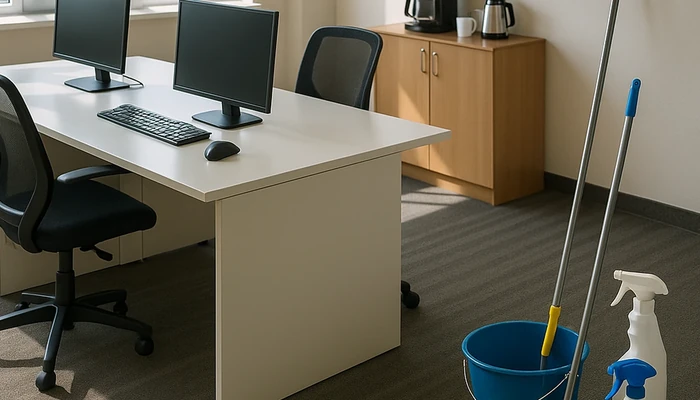
- Scheduled nightly cleaning: desks, shared spaces, restrooms
- Weekly deep cleaning: carpets, HVAC vents, under furniture
- Quarterly audits: management review of cleaning logs
Example 3 – Childcare Facility
- Multiple daily sanitizations of toys and restrooms
- Natural, kid-safe cleaning products for all surfaces
- Allergy management: dedicated protocols for lunch/snack areas
Maintenance and Continuous Improvement of Cleaning Protocols
Periodic review and adaptation is vital:
- Conduct annual protocol audits and adjust for new research or facility changes
- Gather team and occupant feedback quarterly
- Update logs and checklists accordingly
This lifelong cycle keeps your facility’s cleaning standards ahead of regulatory requirements and supports the health of all users.
Frequently Asked Questions About Facility-Wide Rigorous Cleaning Protocols
- How often should cleaning protocols be updated?
- Protocols should be formally reviewed yearly or when new regulations are introduced, and informally adjusted whenever building use or occupancy patterns change.
- What are the top priorities for cleaning in high-traffic areas?
- Focus on disinfecting high-touch surfaces (door handles, railings, switches) and restrooms multiple times per day, as outlined in CDC guidance.
- Are the cleaning products used in protocols safe for all surfaces?
- Products should be chosen based on surface compatibility and safety for occupants, with special consideration for children and those with allergies.
- What recordkeeping is required for compliance?
- Maintain daily cleaning logs, product use records, and waste disposal logs for inspection, especially in regulated environments like childcares and healthcare facilities.
- How is staff held accountable for following protocols?
- By using checklists, routine spot-checks, and requiring supervisor sign-offs.
- Can rigorous cleaning protocols prevent infection outbreaks?
- While no approach guarantees zero risk, following strict protocols greatly minimizes transmission, as supported by CDC studies.
- What training should cleaning staff complete?
- Staff should be trained on equipment, chemical safety, emergency handling, and specific protocols for each facility type. Training should be refreshed regularly.
Conclusion: Putting Rigorous Cleaning Protocols Into Action
Implementing rigorous cleaning protocols in each facility is fundamental to health, compliance, and long-term peace of mind. With well-constructed checklists, regular staff training, and ongoing feedback, even complex environments can be kept safe and welcoming. If you are seeking reliable support from a professional team specializing in recurring or specialty cleaning, CHICAGOLAND Cleaning Services is ready to help you maintain high standards across every location.
About CHICAGOLAND Cleaning Services
CHICAGOLAND Cleaning Services helps households and businesses in Chicago, Illinois and nearby areas keep their spaces clean and healthy. Specializing in recurring house cleaning, deep cleaning, move out cleaning, office cleaning, and specialized facility cleaning, our trained team uses professional products and consistent protocols to deliver outstanding results every time. We emphasize client trust, safety, and compliance in every project.
commercial cleaning service chicago, office restroom cleaning chicago, open office cleaning chicago, office workstations cleaning Countryside, office cleaning Barrington IL, open office cleaning Evergreen Park IL, office trash removal Alsip, conference room cleaning Elgin IL, office cleaning Great Lakes, Franklin Park office cleaning