Key Zones for Cleaning in Different Settings: What Professionals Target
When it comes to a truly clean home or business, not all areas are created equal. Professional cleaners know that focusing on key zones for cleaning in different settings delivers better hygiene, comfort, and peace of mind. Whether you manage an apartment, lead a busy office, run an Airbnb, or oversee a specialized facility, knowing which high-priority spots matter most can make all the difference. In this comprehensive guide, you’ll discover how expert cleaning teams like those at CHICAGOLAND Cleaning Services approach critical zones in various environments, what checklists and protocols they use, and how to recognize quality outcomes tailored to your unique space. You’ll also find decision guides, hygiene tables, and insights to help you choose the right cleaning company and schedule for your needs.
Identifying Critical Cleaning Zones: Principles and Prioritization
Every environment has its own traffic patterns, touch-points, and risk areas. Professional cleaners assess these using a combination of industry experience, health guidelines, and custom checklists. Here’s how key zones are typically identified in different settings:
- High-touch points: Handles, buttons, railings, switches, and faucets common to all environments.
- High-traffic areas: Entrances, corridors, lobbies, and shared spaces with frequent movement.
- Functional zones: Areas designed for specific activities—kitchens, washrooms, workstations, or waiting rooms.
- Special safety or regulatory areas: Locations where targeted cleaning is required by law, such as medical or childcare environments.
Professional teams use checklists adapted to the unique demands of each setting and regularly update these based on new health guidelines and building usage. For example, APIC’s infection prevention resources inform critical cleaning standards in healthcare settings.
Comparing Key Zones: Homes vs. Offices vs. Specialized Facilities
No two spaces are exactly the same. Consider how different the needs are between a busy dentist’s office and a downtown apartment. The table below summarizes typical key cleaning zones by environment:
| Setting | Key Zones | Priority Level |
|---|---|---|
| Home/Apartment | Kitchens, bathrooms, entryways, doorknobs, remotes, switches, floors | High |
| Airbnb/Short-term rental | All “home” areas plus guest essentials (fridge, linens, bathroom fixtures) | Highest |
| Office | Desks, phones, keyboards, breakroom surfaces, restrooms, conference tables | High |
| Medical facility | Patient chairs, exam tables, sinks, waiting area, high-traffic touchpoints | Critical |
| Childcare/Education | Toys, learning materials, classroom tables, restrooms, cubbies, nap mats | Critical |
| Restaurant/Retail | Countertops, door handles, POS terminals, backroom surfaces, bathrooms | High |
Understanding these differences helps tailor cleaning approaches for better results and compliance. For specialized guidance, regulatory resources such as ASHRAE’s filtration and disinfection guidelines offer industry-approved frameworks.
High-Touch vs. High-Traffic: Decoding the Hygiene Hotspots
Two words come up repeatedly in professional cleaning: high-touch and high-traffic zones. Let’s break down why these matter and where you’ll typically find them in everyday and commercial spaces.
- High-Touch Examples: Light switches, appliance handles, faucet levers, phones, keyboards, elevator buttons, remote controls, rails.
- High-Traffic Examples: Lobby floors, elevators, stairwells, corridor carpets, waiting areas, entrances.
Professional cleaners often use color-coded tools and specially labeled checklists to ensure these areas get detailed attention. This significantly reduces germ transmission and improves health outcomes, especially in facilities catering to vulnerable populations.
Room-by-Room Breakdown: Key Zones in Residential Cleaning
In homes and apartments—including Airbnbs—focus usually centers on areas where people eat, bathe, and gather. Here’s a structured checklist for primary rooms:
- Kitchen: Countertops, sink/faucet, appliance pulls, cabinet handles, dining table, fridge door, backsplash.
- Bathroom: Toilet (all touch surfaces), faucet handles, sink area, shower/tub fixtures, mirror edges, doorknobs, floor edges.
- Living areas: Remote controls, armrest areas, side tables, light switches, stair railings, pet areas.
- Entryways: Door handles, shoe mats, closet handles/floor, mail slots.
- Bedroom: Nightstand, switch, dresser handles, laundry basket, bedding (if laundry service is included).
For short-term rentals, the expectation is even higher—guests scrutinize cleanliness, so every high-touch and guest-facing item is double-checked.
The Decision Framework: Selecting Zones for Commercial Cleaning
Choosing key cleaning zones for an office or workplace is more than just following a standard list. Professional cleaning companies assess:
- Traffic flow and density: Which paths, rooms, or areas are most frequently used?
- Shared equipment or furniture: Items like copiers, kitchen appliances, phones, and desktops.
- Room function: Meeting rooms and rest areas may need attention before and after use.
- Staff or visitor demographics: More vulnerable populations or high-activity zones get additional focus.
- Compliance needs: Medical, legal, or childcare environments have specific health standards (see how to comply with health standards).
This process ensures resources go where they matter most, promoting both wellness and operational efficiency.
Specialized Settings: Key Zones in Medical, Dental, and Educational Facilities
Facilities like clinics, dental offices, and schools have unique cleaning zone requirements, often governed by health regulations. In these environments, cleaners are trained to:
- Identify patient or child contact surfaces (desks, exam chairs, classroom tables)
- Use hospital-grade disinfectants and prescribed dwell times
- Clean and sanitize shared equipment after each use (e.g., thermometers, tablets)
- Pay close attention to bathroom and hand-washing areas
Consequences of missing a critical zone are higher—see best practices for high-traffic areas in medical offices and tips for dental clinic cleanliness.
Understanding Cleaning Products and Tools for Key Zones
Professional cleaning companies select products based on surface type, allergen/scent considerations, and local regulations.
- Kitchens: Degreasers and food-safe disinfectants; non-abrasive sponges/equipment.
- Bathrooms: Acidic cleaners for lime/mineral buildup; disposable wipes for fixtures.
- Floors: Microfiber mops for dust and germ removal; neutral pH cleaners on sensitive floors.
- Medical/Childcare: EPA-approved disinfectants, color-coded rags to avoid cross-contamination.
Using professional-grade equipment ensures deeper cleaning, greater consistency, and reduced risk of damage.
Frequency and Scheduling: How Often Should Key Zones Be Cleaned?
Frequency depends on occupancy, use, and risk profile. Here’s a practical matrix:
- Daily: Bathrooms, kitchen counters/sinks, restroom touchpoints, communal desks.
- Weekly: Under furniture, less-used corners, deep-cleaning of appliances, air vents.
- After each use: Patient rooms, therapy equipment, classroom items, client-facing restrooms (see reducing infection in childcare).
- Monthly/Quarterly: Behind appliances, baseboards, air ducts/filters, deep carpet cleaning.
Adapt schedules to the specific needs of your property, and reassess after changes in usage or during outbreaks.
Decision Guide: Choosing a Cleaning Company That Targets Key Zones
Not all cleaning companies are equally thorough. Here’s what to ask or look for when evaluating professional cleaners for varied settings:
- Customized checklists: Ask if they adapt their checklist for your facility and share examples.
- Staff training: Inquire about cleaning protocols, especially for sensitive settings.
- Product selection: Request info on what products/tools they use and allergen considerations.
- Quality control: Look for companies with inspection protocols and responsive customer service.
- Health compliance: For medical, childcare, or food service: confirm understanding of standards (compliance steps here).
If you need help for offices or specialized spaces, consider Office cleaning service or discover Airbnb turnover cleaning from a trusted local provider.
Checklist Example: What a Professional Cleaning Team Does for Key Zones
To illustrate how key zones are addressed, here’s a sample workflow for a standard cleaning visit in an office:
- Disinfect door handles, push plates, and elevator buttons upon entry
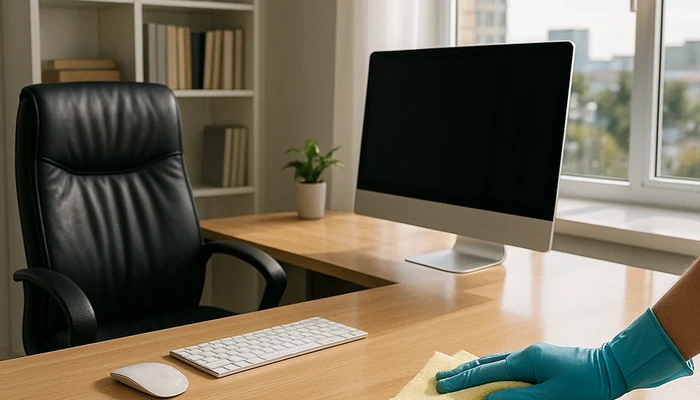
- Wipe and sanitize all desk surfaces, phones, and shared keyboards
- Vacuum high-traffic floors, then mop with hospital-grade disinfectant
- Empty trash and sanitize bins—paying special attention to food areas
- Detail sinks, faucets, and towel dispensers in restrooms
- Clean shared appliances in breakrooms (microwave, fridge handles)
- Spot-clean conference and waiting areas between meetings
In apartments and homes, priorities shift to kitchen/bathroom surfaces, floors, and guest bedding and towels (for short-term rentals).
Case Comparison: Homeowner, Landlord, Business Owner, Facility Manager
Each stakeholder views key zones from a different perspective. Here’s a quick scenario comparison:
- Homeowner: Focused on hygiene for family, especially with pets or small children; interested in allergen removal and deep kitchen/bath cleaning.
- Landlord: Prioritizes turnover cleaning for new tenants, ensuring visible and hidden zones (like under appliances) are spotless.
- Business owner: Wants consistent and reliable cleaning of desks, lobbies, and restrooms to ensure employee safety and client impressions.
- Facility manager (medical/childcare): Demands compliance with strict zone targeting as per health regulations, documented processes, and log sheets.
Knowing what matters most to you guides your expectations and helps you communicate priorities with your cleaning provider.
Red Flags: Signs a Key Zone Was Missed
How can you tell if a cleaning company is missing important spots? Watch out for these signs:
- Sticky or smudged handles and switches
- Dust on baseboards, vents, or behind electronics
- Lingering odors in restrooms or kitchens
- Visible grime in corners, under mats, or behind doors
- Inconsistent towel/paper restocking or trash removal
- Recurring user complaints about restrooms or workspace surfaces
Reliable companies provide feedback channels and correct missed zones promptly.
Practical List: Preparing Your Space for a Cleaning Visit Targeting Key Zones
Maximize the results of your cleaning service by doing the following before your team arrives:
- Declutter work areas and common spaces (move paperwork, toys, dishes)
- Highlight any recent spills, stains, or hot spots needing extra attention
- Secure valuables and confidential documents as appropriate
- Communicate allergies or special product preferences in advance
- For active businesses, arrange work schedules to allow access to all areas
Providing these details helps cleaners focus on critical zones efficiently.
Optimizing Long-Term Hygiene: Scheduling and Seasonality Insights
Seasonal shifts and special events affect cleaning priorities. For example:
- Winter: Emphasize entry mats, salt/debris removal, forced-air vent cleaning.
- Spring: Add deep window washing, allergy-control cleaning (carpet/upholstery).
- After parties/holidays: Focus on kitchen, bathrooms, public/shared spaces.
Adjusting your cleaning zones to match real-world activity ensures optimal hygiene and client satisfaction all year round.
FAQ: Key Zones for Cleaning in Different Settings
- Which zones are most often missed in professional cleaning?
- Low-level touchpoints like baseboards, door frames, and under handles are frequently overlooked. Specialty tools and checklists help address these.
- How do cleaning standards differ between offices and homes?
- Offices require consistent attention to shared equipment and communal areas, while homes focus more on food prep and bathroom sanitation. Regulations for offices may also mandate specific protocols.
- Are specialized cleaners needed for medical or childcare spaces?
- Yes. Professionals use EPA-approved disinfectants, follow regulatory standards, and train staff in infection prevention. See links to health guidelines above for more details.
- How do I make sure my cleaning company follows a thorough checklist?
- Ask for a copy of their checklist, request walk-throughs after initial visits, and provide feedback on priority zones for your space.
- What are signs of a high-quality cleaning protocol for key zones?
- Regular checklist updates, use of color-coded tools for hygiene, staff training in new protocols, and transparency in product selection.
- Can the same methods be used for homes and offices?
- The core approach—targeting high-touch and high-traffic areas—applies everywhere, but tools and products must be chosen for each environment’s surfaces and risks.
- What steps should I take if I have allergies or sensitive occupants?
- Communicate allergies or sensitivities in advance so teams can choose fragrance-free or hypoallergenic products for key cleaning zones.
- How often should key zones be disinfected in high-use spaces?
- Daily or even between shifts for high-traffic or shared areas. More frequent schedules are recommended during flu season or outbreaks.
Conclusion: Setting a New Standard for Hygienic Spaces
Knowing the key zones for cleaning in different settings helps you achieve high hygiene standards whether you own, lease, or manage a property. Professional teams like CHICAGOLAND Cleaning Services use a combination of expert checklists, staff training, and tailored cleaning protocols to ensure every critical area is addressed. With clear insights and a thoughtful decision-making framework, you can create safer, healthier, and more comfortable environments—at home and work.
About CHICAGOLAND Cleaning Services
CHICAGOLAND Cleaning Services is a professional cleaning company dedicated to helping households and businesses in Chicago, Illinois and nearby areas keep their spaces clean and healthy. With expertise in recurring house cleaning, deep cleaning, move out cleaning, office cleaning, and specialized facility cleaning, our trained staff use proven checklists, industry-approved products, and a commitment to hygiene and client relationships. We offer flexible scheduling and transparent communication to deliver reliable, detail-oriented results you can trust.
commercial chicago cleaning contractors, office trash removal chicago, office cleaning chicago il, Crystal Lake office cleaning, office trash removal Aurora IL, office breakroom cleaning Spring Grove, office cleaning Lake Villa IL, office cleaning in Westmont, office cleaning in Hanover Park IL, Markham office cleaning