
Office Storage Cleaning And Maintenance: The Complete Guide For Chicago Workspaces
In today’s dynamic office environments, storage spaces often hide more than just supplies—they sometimes conceal dust, clutter, and potential health risks. Office Storage Cleaning And Maintenance is essential not only for aesthetics and productivity, but for employee well-being and operational safety. This guide from CHICAGOLAND Cleaning Services reveals how to properly assess, clean, and maintain your office storage systems, drawing on best practices, professional insights, and Chicago-specific needs. Whether you manage a bustling office or a boutique workspace, you’ll discover actionable frameworks, maintenance schedules, and expert checklists to support safer, more efficient workplaces.
Understanding the Unique Challenges of Office Storage Cleaning
Unlike general office cleaning, addressing storage areas means tackling spaces with high turnover of items, infrequent visibility, and often overlooked hygiene issues. Offices store everything from archived documents to cleaning chemicals and personal belongings. These diverse contents present challenges such as:
- Accumulated dust and allergens in underused spaces
- Pest risks due to food storage or forgotten supplies
- Item cross-contamination (e.g., mixing cleaning chemicals with kitchenware)
- Disorganized layouts that impede emergency access or efficient operations
Cleaning professionals must understand the specific challenges your workplace faces and adapt their approach accordingly.
Categories of Office Storage Spaces: What Needs Cleaning?
To build an effective cleaning program, first identify the types of office storage you have. Each comes with distinct cleaning and organizational needs. Common categories include:
- Document storage rooms: Paper files and archives; risk of dust, mold, and pests.
- Supply closets and cabinets: Cleaning chemicals, tools, and communal equipment.
- Breakroom storage: Food, utensils, dishes — at high risk of spills and bacteria.
- IT and electrical storage: Electronics, cables, backup devices; sensitive to dust and static.
- Personal storage lockers: Employees’ private items; potential for forgotten food and garbage.
Take inventory of all designated storage spaces before planning your cleaning strategy.
Best Practices for Office Storage Organization and Hygiene
Well-organized storage not only looks better—it makes thorough cleaning possible. Professional cleaning teams like CHICAGOLAND Cleaning Services recommend these critical organization and hygiene steps:
- Sort items by frequency of use and category
- Use clearly labeled containers (preferably non-porous and washable)
- Maintain a separation between food, cleaning chemicals, and office supplies
- Keep items off the floor wherever possible (use shelving/racks)
- Schedule regular purges of outdated or expired materials
- Log all storage access and cleaning in a shared maintenance document
These practices help reduce risks of contamination, loss, and clutter.
Developing a Storage Cleaning Routine: Frequency & Scheduling
Determining how often to clean storage spaces depends on multiple factors:
- Type and use of storage (e.g., food requires more frequent cleaning than archives)
- Number of users (communal storage vs. individual)
- Presence of high-risk items (chemicals, perishables, personal effects)
- Environmental factors (humidity, pests, dust levels in Chicago’s seasons)
| Storage Type | Spot Cleaning | Routine Cleaning | Deep Cleaning |
|---|---|---|---|
| Breakroom cabinets | Daily | Weekly | Monthly |
| Supply closets | Weekly | Monthly | Quarterly |
| Document rooms | Monthly | Quarterly | Annually |
| IT storage | Monthly | Quarterly | Annually |
| Personal lockers | Weekly | Monthly | Semi-annually |
Adjust cleaning schedules if your storage areas see higher-than-average use, seasonal fluctuations, or frequent movement of goods.
Essential Office Storage Cleaning Supplies and Safety Gear
Effective office storage cleaning demands the right supplies and safety equipment. Prepare with:
- Microfiber cloths (traps dust)
- Disinfectant sprays (EPA-registered preferred)
- Spill-proof mop or vacuum for hard floors
- Protective gloves, masks, and goggles (especially when handling chemicals or mold risk areas)
- Labeling stickers and permanent markers
- Dedicated bins for trash, recycling, and document shredding
Review the CDC’s cleaning and disinfecting best practices for guidance on product choices and safe handling, adapted for workplace environments.
Step-by-Step Framework: Cleaning an Office Storage Area
- Preparation: Announce cleaning in advance, remove all contents, and inspect area for hazards (pests, spills, mold, etc.).
- Surface Dusting: Start top-down with dry microfiber cloths. Don’t overlook shelves, ledges, door frames, and vents.
- Disinfection: Use an appropriate disinfectant spray on all touchpoints—shelves, door handles, bins. Let air dry if possible.
- Restocking and Reorganization: Purge expired/unused items; categorize by type and label. Don’t reintroduce clutter or spills.
- Floor Cleaning: Sweep, vacuum or mop as needed, especially under shelving.
- Final Check: Inspect for overlooked items and confirm logging/maintenance notes.
Professional cleaners always reference a standardized storage cleaning checklist to ensure no step is skipped.
Storage-Specific Cleaning Checklists for Different Office Areas
Each office storage type benefits from tailored attention. Use these example checklists to guide your next cleaning.
For Document Storage Rooms
- Inspect for water/mold damage
- Dust shelves, boxes, and files gently (avoid spreading papers)
- Shred outdated documents responsibly
- Disinfect handles and light switches
For Breakroom and Kitchen Storage
- Empty all expired food and beverages
- Wipe down shelves, drawers, and cabinet doors
- Disinfect communal appliances and bins
- Check for pest activity
For IT Equipment Storage
- Unplug equipment before moving/cleaning
- Use static-free wipes or air dusters
- Label cables and devices
- Avoid liquid near sensitive electronics
For more cleaning protocols for specialized workspaces, see guides like Maintaining Dental Clinic Cleanliness or cleaning high-traffic areas.
Pest Prevention and Control in Storage Areas
Pests seek out storage for warmth, food, and nesting. Minimize risk through careful maintenance:
- Store all food in sealed containers in breakroom/kitchen areas
- Clean up spills and crumbs immediately
- Regularly inspect for signs of pests (droppings, damage, odors)
- Seal cracks or gaps in walls, cabinets, or floors
- Partner with licensed pest control as needed
Evidence of pests requires prompt response—not just cleaning, but root cause repairs.
Minimizing Cross-Contamination Risks in Office Storage
Cross-contamination often begins in shared storage, especially when spaces are used for both food and non-food items. Professionals recommend these layers of protection:
- Dedicated shelves or sections for each category: food, chemicals, tools, office supplies
- Color-coded bins to visually differentiate item types
- Never store cleaning products above edible supplies or dishes
- Encourage staff to use gloves when handling shared items
Following a strict separation framework reduces the risk of both illness and chemical hazards.
Digital vs. Physical Storage: Cleaning and Maintenance Differences
While digital file management and physical storage cleaning are separate, there are overlaps in organization, periodic reviews, and security. For physical storage, regularly:
- Archive or dispose of outdated files (using shredding for confidential items)
- Review digital inventory to match physical supplies—ensure nothing is lost or duplicated
For IT rooms, follow manufacturers’ instructions for device sanitization. For digital records, periodic audits reduce unnecessary printouts and clutter.
Professional vs. DIY Office Storage Cleaning: What’s the Difference?
While DIY cleaning can handle light organization, professionals like CHICAGOLAND Cleaning Services bring added value:
- Trained protocols for infection prevention
- Team capacity for deep cleaning during off-hours
- Use of commercial-grade products and precise checklists
- Documentation for compliance with health and safety standards
- Flexible scheduling to minimize disruption
Explore how professional Office cleaning service improves the quality and consistency of your workplace maintenance.
Compliance with Health, Safety, and Industry Standards
Chicago-area businesses must adhere to OSHA and CDC protocols regarding safe storage and cleaning of workplace environments. Key requirements:
- Maintain safety data sheets (SDS) for all chemicals stored onsite
- Label all storage spaces clearly
- Keep emergency exits and utility panels unblocked at all times
- Document routine and deep cleaning (schedule, checklist, responsible parties)
For compliance-focused facilities, review resources like complying with health standards and industry-cleaning innovations for up-to-date practices.
Preparing Your Office for Storage Cleaning Visits
To optimize professional or scheduled DIY cleaning:
- Notify staff in advance and share cleaning dates
- Instruct occupants to clear personal items from lockers or shared storage if possible
- Create a map or list of all storage locations in the office
- Designate someone to unlock/secure restricted storage as needed
Preparation boosts cleaning efficiency and helps ensure nothing is missed in hidden spaces.
Case Study: Transforming Office Storage in a Chicago Workspace
Consider a recent example where a Chicago legal firm faced rising office clutter, frequent lost files, and occasional breakroom odors. After consulting with CHICAGOLAND Cleaning Services:
- All storage rooms and lockers were mapped and inventoried
- Items were purged or reorganized into labeled, sealed containers
- Pest prevention protocols were introduced (evidence found at back of supply closet)
- Breakroom schedule implemented for daily wipe-down and monthly deep cleans
- Compliance documents and logs maintained for audit readiness
The result: improved organization, cleaner storage, and positive feedback from staff—significantly reducing productivity loss due to misplaced items.
Integrating Storage Maintenance into Overall Office Cleaning Plans
Storage cleaning shouldn’t be isolated. Instead, build it into a broader cleaning workflow with:
- Routine checks during regular office cleaning sessions
- Monthly reviews to spot organizational drift or new risks
- Scheduled deep cleans tied to season changes or after major office events
- Staff reminders about correct storage habits
For integrated approaches, see advice on reducing infections and cleaning high-traffic workspaces.
FAQ: Office Storage Cleaning And Maintenance
- How often should office storage areas be professionally cleaned?
Breakrooms and frequently accessed closets often need cleaning weekly or monthly. Archive storage can be addressed quarterly or annually, but every site in Chicago may require adjustments for climate and usage. - What cleaning agents are safe for document and file storage?
Stick to low-moisture and non-abrasive cleaning products. Avoid spraying liquids directly onto shelves with paper. EPA-registered disinfectant wipes are often safest. - Who should be responsible for maintaining storage cleanliness?
Assign staff for daily spot checks, but rely on professionals for deep cleaning and compliance documentation. - Can improper storage maintenance affect workplace health?
Yes. Cluttered or unclean storage enables pests, bacterial growth, and trip hazards, which can undermine both productivity and health. - How do you handle personal lockers and employee privacy?
Softly remind users before scheduled cleanings. Cleaning inside private lockers requires consent, but communal surfaces should always be sanitized. - Are there legal standards for storage cleaning in offices?
OSHA (and local Chicago ordinances) require safe, accessible storage, proper chemical labeling, and sanitary breakrooms. - Should you use professional cleaners for small offices?
Even small offices benefit from periodic deep cleaning for storage areas, especially those storing food, chemicals, or important documents. - What’s the best way to organize storage for easy cleaning?
Group items by type and frequency of use, maintain labeled containers, keep floors clear, and use a shared log for inventory and cleaning duties. - Does humidity affect storage cleaning needs in Chicago?
Yes—especially in spring and summer, local humidity can increase risks of mold and pest problems in office storage. - How are safety risks managed during professional storage cleaning?
Professionals use appropriate PPE, safe cleaning agents, and clear documentation to reduce cross-contamination and protect both staff and property.
Wrapping Up: Next Steps for Smarter Storage Maintenance
Maintaining clean and organized office storage is more than just tidiness—it’s a key driver of health, safety, and operational efficiency for Chicago workplaces. Review your current storage systems, implement routine and deep-cleaning protocols, and empower your team to uphold high standards. For advanced solutions, explore Office cleaning service or Retail store cleaning from local experts.
About CHICAGOLAND Cleaning Services
CHICAGOLAND Cleaning Services helps households and businesses in Chicago, Illinois and nearby areas keep their spaces clean and healthy. With trained professionals, transparent pricing, and extensive experience in recurring house cleaning, deep cleaning, move out cleaning, office and specialty facility cleaning, we are committed to quality and client satisfaction. Our team uses professional products and proven protocols to care for everything from workstations to office storage—and values long-term relationships built on trust and outstanding service.
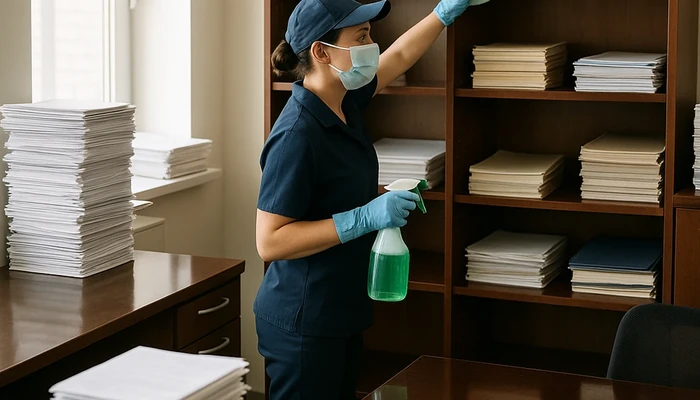
cleaning commercial service in chicago, conference room cleaning chicago, office breakroom cleaning chicago, open office cleaning Park Ridge IL, Itasca office cleaning, office restroom cleaning Vernon Hills IL, office cleaning in Glendale Heights IL, Bradley office cleaning, office breakroom cleaning Riverwoods IL, office cleaning in Lake Villa