
Retail Store Cleaning: How to Keep Floors Looking New Without Over-Stripping
Maintaining flawless, appealing floors is essential for retail stores—not only for safety and hygiene but for brand perception and customer experience. Yet, the temptation to over-strip floors in search of that just-like-new shine can lead to premature wear, costly damage, and compliance headaches. In this comprehensive guide on retail store cleaning: how to keep floors looking new without over-stripping, you’ll get a practical roadmap to balancing aesthetics with preservation. Learn the science behind proper maintenance, decision frameworks for cleaning frequency, and actionable checklists developed by professional teams like CHICAGOLAND Cleaning Services. Whether you manage daily operations or are vetting cleaning vendors for your Chicago store, this article will help you safeguard your floors and avoid common pitfalls.
The Science of Retail Floor Materials: Understanding Your Starting Point
Retail store floors vary widely in composition—from vinyl composition tile (VCT) to luxury vinyl, ceramic, stone, and sealed wood. Each material reacts differently to strippers, detergents, and physical agitation.
- VCT and resilient flooring: Most common in high-traffic retail due to durability but require periodic finish and careful stripping schedules.
- Sealed or waxed wood: Sensitive to moisture and harsh chemicals; easily damaged by excessive stripping.
- Ceramic and stone: Less likely to be stripped but need tailored solutions for grout and non-slip concerns.
First, identify your floor type and any existing coatings. Not sure? Professional assessment can prevent expensive mistakes.
Why Over-Stripping Happens—and Its Consequences
Many retail floors lose their luster faster than they should because of aggressive chemical use or overly frequent stripping processes. This can occur when:
- There’s confusion over whether buildup is dirt or old finish.
- Staff use one-size-fits-all schedules.
- Improper equipment or products are chosen for the surface type.
Consequences:
- Surface etching or permanent dullness.
- Increased slip-and-fall risk as floor protection wears thin.
- Inefficient use of staff time and chemical resources.
- Shortened flooring lifespan, raising long-term costs.
Establishing Floor Appearance Standards Without Over-Stripping
Stop thinking of “like new” as “stripped to bare”. Instead, define what visually clean, safe, and acceptable shine levels look like for your space. Standards should consider:
- Foot traffic patterns (main aisles vs display corners).
- Lighting, which highlights scratches or streaks.
- Brand image requirements.
Set clear targets for sheen, reflectivity, and cleanliness—preferably with photo guides—to avoid unnecessary stripping “just in case.” Include these standards in your staff training programs.
Routine Floor Cleaning Methods That Protect the Finish
The majority of floor appearance issues can be solved with diligent routine cleaning, not heavy-handed restorative work. Core methods include:
- Daily dust mopping: Removes gritty particles before they scratch finishes.
- Damp mopping: Use neutral-pH, non-stripping cleaners suitable for your floor material—never hot water on waxed floors.
- Spot scrubbing: Target sticky spills immediately to prevent etching or absorbed stains.
Professional crews should train retail staff on product dilution, tool care (like changing mop heads regularly), and safe cleaning corridors to reduce slip risk.
When Is Stripping Actually Necessary? A Retail Decision Checklist
Before stripping, assess if restoration is really needed. Use the following decision checklist:
- Visual Test: Is the floor dull in isolated spots or store-wide?
- Water Test: Does water bead (protected) or soak in (finish worn)?
- Adhesion Check: Does a fresh coat of finish adhere evenly after micro-abrasion?
- Slip Test: Any increased slipperiness, even if shine remains?
- Spot-Strip: Can you restore appearance locally, or does the whole floor need it?
If only 1–2 areas fail, consider a localized scrub and recoat or restorative clean, not a full strip.
Maintenance Schedules: Building a Calendar for Floor Longevity
Over-stripping most often occurs due to inflexible or outdated routines. Instead, build your schedule around observed patterns and traffic, not tradition.
Table: Sample Floor Maintenance Frequency by Traffic Level
| Traffic Level | Dust Mop | Damp Mop | Burnish | Scrub/Recoat | Full Strip |
|---|---|---|---|---|---|
| Low | Daily | 2x/week | Monthly | 3–6 months | 12–24 months |
| Medium | Daily | Daily | Biweekly | 1–2 months | 12 months |
| High | 2x/day | Daily | Weekly | Monthly | 6–9 months |
- Adjust frequency for Chicago’s winter and rainy seasons (more tracked-in grit).
- Log every intervention so you can spot overuse or missed steps.
Safe Product Selection: Chemistries That Don’t Strip Unnecessarily
Select floor cleaners and finishes matched to your material. The Environmental Protection Agency offers up-to-date advice on environmentally safe cleaning chemistries—an increasingly important factor for retail operations.
- Neutral cleaners: Clean without dulling most sealed floors.
- High-performance microfiber: Lifts debris with less chemical.
- Use only manufacturer-approved strippers; avoid legacy solvent-based formulas for modern resilient flooring.
Spot test all new products. Train staff or vendors on proper dilution and dwell times.
Tools of the Trade: Equipment That Preserves Floor Life
The right equipment minimizes wear and maximizes cleaning efficiency:
- Auto-scrubbers with soft pads: Ideal for larger stores; ensure they use the correct pressure.
- Burnishers: Restore shine without stripping finish layers.
- Dedicated mops for neutral/stripping/finishing—avoid cross-contamination.
- Walk-off mats at all entries to reduce tracked-in grit.
Regular maintenance of equipment (like changing pads or squeegees) also reduces floor abrasion.
Spotlight on Safety: Preventing Slips and Compliance Issues
Maintaining slip resistance is just as crucial as appearances. Over-stripping removes protective coatings, which may increase slip-and-fall risks and expose your business to liability. Best practices include:
- Using slip-resistant finishes and regularly testing floor traction.
- Promptly cleaning wet spots and spills with signage.
- Staying informed of OSHA and EPA safety standards for commercial spaces (see EPA guidelines for facilities).
Document incidents and cleaning interventions as part of your compliance program.
Professional vs. DIY: What Sets Expert Maintenance Apart in Retail Settings?
Professional teams like CHICAGOLAND Cleaning Services use decision-based protocols rather than rigid schedules. Benefits of expert care include:
- Surface material assessment and tailored methods.
- Access to commercial-grade, compliant products.
- Quality control and documentation for regulatory protection.
- Ability to quickly recognize signs of premature wear or damage.
For specialized needs, such as day-to-day high-traffic cleaning or post-renovation care, consider consulting teams with proven experience in retail settings.
Case Examples: Floor Preservation in Real-World Retail
1. Chicago Apparel Outlet – High Traffic, Low Downtime
- Switched from quarterly full-stripping to targeted monthly scrub-and-recoat.
- Decreased chemical usage by 40%, halved finish replacement costs.
2. Specialty Shoe Store – Dealing with Salt and Snow
- Winter required daily entrance mat cleaning and spot neutralization (not stripping).
- Spot finish repair in high-salt zones preserved main floor finish for over a year.
3. National Retail Chain – Compliance in Multi-Surface Environments
- Implemented differentiated protocols for vinyl, stone, and wood zones.
- Reduced annual slip incidents after adopting slip-resistant finish and monthly traction testing.
Floor Care Checklist for Retail Teams
Empower your staff with a concise checklist to prolong the life and appearance of your retail floors:
- Daily: Dust mop, spot mop, inspect for spills.
- Weekly: Damp mop using neutral cleaner, burnish as required.
- Monthly: Check for localized dullness or scratches, perform light scrub/recoat on problem areas only.
- Twice a year: Evaluate if stripping is justified, otherwise continue with maintenance.
- After events or extreme weather: Clean mats and perform spot care at entrances.
- Document everything for compliance and future reference.
Training Retail Staff on Preventative Maintenance
Proper training pays off through reduced mistakes and emergency repairs. Best practices:
- Hands-on demos of dust mopping and product dilution.
- Distinguish between everyday, restorative, and deep-cleaning tasks.
- Share photo examples of surfaces after correct and incorrect procedures.
- Internal communication protocols for identifying floor hazards.
Reinforce maintenance culture: reward attention to detail, not speed.
Seasonal and High-Use Scenarios: Adapting Your Cleaning Routines
Peak shopping seasons, public promotions, or harsh weather demand more frequent monitoring and intervention. Adapt by:
- Increasing entry mat checks and cleaning cycles.
- Adding extra spot checks in popular aisles and checkout zones.
- Using temporary mats or ropes when deep-cleaning during open hours.
Reassess your cleaning schedule post-season to prevent buildup without reverting to aggressive stripping.
Key Differences: Floor Maintenance for Small Shops vs. Large Retailers
Not all strategies scale equally. Consider:
- Small shops: Staff may handle most cleaning; product selection and training are top priorities.
- Large retailers: Require zone-based protocols, professional equipment, and rigorous documentation.
Both should focus on avoiding one-size-fits-all practices and tailoring routines to surface material and usage.
Legal and Environmental Implications of Floor Care Choices
Floor maintenance decisions impact legal compliance and environmental stewardship. Overuse of chemicals not only raises exposure risks but can also breach local, state, or federal guidelines. Refer to EPA local cleaning resources for best practice requirements.
- Use products with reduced VOCs and non-toxic formulas wherever possible.
- Manage wastewater disposal as per regulations.
FAQ: Retail Store Cleaning and Floor Stripping Practices
How do I tell if my retail floors have been over-stripped?
Symptoms include dullness, uneven surface, visible pitting or patches, and increased slip risk. Over-stripped floors may also absorb stains more rapidly and fail to hold new finish layers.
How often should floors in retail spaces be stripped?
Stripping is rarely needed more than once yearly for most retail stores; some spaces can go up to two years if proper maintenance is observed.
What products are safest for cleaning high-traffic retail floors?
Neutral pH cleaners and microfiber pads are best for daily care. Avoid harsh solvents unless specifically recommended for your floor type.
Can improper cleaning impact slip-and-fall liability?
Yes. Over-stripping or applying the wrong products can reduce traction, elevating your risk for accidents and legal exposure.
Is it better to spot-strip or always strip entire areas?
Spot-stripping restores local issues with less risk and lower cost. Only full-strip when absolutely necessary based on condition.
What should I ask a cleaning company before hiring for a retail space?
Ask about their experience with retail flooring, product choices, frequency guidelines, and documentation practices. Seek documented protocols instead of “always strip at X months.”
Are there eco-friendly options for floor maintenance?
Yes, look for certified green cleaning products and low-impact processes. Review EPA resources for approved options.
Does seasonality matter for floor cleaning?
Absolutely. Chicago winters can demand more frequent entry mat maintenance and spot cleaning.
Can professional cleaning really make a difference?
Experienced commercial teams provide tailored, proactive care that saves you money by preventing the need for emergency restoration.
Where can I get more retail cleaning insights and checklists?
See internal guides on detailed commercial cleaning and time optimization strategies for more on tailored floor care.
Summary and Next Steps for Store Managers
Proper floor maintenance in retail isn’t about how often you strip, but about correct, consistent routines matched to your store’s unique needs. By establishing clear standards, tailoring interventions, and equipping your staff with sound protocols, you protect your investment and deliver a better customer experience. For advanced situations or when in doubt, consult pros with retail-specific expertise.
For retail managers in the Chicago area seeking reliable ongoing support, consider retail store cleaning service or office cleaning service, and visit CHICAGOLAND Cleaning Services for more options tailored to your space.
About CHICAGOLAND Cleaning Services
CHICAGOLAND Cleaning Services helps households and businesses in Chicago, Illinois and nearby areas keep their spaces clean and healthy. Specializing in recurring house cleaning, deep cleaning, move out cleaning, office cleaning, and facility cleaning, our experienced cleaning staff follow detailed checklists and maintain rigorous safety standards for every client. For tailored solutions and consistent floor care in your retail environment, trust our attention to detail and commitment to your long-term satisfaction.
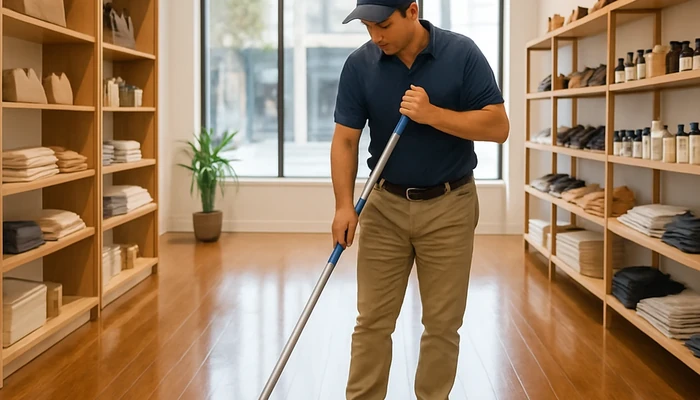
commercial cleaning in the city of chicago, shop cleaning Cleaning Services Chicago, stockroom cleaning Cleaning Services Chicago, shop cleaning Naperville IL, storefront cleaning Willowbrook IL, retail store sanitation West Dundee, stockroom cleaning River North IL, retail floor cleaning Oak Park, retail store cleaning Markham, boutique cleaning South Loop