 Skip to content
Strategies To Optimize Cleaning Time: Pro-Level Systems & Practical Tips
Optimizing cleaning time is essential for anyone who manages a busy household, operates a business, or oversees properties in Chicago. From recurring housekeeping to deep-cleaning offices or prepping Airbnb listings, the right approach makes cleaning faster, more consistent, and less stressful. This in-depth guide reveals the proven strategies professionals use to streamline cleaning routines—without sacrificing thoroughness or hygiene. You’ll learn how checklists, room sequencing, task batching, and smart product selection can help you minimize wasted motion, keep high-touch areas spotless, and maintain a healthier, more inviting space year-round. Whether you’re researching cleaning services or looking to improve your own system, these strategies deliver results.
What Does It Mean to Optimize Cleaning Time?
Optimizing cleaning time isn’t about cutting corners—it’s about maximizing efficiency while maintaining high standards. In residential and commercial settings, professionals combine meticulous routines with intelligent decision-making frameworks, focusing on:
- Reducing repetitive movement
- Organizing tools and supplies for quick access
- Following logical cleaning sequences to avoid retracing steps
- Using detailed checklists for consistency
- Adapting strategies for different environments or room types
Optimized cleaning processes result in less time spent per task, fewer missed spots, and energy savings for both solo cleaners and teams.
Core Principles of Efficient Cleaning Systems
1. Task Sequencing and Route Planning
Professionals clean in a deliberate order—top-to-bottom, back-to-front, and room-by-room. This prevents soil transfer and redundant tasks.
2. Standardized Checklists
Custom checklists ensure every surface and high-touch zone is addressed, boosting quality and enabling faster training for new staff or helpers.
Read more about checklist importance in our internal guide to health and cleaning for facilities.
3. Task Batching
Grouping similar tasks—like dusting all surfaces before wiping or vacuuming all floors last—reduces tool switching and streamlines work.
4. Tools and Products Accessibility
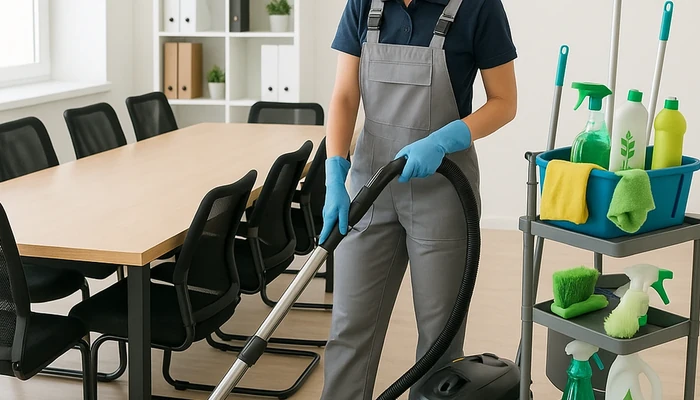
Keeping supplies on a portable cart or apron saves steps and keeps cleaners focused. Choose products and tools suited for the surface type and soiling level.
Differentiating Residential vs. Commercial Cleaning Routines
While the underlying strategies are similar, residential and commercial properties differ in:
- Traffic and soiling level (e.g., kitchens vs. office restrooms)
- Frequency of cleaning needed for maintenance
- Specialized protocols—like sanitation for high-traffic offices or allergens in homes with children
- Client expectations and privacy needs
Understanding these nuances allows you to tailor your cleaning game plan accordingly. For medical spaces or facilities requiring compliance, reference essential health standards for cleaning.
Creating Your Customized Cleaning Checklist
Standardization is key. Checklists transform subjective efforts into reliable systems.
Key Elements for an Effective Cleaning Checklist
- Room and area columns (kitchen, bathroom, entry)
- Specific tasks: dust, disinfect, empty trash, restock supplies
- Frequency markers (daily, weekly, after-event)
- Space for notes (special stains, clients’ preferences)
- Completion checkbox
Example:
| Area | Task | Frequency |
|---|---|---|
| Kitchen | Disinfect counters, sweep/mop floor | Daily |
| Restroom | Sanitize handles, replenish soap | Daily |
| Office Desk | Dust surfaces, empty trash | Weekly |
Time-Saving Techniques for Every Room
Kitchens
- Start with upper cabinets, finish with floors
- Let cleaning agents sit before scrubbing
- Batch appliance cleaning after surfaces
Bathrooms
- Spray disinfectant and allow dwell time
- Clean mirrors, then sinks, then toilets, then floor
- Keep supplies in a caddy to prevent cross-contamination
Living Areas and Offices
- Clear clutter before dusting and vacuuming
- Work clockwise/anti-clockwise to track progress
Entryways and High-Touch Zones
- Disinfect handles, light switches, railing last
Prioritization: Managing Time in High-Demand Environments
Professional cleaners are trained to identify “hot spots” that require the most frequent attention. These include bathrooms, kitchens, common area tables, door knobs, and telephones in an office setting. By tackling these first, overall cleanliness—and occupant safety—is preserved, even during time constraints. For high-traffic and sensitive settings, see effective approaches for busy facilities.
Solo vs. Team Cleaning: Workflow Variations
- Solo Cleaning—Prioritize a compact supply setup and sequential room flow. Time yourself to monitor consistency.
- Team Cleaning—Assign roles (dusting, bathrooms, floors) for simultaneous progress. Use shift schedules and role-based assignments to cover more ground efficiently.
Productivity Tools & Technology Enhancements
Modern cleaning efficiency is boosted by:
- App-based checklists and reminders for recurring jobs
- Color-coded tools to avoid cross-contamination
- High-efficiency vacuums and microfiber systems
- Automated scheduling and feedback collection
Certain protocols, such as IICRC S100 standard, set national benchmarks for cleaning quality and safety in the industry.
Safety, Hygiene, and Professional Standards
Optimized cleaning routines never sacrifice health:
- Always wear appropriate PPE for the environment (gloves, masks as needed)
- Disinfect equipment after each use—especially when moving between homes or offices
- Follow product label instructions for dwell times and dilution
For cleaning in salons or medical settings, specialized certifications such as Barbicide can enhance credibility and safety.
Preparation Steps Before Cleaning Begins
- Gather all supplies (cleaners, cloths, mop, gloves, trash bags)
- Review or update checklists for new requirements
- Remove clutter from cleaning paths
- Ventilate rooms for safety and product effectiveness
- Set expectations with others in the space (household members, employees)
Integrating Feedback and Continuous Improvement
Top cleaning companies refine their process using structured client feedback and routine post-clean inspections. Homeowners and managers should:
- Note recurring trouble spots or missed details
- Adjust checklist items and timing as needed
- Celebrate improvements to encourage motivation
When to Call In Professional Cleaning Experts
While optimized DIY strategies work well, some scenarios call for advanced expertise:
- Large offices or facilities with complex layouts
- After-move or deep cleaning needs
- Events or turnovers requiring rapid turnaround
- Situations with biohazard, allergens, or regulatory standards
Professional teams, such as CHICAGOLAND Cleaning Services, bring experience, commercial-grade equipment, and quality controls that save clients time and ensure safety. For religious spaces, medical clinics, or specialized environments, consider specialized cleaning service bookings.
Structured Comparison: Solo vs. Professional Cleaning Efficiency
- Solo Cleaning: Lower cost, maximum control, but limited by time and expertise. Great for routine upkeep in smaller spaces.
- Professional Service: Faster, scalable for large or complex locations, access to advanced products, strict protocols, and quality guarantees.
FAQs: Strategies To Optimize Cleaning Time
- How can a cleaning checklist save time during each visit?
- It provides a repeatable workflow, reduces skipped steps, and maintains consistency. Checklists make it easy to delegate or train others quickly.
- What’s the fastest way to clean high-traffic areas?
- Prioritize surfaces touched most often (handles, fixtures, desktops), use efficient tools like microfiber, and group tasks for each material. See our high-traffic cleaning protocols.
- How do professional cleaners ensure nothing gets missed?
- They rely on detailed checklists, methodical routines, and regular inspections after each job, with feedback fueling improvement.
- Which cleaning strategies reduce allergens most effectively?
- Frequent dusting with microfiber, HEPA filtering vacuums, and special attention to bedding, upholstery, and vents. Read more at our infection-reduction guide.
- Do commercial cleaning teams use different products or tools?
- Yes, they often use hospital-grade disinfectants, commercial vacuums, and follow standards like IICRC S100 for consistency.
- What is the most overlooked time-saving tip?
- Set up all supplies in advance and carry them room-to-room to avoid retracing steps. Also, batch similar tasks for fewer transitions.
- When should I consider professional cleaning services?
- If time is tight, the area is large, or specialized sanitizing is needed (e.g., post-move or event), or if regulatory compliance is required.
- How do I maintain efficiency with different team members?
- Clearly define roles, use checklists for each cleaner, and coordinate timing. Regular post-clean feedback sessions support improvement.
- How often should I update my cleaning process?
- Review monthly or after major changes (season, new regulations, occupant changes) to ensure your system is efficient.
- What if my cleaning results aren’t consistent?
- Reintroduce checklists, audit processes, and consider professional training or support.
Summary & Next Steps
Optimizing cleaning time is about strategic organization, smart product choices, and ongoing refinement of your process. Whether you’re cleaning solo, leading a team, or managing a facility, these strategies help you work smarter—not harder. For complex properties or commercial environments, partnering with a professional cleaning company ensures robust hygiene and time savings. Office cleaning service or Schedule Restaurant cleaning bookings are handled by dedicated staff in Chicago.
About CHICAGOLAND Cleaning Services
CHICAGOLAND Cleaning Services helps households and businesses in Chicago, Illinois and nearby areas keep their spaces clean and healthy. Our team specializes in recurring house cleaning, deep cleaning, move out cleaning, commercial office cleaning, and specialized facility cleaning. With a focus on rigorous checklists, quality standards, and transparent communication, we deliver dependable results across homes, offices, and large facilities. Our trained staff use professional products and adhere to industry safety practices to protect your property and occupants every step of the way.
commercial cleaning in the city of chicago, open office cleaning chicago, desk office disinfection chicago, office trash removal Evanston, conference room cleaning Wheeling IL, conference room cleaning Westmont, office cleaning Glencoe, conference room cleaning Niles IL, office trash removal Riverside, open office cleaning Crystal Lake
