
Scheduling and Optimizing the Cleaning Schedule in Gastronomic Establishments: An Expert Framework
Maintaining top-tier cleanliness in gastronomic establishments goes beyond daily routines—it’s a matter of food safety, guest confidence, and regulatory compliance. Whether you run a full-service restaurant, café, bistro, or food court, understanding the best practices for scheduling and optimizing the cleaning schedule in gastronomic establishments means healthier workspaces, happier customers, and streamlined operations. This comprehensive guide from CHICAGOLAND Cleaning Services provides actionable guidance, expert checklists, and proven tools for every stage of your cleaning journey—built for managers, owners, and staff seeking professional-grade results without commercial bias.
Mapping Critical Cleaning Zones and High-Risk Surfaces
Every gastronomic establishment has unique high-priority areas that directly impact food safety and guest perceptions. Scheduling and optimizing the cleaning schedule must start with a strategic mapping of zones, including:
- Food prep counters and kitchen equipment—constant exposure to raw ingredients, frequent hand contact
- Refrigeration units and cold storage—potential cross-contamination zones
- Dining surfaces—tables, chairs, menus
- Restrooms and staff areas
- Entranceways and customer touchpoints—door handles, pay stations
- Special zones—buffet lines, salad bars, children’s play areas
Start your cleaning schedule by listing all such zones and identifying equipment and materials required for each. Expand the list according to your establishment’s floor plan and specialty services.
Aligning Cleaning Frequency with Operational Flow
No two kitchens or dining rooms operate alike when it comes to peak hours, menu formats, and foot traffic. When scheduling and optimizing the cleaning schedule in gastronomic establishments, tailor tasks by:
- High-frequency needs: Food-contact surfaces, restrooms, and entranceways need cleaning throughout shifts.
- Periodic tasks: Equipment, ventilation hoods, storage areas—weekly or monthly, outside rush times.
- Special events and seasonal surges: Increase cleaning staffing and frequency for holidays, catering, or high-traffic events.
Below is a sample comparison of typical cleaning frequencies for critical zones:
| Area | Frequency | Responsible Staff |
|---|---|---|
| Kitchen worktops/utensils | After each use, end of shift | Kitchen staff |
| Dining surfaces | Between each seating | Servers |
| Restrooms | Every 1-2 hours, end of day | Cleaning crew/front of house |
| Floors (public areas) | Post-shift, as needed | Cleaning crew |
| Refrigerators/Freezers | Weekly, as spills occur | Kitchen staff |
Designing a Flexible Cleaning Shift Structure
An effective cleaning schedule balances unseen prep with visible touch-ups in guest areas. Recommendations include:
- Pre-opening: Clean all kitchen surfaces, dining room setups, and restrooms before guests arrive.
- Mid-shift spot checks: Assign on-duty staff to address immediate spills, restroom restocks, and visible debris.
- Closing deep clean: Allocate blocks for equipment breakdown, floor care, and waste removal after the last customer departs.
- Weekly/monthly rotations: Schedule deep cleaning of storage, ventilation, light fixtures, and less frequently accessed areas.
Share the schedule across teams and update it routinely to adapt to changes in service hours or menu offerings.
Building Effective Cleaning Task Checklists
Granular, actionable checklists are essential for scheduling and optimizing the cleaning schedule in gastronomic establishments:
- Break down tasks per zone (e.g., “Sanitize food prep sinks” vs. “Wipe dining tables”).
- Assign responsibility by role—not just by generic shift.
- Include estimated time for each task—useful for training and fair distribution of workload.
- Note any regulatory or safety-critical steps (such as using designated color-coded cloths for different areas).
Regularly review checklists for redundancy, efficiency improvements, and new compliance rules.
Integrating Health, Safety, and Compliance Standards
Cleaning schedules must explicitly address local, state, and federal health codes. Restaurant operators should:
- Review OSHA Bloodborne Pathogen standards for staff handling waste or biohazards. (OSHA bloodborne pathogen guidance)
- Adopt CDC cleaning protocols for healthcare or food environments where appropriate. (CDC cleaning recommendations)
- Provide gloves, PPE, and adequate training for all cleaning staff.
- Record cleaning logs, especially for high-risk areas.
Aligning your schedule with safety guidance ensures readiness for inspections and minimizes health risks.
Understanding the Impact on Customer Confidence and Experience
The visible and perceived cleanliness of your dining room, restrooms, and entryways shapes customer trust—critical in today’s hospitality market. Consider:
- Placing “Recently Cleaned” signage after restroom resets or large area cleans.
- Encouraging staff to tidy public areas throughout service, not just during open or close.
- Soliciting guest feedback on cleanliness as part of regular review processes.
A focus on cleanliness can set your brand apart, drive repeat business, and boost online reviews.
Adopting Technology for Smart Cleaning Schedule Management
Digital platforms can streamline recurring cleaning, real-time reminders, and recordkeeping. Technology options include:
- Cloud-based scheduling apps: Assign and monitor tasks, archive cleaning logs for audits.
- Mobile checklists: Enable staff sign-offs, notify supervisors of completion or issues.
- Data-driven scheduling: Use historical customer flow or seasonal data to optimize cleaning frequency.
Effective use of software prevents forgotten tasks and facilitates faster onboarding for new staff.
Staff Training and Accountability in Cleaning Schedules
Human error is a frequent cause of schedule breakdowns. Support team members with:
- Hands-on demonstrations for zone-specific cleaning
- Clear, written task lists and expectations
- Rotation of tasks to avoid monotony and identify accountability gaps
- Time-tracking and periodic spot inspections by supervisors
A culture of care and routine coaching ensures all staff understand their daily impact on safety and customer satisfaction.
Optimizing Cleaning Products and Eco-Friendly Approaches
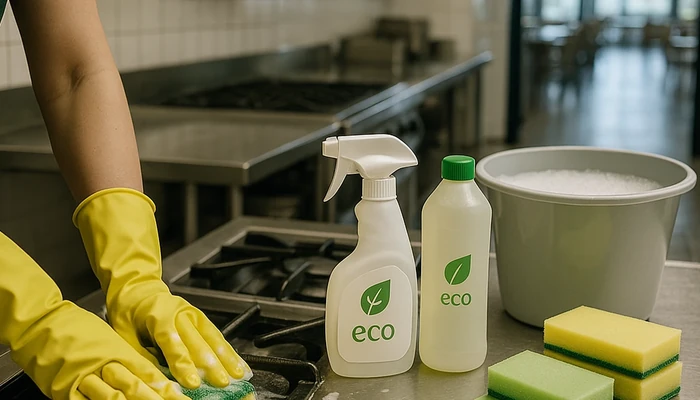
Product selection matters both for hygiene efficacy and sustainability. Optimize your schedule with:
- Food-safe, EPA-approved disinfectants on kitchen surfaces
- Eco-friendly, low-odor cleaning solutions for dining areas (restaurant green cleaning strategies)
- Color-coded equipment to prevent cross-contamination
- Routine evaluation of product compatibility with surfaces and safety requirements
Customizing Schedules for Different Restaurant Types
The ideal cleaning framework is restaurant-specific. Tailor checklists for distinct models:
- Full-service establishments: More extensive end-of-day cleaning, customer restroom focus
- Quick service/cafés: Simpler menus but higher guest turnover—spot cleaning is critical
- Themed or specialty venues: Unique décor and event spaces might require custom cleaning protocols (see more)
Addressing Special Facilities: Children’s Areas and Event Spaces
Some gastronomic venues include children’s play areas or host events requiring extra measures.
- Follow enhanced cleaning and disinfecting protocols for toys and soft surfaces (children’s zone cleaning steps)
- Provide hand sanitizing stations and clear visual reminders for staff and guests.
- Schedule deep cleans after high-traffic events or private bookings.
Key Steps for Onboarding and Maintaining Your Cleaning Schedule Framework
- Audit all current cleaning practices with supervisors and staff.
- Map every zone—note frequency, responsible team, product needs.
- Formulate detailed checklists for each area and assign a champion per zone.
- Implement digital tracking or written logs to keep schedules visible and current.
- Schedule periodic reviews (at least quarterly) to update for compliance, menu, or staffing changes.
Building a living schedule keeps your operations compliant, efficient, and responsive to business growth.
Sample Schedule Blueprint for Gastronomic Establishments
Use the following table as a sample template for scheduling and optimizing the cleaning routine in restaurants:
| Task | Zone | Frequency | Role |
|---|---|---|---|
| Sanitize prep counters | Kitchen | Hourly, after use | Cook |
| Mop entry floors | Front entry | 2-3x/day, as needed | FOH staff |
| Deep clean restrooms | Restrooms | Nightly | Cleaning crew |
| Sanitize all tables | Dining | After each guest | Server |
| Dust lighting fixtures | Dining/public areas | Weekly | Maintenance |
Common Pitfalls and How to Avoid Schedule Gaps
- Skipping high-frequency touchpoints during rush periods—assign floaters for flexibility.
- Assuming routine tasks are completed—use checklists and supervisor sign-off for verification.
- Under-communicating schedule changes—announce updates at daily shift meetings.
- Ignoring training refreshers—schedule periodic retraining, especially for regulatory topics.
Coordinating with Professional Cleaning Services
While in-house staff handle most daily cleaning, periodic deep cleaning by professionals like CHICAGOLAND Cleaning Services ensures compliance and supports internal teams. Professional cleaners can:
- Handle difficult tasks (e.g., exhaust hoods, high-level dusting)
- Advise on product selection and compliance
- Bridge gaps during staffing shortages or seasonal surges
For specialized event, office, or childcare area cleaning, explore focused service options like event cleaning or daycare area cleaning as needed.
Leveraging Preventive Cleaning Programs for Long-Term Gains
Transitioning from reactive, spot-cleaning to preventive programs lowers risk and extends the lifespan of equipment and décor. Benefits include:
- Reduced accidents from spills or residue buildup
- Lower maintenance costs and downtime (see benefits)
- Enhanced brand reputation for visible cleanliness
Optimized Cleaning: Comparison of Old vs. New Approaches
- Traditional: Task lists taped in staff room, variable accountability, limited tracking
- Optimized: Cloud-based scheduling, real-time sign-offs, visible logs, management oversight
- Traditional: Same routine regardless of traffic, events, or seasonality
- Optimized: Dynamic schedules adjusted to actual operations, guest feedback, and periodic reviews
Integrating Cleaning Scheduling Into the Broader Facility Plan
- Coordinate cleaning schedules with maintenance and food safety audits
- Use data-driven insights from incident reports or health scores to inform adjustments
- Incorporate feedback from both staff and guests into ongoing improvements
FAQ: Cleaning Schedule Optimization for Gastronomic Establishments
1. How do I determine cleaning frequency for each restaurant zone?
Assess each area for risk level—food prep surfaces and restrooms need frequent cleaning (multiple times per shift), while storage areas require less frequent but deeper cleaning. Adjust based on season, menu changes, and observed traffic.
2. What’s the best method to ensure staff follow the cleaning schedule?
Combine detailed checklists, periodic supervision, digital tracking tools, and ongoing training. Consistency comes from accountability and clear communication.
3. Are there recommended cleaning products to avoid cross-contamination?
Use color-coded cloths, mops, and food-safe disinfectants designed for kitchen or dining zones. Refer to EPA and CDC listings for approved solutions for foodservice environments.
4. How can technology help with restaurant cleaning schedules?
Digital apps enable real-time task updating, schedule visibility, automated reminders, and easy record-keeping, ensuring all assigned cleaning responsibilities are tracked and verified.
5. Should cleaning schedules change for special events or high-traffic days?
Yes, increase spot cleaning, restroom resets, and floor care during busy periods. Post-event, always schedule a deep clean to reset the entire facility.
6. What resources can help with compliance for staff safety?
Refer to OSHA bloodborne pathogen regulations and CDC healthcare cleaning protocols for up-to-date staff and surface safety standards.
7. Can professional cleaners supplement my team’s daily routine?
Professional services are ideal for periodic deep cleaning, addressing hard-to-reach zones (vents, ducts), or supporting the team during staffing shortages or special events.
8. How do I know if my current cleaning routine is effective?
Monitor inspection results, guest complaints, staff feedback, and health department scores. Regular review and adaptation are key to ongoing optimization.
9. What is the role of preventive cleaning in restaurants?
Preventive cleaning focuses on routine, scheduled maintenance that prevents buildup, reduces risks, and avoids costly emergency deep cleans or repairs.
10. How often should children’s play areas be disinfected?
Disinfect these zones after every shift and more often based on occupancy or visible soiling. Use child-safe products and review protocols regularly.
Next Steps and Actionable Summary
Optimizing the cleaning schedule in gastronomic establishments requires strategic planning, detailed checklists, and responsive operations. Begin by mapping key zones, tailoring frequency, leveraging digital tools, and supporting your team through training and accountability. When your in-house capacity cannot cover specialty or deep cleaning needs, consider reliable professionals. The sustainable focus on cleanliness, safety, and operational flow ensures your establishment stands out for all the right reasons.
- Review your current cleaning framework against these recommendations.
- Schedule periodic preventive cleanings and compliance reviews.
- Leverage professional cleaning support for specialized or high-traffic periods.
- When ready, Schedule Restaurant cleaning or refer to specialized service options for your establishment’s unique needs.
Find more guidance on preventive strategies and eco-friendly solutions by exploring resources at the end of this post.
About CHICAGOLAND Cleaning Services
CHICAGOLAND Cleaning Services helps households and businesses in Chicago, Illinois and nearby areas keep their spaces clean and healthy. Our trained teams specialize in recurring house cleaning, deep cleaning, move out cleaning, office, and facility cleaning. With a focus on detailed checklists, flexible scheduling, and strict adherence to safety standards, we’re committed to providing reliable results and long-term client relationships across the Chicago area.
commercial cleaning services chicago, bar cleaning chicago, restaurant cleaning chicago, restaurant cleaning Lansing, restaurant cleaning Burr Ridge IL, restaurant cleaning Hyde Park, bar cleaning Loop, restaurant restroom cleaning Matteson IL, restaurant kitchen cleaning South Holland, kitchen deep cleaning Hanover Park IL