 Skip to content
Cleaning Audits: How to Score a Facility Before You Quote
Preparing an accurate cleaning quote starts with one critical step: understanding exactly what needs to be cleaned. That’s where cleaning audits come in. Whether you’re a homeowner, property manager, Airbnb host, or a business evaluating cleaning services in Chicago, knowing how to score a facility before you quote is essential to receiving precise estimates, customized service, and consistently high results. In this in-depth guide, we break down the full process of cleaning audits—from initial walk-throughs to scoring rubrics and decision frameworks. By the end, you’ll know how to assess any environment, avoid surprises, and ensure the quote you accept matches the work you need. CHICAGOLAND Cleaning Services relies on these proven steps for transparent, successful cleaning partnerships.
Why Cleaning Audits Are the Foundation of Accurate Quotes
Rushing into a cleaning contract without evaluating the space often leads to mismatched expectations and hidden charges. Cleaning audits are systematic inspections designed to reveal the exact condition, hygiene level, and unique challenges of each facility. This process benefits both the client and the cleaning company, yielding fair pricing and service clarity.
- Uncover hidden issues: Identify buildup, high-touch areas, and cleaning frequency needs.
- Align scope to budget: Match the service to your real requirements—not assumptions.
- Establish benchmarks: Use baseline scores to measure progress and hold providers accountable.
- Boost hygiene and safety: Prioritize compliance in offices, medical, or high-traffic settings.
Cleaning audits are often overlooked, but they are the difference between generic cleaning and professional facility care. Assessing cleaning protocols is critical, especially for businesses that must meet health or industry standards.
Essential Tools and Frameworks for Effective Cleaning Audits
To conduct a successful audit, professionals draw on a blend of observation, standard checklists, quantitative scoring, and specialized inspection tools. A structured approach increases objectivity and reliability.
- Facility floor plans for systematic coverage
- Digital or paper audit checklists to track findings
- ATP meters or hygiene swabs for scientific surface testing (critical in healthcare, kitchens)
- Scoring rubrics that rate areas by cleanliness, damage, and compliance
- Photo documentation for before-and-after comparisons
For a sample of audit formats and cleaning solution strategies, you can learn more in Effective Facility Cleaning Solutions.
Step-by-Step Walkthrough: How Professionals Score a Facility
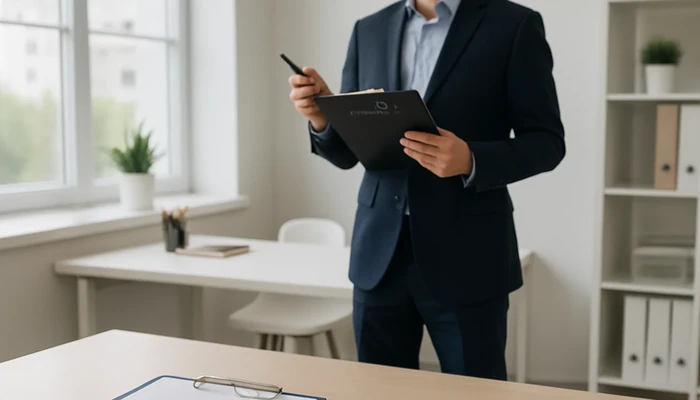
The cleaning audit process is more than a quick visual sweep. Here’s what a structured walkthrough involves:
- Pre-visit planning: Review client goals, usage patterns, and area lists.
- Systematic zone inspection: Move room by room, noting details and special materials.
- Checklists and scoring: Assign scores by category using objective metrics (see table below).
- Hazard and hygiene evaluation: Pay special attention to bathrooms, kitchens, medical or childcare settings.
- Note damage or specialty needs: Flooring, carpet, electronics, sensitive areas.
- Document findings: Photos, notes, and forms.
- Client feedback: Confirm pain points and priorities.
Each step helps avoid overlooked scope or surprise charges, making it easier to define a clear agreement before work begins.
| Area | Audit Items | Possible Score (1–5) | Notes |
|---|---|---|---|
| Lobby/Entry | Floors, doors, seating, windows | 1–5 | Traffic marks; fingerprints; clutter |
| Bathrooms | Fixtures, counters, flooring, touchpoints | 1–5 | Odors; visible buildup; paper stocked |
| Work Areas | Desks, electronics, shelves, trash | 1–5 | Dust levels; electronic care |
| Kitchens | Appliances, counters, sinks, fridge | 1–5 | Food debris; hygiene critical |
| High-Touch | Light switches, handles, elevators | 1–5 | Frequent disinfection |
Key Scoring Criteria: What Inspectors Evaluate
Accurate scoring depends on consistent benchmarks. Cleaning professionals score each facility across objective categories like:
- Visible cleanliness: Floors, glass, dust, spotting
- Hygiene: Absence of soil, grime, or bio-contaminants (see CDC guidance on common facility health risks like norovirus)
- Odor control: Musty, food, or chemical odors due to poor cleaning habits
- Restocking: Supplies in bathrooms, kitchens, communal areas
- Damage and repairs: Broken tiles, stains, water marks needing attention
- Compliance: Industry-specific protocols (e.g., AORN environmental best practices in medical spaces)
Auditors use these scores to build a unique cleaning proposal that targets real needs, not just surface-level brushing.
Customizing Audit Checklists for Different Facility Types
Every environment—from an apartment to a daycare, gym, or clinic—carries unique risk zones and priorities. Cleaning audits must adapt their checklists and scoring process to fit the specific setting.
- Residential: Bedrooms, living spaces, laundry, balconies
- Offices: Meeting rooms, cubicles, phone booths, storage
- Medical: Sanitation, infection control, hazardous waste, waiting rooms
- Retail: Merchandise displays, high-touch counters, fitting rooms
- Special facilities: Gyms, spas, event halls, educational spaces
Explore how audit frameworks adapt for various settings in Crucial Areas to Clean in Various Locations.
Common Findings and Red Flags Revealed by Cleaning Audits
Qualified cleaning auditors uncover issues you may miss, including:
- Accumulated grime in seldom-used areas
- Dust buildup on HVAC, vents, or data cables
- Pest evidence (droppings, food remnants)
- Mold/mildew in bathroom corners and window seals
- Unsafe chemical storage or cross-contamination risks
- Unapproved products damaging sensitive surfaces
Identifying these risks early enables tailored cleaning plans—and helps avoid costly surprises after the job begins. For more on optimizing cleaning time and addressing such issues, review Strategies to Optimize Cleaning Time.
Integrating Hygiene and Safety into Audit Scoring
For facilities in Chicago and beyond, modern cleaning audits emphasize not just appearance but health, safety, and regulatory compliance. Key elements include:
- Surface disinfection validation (not all cleaning methods kill viruses or bacteria)
- Inspection for trip, slip, or fall hazards
- Verification of cleaning agent effectiveness (see How to Choose the Right Cleaning Products for Your Office)
- Proper PPE and supplies for staff
- Child, elder, or immunocompromised safety in dedicated environments
This approach aligns with CDC and AORN requirements, raising overall facility standards for all users.
How to Translate Audit Scores Into Cleaning Proposals
Once the audit is complete, how do results turn into clear, customized quotes? Cleaning quotes should:
- Reference the audit scorecard—identifying priority areas and high-frequency needs.
- Distinguish between routine, deep, and specialty cleaning tasks.
- Provide a breakdown of estimated hours or visits by area/zone.
- Clarify inclusions (e.g., bathroom disinfection, kitchen appliance degreasing, window washing).
- Highlight any surcharges for hazardous or specialty work.
- Offer periodic re-audits for ongoing contracts.
A clear proposal reduces scope creep and builds long-term trust. To see more about maintenance strategies for optimal cleanliness, check Efficient Cleaning in High Demand Areas.
Decision Framework: Evaluating Cleaning Providers’ Audit Approaches
Not all cleaning companies approach audits and quotes with the same rigor. Here’s a checklist for evaluating their methods:
- Do they perform onsite walk-throughs, or is quoting virtual only?
- Will you receive a written scoring sheet or just an oral estimate?
- Are checklists and benchmarks transparent?
- Are high-touch, high-risk, and specialty zones included in assessments?
- Can they adapt cleaning protocols for sensitive areas (e.g., childcare, food, medical)?
- Is post-cleaning evaluation offered for accountability?
Choosing a provider with a transparent audit and scoring process ensures a better long-term experience.
Sample Checklist: Cleaning Audit Walk-Through for Offices
- Entrance and reception cleanliness (floors, mats, glass, seating)
- Workstations dust-free, sanitized, organized
- Telephone, keyboard, and shared device disinfection
- Bathrooms—fixtures polished, stocked, odor-free
- Kitchen/break room—appliance surfaces, inside of microwave/fridge, sink hygiene
- Trash/recyclables emptied, bins washed out
- High-touch point wipes (door handles, switches, elevator buttons)
- HVAC and vent maintenance (out of sight, often missed)
- Windows, blinds, curtain dust removal
- Safety checks (wet floor signs, material data sheets, PPE for cleaners)
Customize this list for homes, event spaces, fitness centers, or retail outlets to ensure audit thoroughness.
Maintaining Consistency: How Audit Results Support Ongoing Quality Control
Cleaning audits are not one-time events. Instead, they are the backbone of ongoing monitoring and improvement. How CHICAGOLAND Cleaning Services—and similar professional companies—use audit data includes:
- Baseline benchmarking: Comparing initial, mid-term, and end-of-contract scores.
- Client communication: Transparent reporting of high-risk findings and completed work.
- Checklist refinement: Updating site-specific priorities as needs change.
- Continuous training: Educating staff on site-unique protocols and risk factors.
To see how regular cleaning frequency and advanced protocols drive results, see Benefits of Using High Frequency Cleaning Services.
Challenges and Pitfalls in Conducting Facility Cleaning Audits
Despite their benefits, cleaning audits can fall short due to:
- Time pressure: Incomplete inspections miss trouble spots.
- Incomplete checklists: Overlooking areas like break rooms, IT closets, or basement storage.
- Subjective scoring: Personal bias without clear rubrics.
- Lack of cleanliness standards: Not anchoring scores to CDC or specialty guidelines.
- Poor documentation: Results easily disputed without written/photo record.
Reviewing your provider’s audit process is as important as comparing quotes—ask for clarity before you sign.
Comparing In-House, DIY, and Outsourced Professional Facility Audits
Who should execute your cleaning audit? Each approach has pros and cons:
- DIY/self-inspection: Good for basic assessment but lacks objectivity and industry benchmarks.
- In-house facilities team: Familiar with site quirks but may not apply updated hygiene guidelines.
- Professional cleaning provider: Best for comprehensive, benchmarked scoring and quoting, especially for complex/commercial sites.
Learn when to turn to professional solutions versus insourcing in Efficient Business Cleaning Services Available.
Future of Cleaning Audits: Digital Tools and Data Insights
The cleaning industry continues to modernize auditing. Today and tomorrow, expect technologies like:
- Mobile audit apps for instant scoring/uploading photos
- IoT sensors for real-time monitoring of air quality or occupancy
- Cloud-based reporting to share audits, scores, and trendlines
- ATP bioluminescence testers to rapidly validate surface hygiene
Digital workflows promote transparency and speed—making results more actionable for both service providers and clients.
FAQ: Cleaning Audits and Facility Scoring Before Quoting
What is a cleaning audit?
A cleaning audit is a systematic inspection of a facility to evaluate hygiene standards, cleanliness, and areas that require special attention before providing a cleaning quote.
Why is scoring a facility important before quoting?
Scoring exposes the true state of a building, ensuring quotes are accurate and services are customized—helping avoid hidden costs or misunderstandings.
What’s included in a professional cleaning audit checklist?
Most professional checklists include all sections of a space—soft and hard surfaces, kitchens, bathrooms, high-touch points, and specialty risk zones.
Can I perform a cleaning audit myself?
Yes, but professional cleaning companies use advanced benchmarks and detection tools, helping you achieve greater hygiene and consistency—especially in offices, medical, or hospitality environments.
How often should audits be repeated?
Initial audits occur before quoting; ongoing audits may be quarterly or before contract renewal, depending on usage and risk level.
How does audit scoring influence the cleaning proposal?
Audit scores inform the detail and frequency of recommended services, ensure high-risk issues are flagged, and provide a basis for progress checks after cleaning begins.
What certifications or standards do reputable audits follow?
Look for compliance with CDC guidance and, for medical sites, AORN protocols.
Does CHICAGOLAND Cleaning Services offer cleaning audits?
Yes, CHICAGOLAND Cleaning Services conducts structured pre-service audits for homes, offices, Airbnb accommodations, and specialized facilities in Chicago.
What should I watch for in a cleaning audit report?
Look for detailed area lists, scoring rubrics, documentation (photos/notes), and a clear breakdown supporting each quote item.
How do audits benefit long-term cleaning contracts?
They create benchmarks for improvement, support reliable budgeting, and foster transparent provider-client relationships.
Taking the Next Step After a Cleaning Audit
Conducting a cleaning audit to score your facility before you quote is the smartest way to align expectations, ensure hygienic spaces, and avoid surprise costs. When you’re ready to move from audit to action, opt for a professional team that values transparency, detail, and ongoing quality control. For service needs beyond office spaces, Schedule retail store cleaning or book restaurant cleaning with the experts.
About CHICAGOLAND Cleaning Services
CHICAGOLAND Cleaning Services helps households and businesses in Chicago, Illinois and nearby areas keep their spaces clean and healthy. With tested protocols for recurring house cleaning, deep cleaning, move out cleaning, office cleaning, and facility-specific services, our team delivers professional results using trained staff, consistent checklists, and industry-approved cleaning products. Our commitment to detail, reliability, and transparent communication makes us a trusted cleaning partner for homes, offices, and specialized commercial sites throughout the region.
cleaning commercial services chicago il, office breakroom cleaning Cleaning Chicago, conference room cleaning Cleaning Chicago, office restroom cleaning Western Springs, open office cleaning Palos Hills IL, office trash removal Elgin, Palatine office cleaning, office cleaning Barrington IL, office cleaning in Alsip IL, conference room cleaning River Grove
