 Skip to content
Crucial Areas To Clean In Various Locations: A Room-by-Room Guide
Effective cleaning is about more than making things look neat—it’s about targeting the crucial areas in every space to promote health, safety, and comfort. Whether you’re managing a busy home, overseeing an office, preparing a rental property, or ensuring hygiene in a specialized facility, knowing crucial areas to clean in various locations can make all the difference. This in-depth guide provides practical frameworks, targeted checklists, and insider knowledge so you can approach any cleaning project with confidence. As a trusted leader in Chicago, CHICAGOLAND Cleaning Services shares professional insight into what matters most for every type of environment.
Why Identifying Crucial Cleaning Areas Matters
Each location—be it a family home, bustling workplace, or specialized care facility—has unique touchpoints and risk zones. Overlooking these critical areas can lead to germ buildup, missed allergens, and even health hazards. By learning the specifics of crucial areas in different environments, you’ll set higher standards for cleanliness and ensure everyone benefits from safer, more inviting spaces.
- Prevents spread of bacteria and viruses
- Protects high-traffic and high-touch zones
- Improves indoor air quality
- Safeguards sensitive populations (children, elderly, immunocompromised)
Core Principles for Spotting Crucial Cleaning Areas
- High-touch surfaces: Door handles, light switches, remote controls
- Moisture-prone spots: Bathrooms, kitchens, around sinks and appliances
- Shared workspaces: Desks, telephones, communal equipment
- Food and waste zones: Kitchens, break rooms, trash receptacles
- Traffic paths: Entryways, hallways, waiting areas
By identifying these patterns, you can build a cleaning plan that is effective and efficient, focusing resources where they provide the greatest benefit.
Room-by-Room: Residential Cleaning Essentials
Kitchen: The Hygiene Control Center
- Countertops and cutting boards: disinfect regularly
- Sinks and faucets: scrub and sanitize
- Refrigerator handles and shelves: wipe down weekly
- Stove knobs and appliance buttons: frequent cleaning
- Trash bins and recycling areas: deodorize and clean inside/out
Bathroom: High-Risk Germ Zones
- Toilet handles, seats, and flush levers
- Shower walls, tiles, and drain covers
- Sink and faucet handles
- Light switches and towel racks
Living Room and Bedrooms: Comfort Without Compromise
- Remote controls and light switches
- Doorknobs and push plates
- Throw pillow covers and upholstery (vacuum, launder as needed)
- Under furniture, especially with pets
Critical Areas in Commercial Offices
Entryways and Reception
- Door handles (exterior/interior)
- Floors and welcome mats
- Visitor sign-in devices
Open-Plan Workspaces
- Shared desks and keyboards
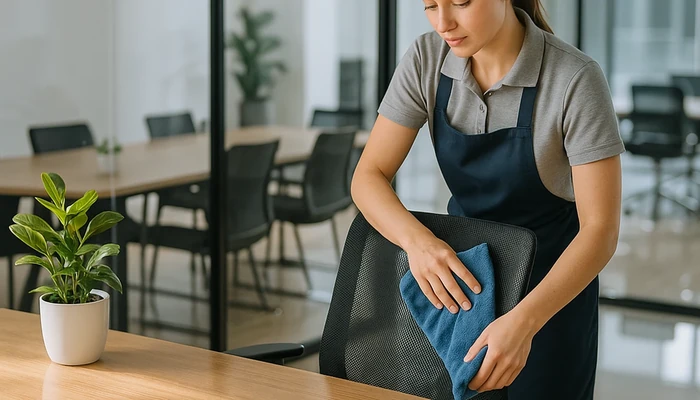
- Chair arms and conference tables
- Shared office supplies (staplers, pens)
Break Rooms and Kitchens
- Microwave and fridge handles
- Tabletops and coffee makers
- Trash bins and lids
Restrooms
- Faucet handles and soap dispensers
- Door latches
- Paper towel dispensers
Specialty Facilities: Extra Care for Sensitive Environments
| Type | Unique Critical Areas | Special Precautions |
|---|---|---|
| Daycares & Schools | Shared toys, desks, nap mats, restroom fixtures | Non-toxic cleaners, frequent cleaning, allergy triggers |
| Dental/Medical Offices | Waiting chairs, exam surfaces, instrument trays | Disinfection protocols, PPE, hazardous waste handling |
| Gyms & Fitness | Exercise equipment, gym mats, locker rooms | Sweat/germ build-up, anti-microbial cleaning, shared equipment |
| Restaurants | Food prep surfaces, walk-in coolers, dining chairs | FDA/CDC guidelines, food-safe sanitizers, allergen management |
Weekly vs. Daily: Creating Effective Cleaning Schedules
- Daily: High-touch surfaces, bathroom fixtures, kitchen counters, communal electronics
- Weekly: Baseboards, windowsills, deep appliance cleaning, seldom-used areas
- Monthly+: HVAC grilles, behind furniture, carpets and textiles
Set reminders and assign duties to ensure nothing gets missed over time.
Touchpoints Most Overlooked in Cleaning Routines
- Light switch plates
- Computer mice and phones
- Remote controls
- Inside drawer handles
- Elevator buttons (in office/residential buildings)
Developing a habit of spot-checking these areas keeps routines thorough.
How to Audit Your Space for Crucial Cleaning Needs
- Take a walkthrough and list all shared and frequently touched surfaces.
- Monitor moisture and food debris areas for grime buildup.
- Notice allergy symptoms—dust and dander tend to build up in overlooked spots.
- Solicit feedback from occupants or visitors periodically.
This proactive approach prevents lapses and helps tailor your cleaning routine.
Safe Cleaning Practices for Homes and Businesses
- Always read labels before using chemicals
- Ventilate rooms during and after cleaning
- Wear gloves when handling harsh products
- Switch out cleaning cloths often to avoid cross-contamination
For advice on environmentally responsible cleaning and waste reduction, refer to the EPA’s guidance on sustainable cleaning.
What Sets Professional Cleaners Apart on Crucial Areas
- Use of systematic, room-by-room checklists
- Trained staff that spot hidden or overlooked problem areas
- Consistent rotation of deep-cleaning items
- Industry-grade disinfectants and safe applications
- Documented quality-control routines
Choosing a professional company means having peace of mind knowing every critical spot is addressed according to current standards.
Sample Checklist: High-Impact Cleaning Areas in the Home
- Entryway flooring and door hardware
- Stair rails and banister tops
- Pet feeding bowls and surrounding mats
- Under-trash can spots in kitchens or bathrooms
- Curtain pulls and window locks
Adapting to Specialized Environments: When Standards Change
Different spaces require unique protocols, especially those catering to children, seniors, or sensitive populations. Cleaning regimens in children’s centers, for example, should prioritize infection control and safe, allergen-aware products. Learn about cleaning for children’s health at HealthyChildren.org.
- Disinfect shared play equipment daily
- Use unscented, non-toxic products certified for use around children
- Implement scheduled sanitization of nap mats and learning tools
Choosing the Right Cleaning Partner for Critical Areas
- Ensure the company provides customized checklists for each location
- Evaluate the level of staff training in identifying and sanitizing high-risk zones
- Request transparency in cleaning products and protocols
- Verify flexibility for recurring, deep, or specialty cleanings
To experience the reassurance of a tailored professional cleaning approach, discover our office cleaning service or explore our restaurant cleaning for high-traffic spaces.
Quality Control: Ensuring Ongoing Excellence
- Spot inspections of high-traffic zones with checklists
- Scheduled periodic deep-cleans across lesser-used areas
- Regular training updates for cleaning staff
- Feedback collection from clients and staff
FAQ: Crucial Cleaning Areas in Different Settings
- What are the main high-touch areas in homes and offices?
Handles, switches, appliance buttons, and shared electronics are frequent sources of germs and should be cleaned daily. - How can I ensure crucial areas aren’t missed in a cleaning routine?
Use a customized checklist for each space and regularly review cleaning outcomes and feedback from users. - Are there differences in crucial areas between homes and commercial spaces?
Yes. Offices often have shared keyboards, phones, and communal break rooms, while homes tend to focus on household appliances and personal spaces. - What cleaning products work best for critical zones?
Choose disinfectants compatible with the surfaces—professional cleaners use EPA-approved products and rotate cloths/tools to avoid cross-contamination. - How often should high-impact areas be cleaned?
High-touch surfaces: daily. Moisture-prone and food-contact zones: after use and at least daily. - Do I need professional cleaners for crucial areas?
Not always, but professionals bring systemized processes, advanced equipment, and peace of mind in high-stakes settings like offices, restaurants, or healthcare facilities. - How should sensitive locations—like daycare or dental clinics—adapt their routines?
Follow industry guidance, prioritize infection prevention, and schedule specialized deep cleans. See cleaning for children’s health and dental clinic cleanliness. - Can cleaning routines be environmentally friendly?
Absolutely. Choose eco-certified products and methods. Reference the EPA’s sustainable advice.
Wrap-Up: Prioritizing What Matters for Healthier Spaces
Recognizing and addressing the crucial areas to clean in various locations leads to safer homes, healthier businesses, and increased peace of mind. Whether you’re tackling high-touch surfaces in a busy workspace or ensuring every bedroom feels fresh, a professional strategy customized for your environment makes a lasting difference.
Ready to experience a higher standard? See our spa cleaning services or event cleaning solutions for specialized needs, or reach out to CHICAGOLAND Cleaning Services to design your personalized plan.
About CHICAGOLAND Cleaning Services
CHICAGOLAND Cleaning Services helps households and businesses in Chicago, Illinois and nearby areas keep their spaces clean and healthy. Specializing in recurring house cleaning, deep cleaning, move out cleaning, office cleaning, and facility cleaning, our trained teams follow strict checklists and use professional-grade products for every job. We value transparency, flexible scheduling, and long-term relationships—so you get reliable results whether at home or the office.
commercial best cleaning services chicago, conference room cleaning chicago, office breakroom cleaning chicago, conference room cleaning Naperville, office cleaning Franklin Park IL, office trash removal Lake Bluff IL, office workstations cleaning Forest Park IL, Round Lake office cleaning, office breakroom cleaning Logan Square IL, office cleaning in Bradley IL
