Safety First: Business Cleaning Essentials — The Definitive Guide
Keeping your business environment safe, healthy, and spotless is not just a matter of appearance—it’s essential for employee well-being, customer trust, and compliance with health standards. Safety First: Business Cleaning Essentials are about far more than a mop and bucket: they require clear protocols, professional products, tailored checklists, and trained staff. This all-in-one resource unpacks how business cleaning works, the role of safety in professional cleaning, exactly what sets service levels apart, and your step-by-step framework for evaluating cleaning partners. Whether you run a downtown Chicago office, manage a commercial space, or want to ensure your facility meets the latest health expectations, this guide by CHICAGOLAND Cleaning Services shows you the essentials—so you know what matters most for genuine cleaning safety.
How Safety Drives Every Step of Business Cleaning
Safety is the backbone of any commercial cleaning operation. Not only does it protect your staff and clients from the spread of germs and contaminants, but it also shields your organization from costly compliance breaches and reputation loss.
- Minimizing Cross-Contamination: Dedicated color-coded tools and strict protocols segregate restroom, kitchenette, and public zones.
- Protecting High-Touch Surfaces: Routine disinfection of doorknobs, switches, shared workstations, and community tables reduces viral and bacterial risks.
- Staff Safety and PPE: Professional cleaners are trained on safe handling of chemicals and equipped with gloves, masks, and safety glasses when needed.
The Link Between Clean and Safe
It’s not clean if it’s not safe. Deep cleaning for disinfection, correct dilution of cleaning agents, and hazard awareness (like slips and improper storage) are integral to a “safety-first” approach.
Core Principles: What ‘Safety First’ Actually Means in Cleaning
Establishing a safety-first cleaning environment goes beyond superficial dusting. Here are the non-negotiable foundations:
- Assessment of Site Risks: Every business space is unique. Pros perform onsite assessments, noting foot traffic, surface materials, and sensitive equipment.
- Evidence-Based Product Choices: EPA-registered disinfectants, surface-appropriate solutions, and protocols compliant with CDC guidance ensure effective, safe usage. (Review official recommendations from the CDC’s cleaning and prevention guidelines.)
- Regular Staff Training: Ongoing education ensures protocols are current, consistent, and adjusted for emerging pathogens or local regulations.
When Safety Measures Fall Short
Neglecting basics like replacing mop heads, skipping PPE, or haphazard chemical mixing can jeopardize health and property—underscoring why a methodical, documented process is essential.
Essential Checklists: What a Safe Business Cleaning Program Includes
Professional business cleaning is structured by detailed checklists covering every space. Here’s a look at what these lists should address:
- Entryways & Reception: Door handles, counters, visitor seating, display surfaces.
- Office & Workzones: Desks, phones, keyboards, shared printers, conference equipment.
- Restrooms: Touchpoints, dispensers, partitions, flooring, ventilation grilles.
- Kitchenettes/Breakrooms: Appliance handles, tables, sinks, shared utensils.
- Storage & Utility: Shelves, trash areas, mechanicals, supply cabinets.
Daily vs. Weekly Essentials
Frequency is determined by foot traffic and regulatory requirements. For example, restrooms demand daily (or multi-daily) attention, while deep cleaning of carpets or upholstery may be scheduled weekly or monthly.
| Area | Task | Optimal Frequency |
|---|---|---|
| Reception | Surface disinfection | 2x daily |
| Restrooms | Sanitization | After every peak period |
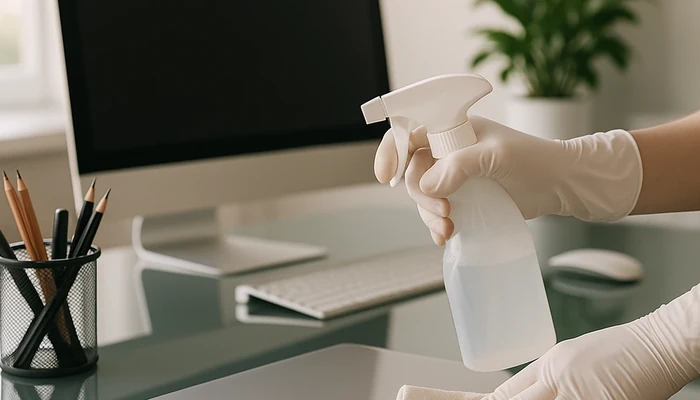
| Workstations | Keyboard/mouse wipe | Daily |
| Floors (high-traffic) | Mop and sanitize | Daily |
| Breakroom appliances | Handle disinfect | 2x daily |
Compared: Types of Professional Cleaning (And Safety Implications)
The label “cleaning” spans a spectrum—from light surface tidying to full-scale decontamination. Understanding the differences ensures you’re getting the right protection for your environment.
- Standard/Routine Cleaning: Dusting, sweeping, trash disposal. Suited for offices, retail, low-risk zones.
- Deep Cleaning: Targets build-up in neglected areas, under furniture, vents, and high-touch details.
- Sanitization/Disinfection: Specialized products and dwell times kill pathogens—crucial for shared and medical spaces.
Considerations by Facility Type
Dentist offices demand more rigorous protocols than a small staff office. Always clarify the intended cleaning level—especially for areas like restrooms, gyms (Gym cleaning), or spaces hosting sensitive populations.
Key Roles: Training, Certification, and Supervision
A cleaning company’s commitment to safety hinges on the experience of its team. Look for these role-based essentials:
- Onboarding and Safety Briefings: New team members should undergo orientation that covers chemical safety, equipment, and site-specific hazards.
- Ongoing Certification: Providers encourage continuing education. Certifications like Barbicide’s Infection Control knowledge demonstrate current industry safety understanding.
- Field Supervision: Veteran supervisors conduct spot checks—ensuring every checklist is followed and adjustments made for real conditions.
Cleaning Products and Equipment: Decoding Safety Labels
Using professional-grade products is only half the battle; staff must understand product labels and safe-use instructions:
- EPA Registration: Only registered disinfectants provide the results your health code may require.
- SDS Availability: Each cleaning product’s Safety Data Sheet is on-site, outlining first aid and safe handling guidelines.
- Routine Calibration: Dispensers and dilution systems are recalibrated regularly to prevent “hot” (overly strong) or “weak” (ineffective) mixes.
Eco-Friendly Options
More offices want green solutions without sacrificing safety. Ask for low-residue, non-toxic products proven to disinfect and safe around staff with allergies.
Emergency Preparedness: Cleaning Response for Incidents
Part of business cleaning safety is planning for the unexpected:
- Spill Response Plans: From coffee on lobby floors to bloodborne hazards, trained staff know procedures for proper containment and decontamination.
- Accident Logs: Incidents (slips, exposure, broken glass) are recorded, with follow-up steps outlined to prevent recurrence.
- Pandemic/Epidemic Protocols: Enhanced cleaning, isolation of affected zones, and revised checklists based on current CDC guidance (see the CDC for business cleaning in health events).
Understanding Compliance: Health, Safety, and Cleaning Regulations
Workplace safety isn’t just best practice; it’s the law. Compliance means observing:
- Occupational Safety (OSHA): Standards for chemical handling, signage, and ventilation.
- Local Business Codes: Varies by city, building use, and room type (e.g., childcare, healthcare, food prep).
- Industry-Specific Guidance: Dental, salon, and fitness centers often mandate unique protocols—for details, see our guides like essential steps to comply with health standards.
Facility Spotlight: Tailoring Safety Essentials to Different Business Types
No two businesses face identical cleaning risks. Consider these practical differences:
- Medical and Dental Offices: Added attention to instruments, cross-infection barriers, and special waste.
- Restaurants & Food Prep: Cleaning must prevent contamination; see our restaurant cleaning service if you operate a food establishment.
- Childcare/Education: Lower-to-ground surfaces, toys, and nap areas require careful, frequent disinfection (reducing infections and promoting health in children’s settings).
Special Facility Needs
Facilities with “public” areas (retail stores, houses of worship, gyms) require flexible protocols built for unpredictable traffic and event-based surges.
Evaluating Cleaning Companies: Safety Questions to Ask Before Hiring
An informed decision starts with knowing what distinguishes safety-minded providers. Use these questions:
- What background checks and training do your staff undergo?
- How are cleaning protocols customized for my industry and facility?
- Do you keep records of product usage, compliance, and staff certifications?
- How often are cleaning checklists updated?
- Can you provide proof of insurance and describe your incident response plan?
Warning Signs
Be wary of providers who lack transparent documentation, offer “one-size-fits-all” packages, or cannot explain their sanitization product choices.
Real-World Scenarios: Business Cleaning Safety in Action
- Case 1 — Open-Concept Office: After a high-traffic event, targeted rapid cleaning and air-purification protocols restore workplace safety before staff returns.
- Case 2 — Dental Practice: Strict adherence to dental cleaning standards ensures tools and waiting areas meet or exceed infection control expectations.
- Case 3 — Multi-Tenant Properties: Staggered schedule ensures shared entries and elevators are sanitized at key intervals, protecting everyone without disrupting operation.
Business Cleaning Safety Myths (and the Facts)
- Myth: More chemicals always mean better results.
Fact: Overuse can be hazardous and often reduces effectiveness—proper dilution is key. - Myth: Sanitizing wipes alone are enough.
Fact: While handy, they don’t substitute for methodical, systematic cleaning and disinfecting. - Myth: Only health-focused businesses need strict routines.
Fact: Germs and allergens spread everywhere; high standards are essential in all businesses, including retail, offices, and service industries.
Involving Your Team: Promoting Safety Culture in the Workplace
Professional cleaning delivers the baseline. For best results, staff should be part of the effort:
- Clear Communication: Post visible cleaning schedules and “last sanitized” plates in restrooms and kitchens.
- Personal Workspace Habits: Encourage employees to declutter and regularly disinfect their own desk equipment.
- Feedback Loops: Provide channels for team input on cleanliness or supply needs; make reporting easy and anonymous if needed.
Integrating Technology: Improving Cleaning Safety with Smart Tools
Modern businesses can harness technology to take cleaning safety to new heights:
- Touchless Dispensers: Reduce contact and cross-contamination in restrooms and break areas.
- UV Sanitization: Supplemental UV devices can bolster disinfection of air and surfaces, especially after hours.
- Digital Checklists: Real-time tracking and digital confirmations help maintain adherence and quick response to issues.
Maintaining Consistency: How to Audit and Adjust Your Cleaning Program
Even the best plans require ongoing tuning:
- Regular Inspections: Independent or joint walk-throughs keep cleaning accountable and identify evolving risks.
- Feedback from Occupants: Encourage open feedback from staff and clients on perceived cleanliness or safety gaps.
- Update Cycles: Schedule quarterly reviews to update protocols (especially when workplace usage or regulations shift).
Frequently Asked Questions: Safety First and Business Cleaning
- How often should a business schedule professional cleaning for safety?
- It depends on facility use and risk factors. Daily cleaning is standard for high-traffic spaces; sensitive sites may require several sessions per day. Deep cleaning is advised quarterly, or more often in flu season or during outbreaks.
- Do commercial cleaning services use safe, eco-friendly products?
- Many providers—including CHICAGOLAND Cleaning Services—offer green and hypoallergenic product options that maintain safety standards. Always confirm certifications and product safety data.
- What documentation should a professional cleaning company provide?
- You should expect cleaning checklists, certification proof, incident logs, and records of product usage and inspections. Transparency is a key indicator of a safety-first approach.
- Can professional cleaning reduce employee sick days?
- Yes. Routine, high-quality cleaning targeted at shared spaces and high-touch surfaces can significantly cut down on the spread of illness-causing germs and allergens in the workplace.
- What’s the difference between cleaning, sanitizing, and disinfecting?
- Cleaning removes visible dirt. Sanitizing lowers bacteria to safe levels. Disinfecting destroys most pathogens. Each has a defined role; in many settings, all three are required for optimal safety.
- Is DIY office cleaning usually effective enough?
- DIY can address light tidying but often falls short on deep disinfection, compliance, and risk management. Professional cleaning teams are essential for meeting regulatory and safety standards.
- Should I require cleaning staff to have background checks?
- Absolutely. Staff working in accessible business spaces should have basic vetting and clear protocols for safety and privacy protection.
- How do I verify that my cleaning service follows health codes?
- Ask to see their documented health and safety policies, proof of training, and recent compliance inspection results. Providers should be forthcoming with this data.
Moving Forward: Building a Safer and Cleaner Business Environment
Prioritizing Safety First: Business Cleaning Essentials means going beyond minimum standards—you protect people and your reputation. The best results come from combining trained staff, proven products, tailored protocols, and open communication. For facility managers, property owners, and decision-makers in Chicago and nearby, partnering with a safety-focused cleaning specialist brings peace of mind that every corner of your space supports health and productivity.
Ready to enhance your facility’s safety? Explore office cleaning service or visit CHICAGOLAND Cleaning Services to discuss your business’s unique needs.
About CHICAGOLAND Cleaning Services
CHICAGOLAND Cleaning Services helps households and businesses in Chicago, Illinois and nearby areas keep their spaces clean and healthy. Specializing in recurring house cleaning, deep cleaning, move-out and office cleaning, as well as specialized facility cleaning, our trained team follows strict checklists, stays up-to-date with the latest safety protocols, and delivers clear, communicative service to every client. We are dedicated to high-touch attention, flexible scheduling, and best-in-class hygiene practices for homes, workspaces, and commercial environments.
commercial cleaning service chicago, chicago office cleaning, office cleaning chicago il, office trash removal Wicker Park IL, desk office disinfection Oak Park IL, office workstations cleaning Glenview IL, office cleaning in Palatine, office cleaning Spring Grove, open office cleaning Glen Ellyn IL, office restroom cleaning Rosemont