The Importance Of Cleaning Business Storage Areas: Keeping Workspaces Safe and Efficient
Business storage areas are often out of sight and, as a result, out of mind. Yet, their cleanliness plays a crucial role in workplace safety, efficiency, and even the health of staff. In this guide, you will learn the importance of cleaning business storage areas, the main risks of neglect, proven cleaning strategies, and how professional cleaning services ensure compliance and peace of mind. Whether you manage an office, retail space, healthcare site, or specialized facility, understanding this often-overlooked aspect is key to a well-run business.
What Makes Business Storage Areas Unique Cleaning Challenges?
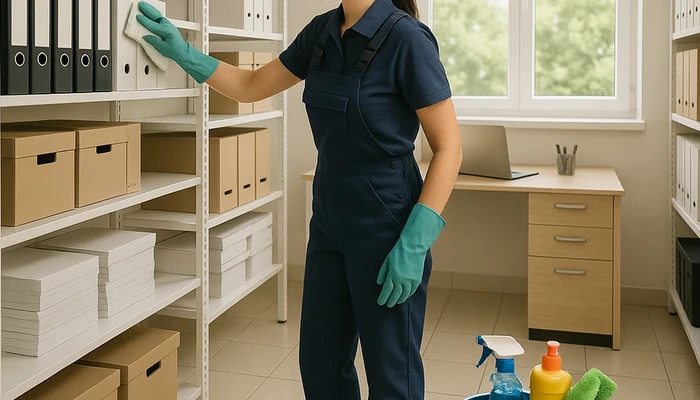
Storage rooms are not just leftover corners: they house essential supplies, sensitive equipment, archived paperwork, and sometimes hazardous materials. Unlike visibly active spaces, storage rooms can accumulate hidden dust, pests, and safety hazards over time. Their periodic use means spills, leaks, and debris may go unnoticed, making a regular cleaning schedule essential to prevent accidents or operational setbacks.
Common Types of Business Storage Spaces
- Janitorial closets
- Stockrooms in retail stores
- Medical supply cabinets
- Document archives
- IT server rooms and equipment storage
- Kitchen pantry or inventory rooms
- Facility maintenance storage
Major Risks When Storage Area Cleaning Is Neglected
Failing to clean storage areas can lead to consequences far beyond dust buildup. Ignored clutter, undetected leaks, or unaddressed spills can impact not just property, but also staff well-being and even legal compliance.
- Pest infestations: Untended food or organic materials can attract rodents and insects.
- Health and safety hazards: Dust, mold, stacked boxes, and chemical residues are serious risks.
- Fire code violations: Blocked pathways, overloaded electrical sockets, and combustible clutter may breach fire safety codes.
- Inventory loss: Damaged, expired, or contaminated supplies can go unnoticed, impacting productivity.
- Regulatory non-compliance: Healthcare, education, and food businesses face penalties if storage hygiene is substandard (CDC guidance).
Health, OSHA, and Industry Standards for Storage Area Cleanliness
Many industries must follow strict cleaning and safety protocols—well beyond the standard office routine. Medical and educational facilities, for example, are regulated by OSHA and local health boards. Storage areas may require regular sanitization, safe chemical storage, and routine documentation to ensure compliance and prevent cross-contamination.
- OSHA mandates clear access, safe shelving, and chemical labeling.
- Healthcare facilities must meet infection control and disinfection requirements (EPA List N approved products required in most facilities).
- Schools and childcare centers must reduce allergens, toxins, and risks to children.
Comprehensive Storage Area Cleaning Checklist
A structured process is essential to achieve thoroughness in cleaning. Below is a professional checklist recommended for most business storage areas—adapted to the unique materials and risks on-site.
- Remove items from shelves and floors to expose all surfaces.
- Inspect for expired, damaged, or unnecessary inventory and dispose safely.
- Dust shelves, vents, and light fixtures thoroughly.
- Wipe all hard surfaces with suitable disinfectant (EPA List N recommended for high-risk sites).
- Check for mold, leaks, or water damage and alert maintenance if any issues are found.
- Vacuum or sweep floors, paying attention to corners and behind shelving.
- Mop floors with an appropriate cleaning solution.
- Disinfect touchpoints (door handles, light switches, keypads).
- Organize items as you return them to shelves—heaviest at the bottom, labels facing forward.
- Inventory audit and update.
- Secure chemicals separately with visible labels and updated safety sheets.
- Check pest traps or barriers, if required.
How Often Should Business Storage Areas Be Cleaned?
The frequency depends on both the nature of the storage area and how often it’s accessed. However, most professional cleaning protocols recommend the following:
| Storage Type | Recommended Cleaning Frequency |
|---|---|
| Janitorial/Food Storage | Weekly (min), with monthly deep cleaning |
| Medical Supply Storage | Every 1–2 weeks, per infection control |
| IT Equipment | Weekly dusting, quarterly deep clean |
| General Business Storage | Monthly, with visual inspection weekly |
| Document Archives | Quarterly, or semi-annual for rarely accessed units |
- High-risk environments (healthcare, food service) require more frequent and documented cleanings.
- Choose cleaning schedules that align with your industry regulations and insurance requirements.
Essential Cleaning Products and Equipment for Storage Areas
Not all cleaning agents are equal—especially in sensitive environments. Use of proper supplies ensures both safety and compliance:
- EPA List N disinfectant sprays or wipes for surfaces in healthcare and high-touch areas.
- Microfiber cloths for dusting and particle control.
- HEPA-filter vacuums to remove fine dust, allergens, and prevent recirculation.
- Mops and buckets plastic-lined for isolation (especially if biological/food spills are likely).
- Appropriate PPE (gloves, masks, goggles for hazardous material handling).
Always follow CDC best practices for worker safety when handling potentially hazardous materials.
Comparing In-House vs. Professional Cleaning for Storage Spaces
Should you use internal staff or hire a specialized cleaning company for these spaces? Consider the following:
- Expertise: Professional cleaners are trained on compliance standards and safe chemical usage.
- Accountability: External teams deliver consistent results with checklists and quality control.
- Efficiency: In-house staff may not prioritize storage cleaning or have access to HEPA vacuums and EPA-rated products.
- Cost: Outsourcing may save money on equipment, supplies, and lost productivity.
For critical storage areas, businesses often combine routine in-house tidying with scheduled professional deep cleans.
Health and Safety Hazards Hidden in Storage Environments
Some of the biggest facility risks are hidden in storage zones. Even the best-run businesses can overlook these hazards:
- Mold growth: Water leaks, condensation, and poor ventilation lead to fungal hazards—especially on paper, cardboard, or textiles.
- Slip and trip hazards: Spilled liquids, obstacles, or overstacked shelves can cause falls.
- Cross-contamination: Inadequately cleaned shelves or containers can harbor bacteria, especially where food or medical supplies are involved.
- Expired chemicals: Outdated or unlabelled substances may emit fumes, increasing the risk of occupational illness.
Case Study: Storage Area Cleaning in High-Risk Environments
In a recent project for a busy medical clinic in Chicago, CHICAGOLAND Cleaning Services implemented a rigorous storage cleaning protocol. Medical storage rooms were first emptied and inventoried. All shelving was disinfected using EPA-approved disinfectants. Particular attention was paid to proper segregation of clean and dirty supplies, as well as chemical container inspection and relabeling. Pest prevention and detailed recordkeeping ensured compliance and patient safety—key for facility audits.
Lessons for Other Businesses
- Regular deep cleaning supports regulatory compliance and audit readiness.
- Documenting cleaning tasks helps with staff accountability.
- Professional oversight catches maintenance issues early.
How to Audit Your Own Storage Area: Step-by-Step Guide
- Start with a visual walkthrough of all storage spaces.
- Check for signs of dust, debris, pests, leaks, and odors.
- Review chemical storage for labeling and expiration.
- Ensure all aisles and emergency exits are clear.
- Look for overstacked items or boxes that could fall.
- Test lighting and ventilation if applicable.
- List corrective actions and assign responsibilities.
Regular audits minimize risk and maintain compliance standards.
Inventory Management and Cleanliness Go Hand-in-Hand
Organized and clean storage areas are critical for accurate inventory control. When items are not regularly dusted, rotated, and checked, outdated stock can accumulate, increasing waste and loss. Integrated cleaning and inventory routines help businesses avoid over-ordering, underuse, and safety violations.
- Schedule cleaning in tandem with inventory counts for efficiency.
- Label shelves and categories for easier oversight.
- Immediately remove obsolete or damaged goods.
Special Protocols for Sensitive or Hazardous Materials
Some materials—laboratory samples, expired pharmaceuticals, cleaning chemicals, or flammable products—require advanced cleaning and storage protocols.
- Separate dangerous goods by category and regulatory requirement.
- Keep safety data sheets easily accessible and up to date.
- Deep clean and inspect hazardous storage areas more frequently, per OSHA guidelines.
- Train staff in handling spills or exposure incidents.
Employee Roles and Training for Maintaining Storage Area Cleanliness
Cleanliness is a team responsibility. Businesses should clearly outline employee duties and provide ongoing training:
- Designate responsibility for periodic inspections and cleaning tasks.
- Train staff on safe handling and correct use of cleaning agents.
- Conduct refresher sessions after protocol changes or incidents.
- Maintain a cleaning schedule and simple reporting procedure to flag issues.
Selecting the Best Cleaning Company for Business Storage Areas
Choosing a qualified cleaning partner is essential for high-risk or regulated storage spaces. Look for companies that:
- Specialize in business and facility cleaning—including sensitive storage environments.
- Offer checklists and documentation aligning with local and federal regulations.
- Provide flexible scheduling for deep cleans and emergency situations.
- Are transparent about products used, especially for healthcare and food businesses.
- Invest in trained, screened personnel for all projects.
CHICAGOLAND Cleaning Services follows strict quality standards and uses professional-grade products for each environment, ensuring safety and regulatory compliance. For specialized needs like office cleaning service or dental office support, choosing an experienced company reduces risk and adds real value.
Red Flags: Signs Your Storage Area Needs Immediate Attention
- Unusual odors or visible mold patches
- Sticky or dusty shelving surfaces
- Pest droppings or live sightings
- Overflowing trash or hazardous waste bins
- Blocked fire exits or tangled extension cords
- Cluttered aisles or falling items
If you spot any of these, urgent cleaning and possible maintenance should be scheduled.
Storage Area Cleaning for Seasonal and Event Needs
Seasonal turnovers and special business events are high-risk times for storage clutter and safety mishaps. Before moving inventory or rearranging supplies for a major campaign, always:
- Clear dated materials and rotate remaining inventory.
- Deep clean all surfaces and address maintenance issues.
- Restock and relabel to support efficient workflows during busy periods.
Consider scheduling event cleaning or pre-season deep cleans to ensure readiness.
Integrating Storage Cleaning With Facility-Wide Protocols
Effective cleaning companies ensure that storage spaces are not left behind. Integrating these areas into a wider cleaning protocol is key to lowering risk and maximizing efficiency. Confirm that storage is part of routine quality checks, and that there’s a clear, documented process for reporting concerns to facility management.
Internal and External Resources for Storage Area Cleaning Excellence
- Health standards and compliance in cleaning
- High-traffic area cleaning guidance
- Dental clinic cleaning protocols
- Cleaning to reduce infections and support children’s health
Frequently Asked Questions About Cleaning Business Storage Areas
- What is the biggest risk of skipping storage area cleaning?
Hidden pests, undiscovered leaks, and safety hazards that put staff well-being, inventory integrity, and compliance at risk. - Is it enough to clean storage areas once per year?
No. Most environments, especially healthcare and offices, require monthly or more frequent cleaning to avoid safety and hygiene issues. - How does professional cleaning differ from routine in-house cleaning?
Professional companies follow detailed checklists, use advanced disinfectants, and are trained in regulatory compliance, going beyond surface tidying. - Can neglected storage areas really result in regulatory fines?
Yes. Many industries (health, food, childcare) have strict storage protocols. Violations can incur fines and even temporary closures. - Which products are safest for sensitive storage spaces?
EPA List N disinfectants, HEPA filtration vacuums, and specialized PPE—all handled per CDC safety recommendations. - Should storage area cleaning be documented?
Yes. Documentation shows due diligence, supports audits, and improves staff accountability. - Does CHICAGOLAND Cleaning Services clean specialized storage areas?
Yes. The company provides tailored cleaning protocols for offices, clinics, retail, and specialty facilities—all with quality control and transparency. - How can I integrate storage area cleaning into my overall facility plan?
Develop a schedule that aligns with company protocols and regulatory requirements. Integrate cleaning with inventory and maintenance workflows.
Wrap-Up: Taking Action to Elevate Your Storage Area Hygiene
Clean, organized storage areas are foundational to workplace efficiency, safety, and regulatory peace of mind. If your business has been overlooking this zone, use the checklists above to audit and improve. Partner with a trusted cleaning team for specialized, documented protocols that ensure every zone meets health and safety standards. For tailored specialty facility cleaning or retail cleaning support, select a provider with proven systems, transparent pricing, and clear communication.
About CHICAGOLAND Cleaning Services
CHICAGOLAND Cleaning Services helps households and businesses in Chicago, Illinois and nearby areas keep their spaces clean and healthy. Specializing in recurring house cleaning, deep cleaning, move out cleaning, office cleaning, and facility cleaning, the company’s trained professionals use advanced products and processes tailored for each setting. CHICAGOLAND Cleaning Services emphasizes attention to detail, transparent pricing, and long-term customer relationships. For expert support with your cleaning campaign, contact CHICAGOLAND Cleaning Services today.
cleaning commercial services chicago, chicago office cleaning, open office cleaning chicago, office breakroom cleaning Alsip, conference room cleaning Cicero, La Grange office cleaning, office cleaning Libertyville, office trash removal Bannockburn IL, office workstations cleaning Monee IL, conference room cleaning Riverside