 Skip to content
Cleaning Protocols for Reception and Common Areas in Gymnasiums: The Complete Framework
When you manage or own a gym, the cleanliness and perception of your reception and common areas are as influential as any workout space or equipment zone. These high-traffic environments are where first impressions are forged, membership questions are answered, and guests linger—making effective cleaning protocols mission-critical. In this comprehensive guide, you’ll learn meticulous cleaning steps, decision frameworks, frequency strategies, product and equipment recommendations, and compliance best practices for gymnasium reception and common areas. We’ll break down the science of creating a health-focused entry experience and keeping every shared surface safe. All protocols align with modern hygiene standards, organizational needs, and the higher expectations of today’s fitness clients. This guide references the expertise of CHICAGOLAND Cleaning Services, providing actionable insights for those researching professional cleaning for gyms in Chicago or beyond.
Reception and Common Areas: Unique Cleaning Challenges
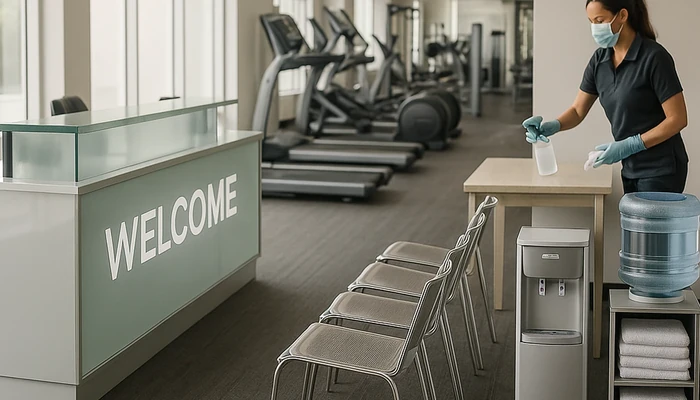
Reception desks, waiting lounges, locker corridors, and transition spaces in gymnasiums experience unique hygiene risks. High touch frequency, diverse material surfaces, member demographics, and variable traffic flux make cleaning standards challenging. To set meaningful cleaning protocols:
- Reception Zones: Greeting counters, sign-in pads, door handles, display shelving, and visitor seating.
- Common Areas: Hallways, vending and hydration points, lounge seating, waiting nooks, elevator controls, and informational kiosks.
Failure to address these touchpoints can compromise member health, reduce satisfaction, and contradict your gym’s cleanliness and brand image.
Defining Protocols: What Should a Gym Reception Cleaning Plan Include?
Your cleaning protocols should be written, standardized, and reviewed regularly. A robust plan for reception and common areas incorporates:
- Daily cleaning checklists for all surfaces and fixtures
- Frequent sanitation of high-contact elements
- Use of approved disinfectants and cleaning equipment
- Schedule integration with overall gym workflow
- Incident/spill response procedures
- Staff training and accountability systems
- Documentation and compliance tracking
Protocols are not static; update them as member volumes, health regulations, or facility layouts evolve.
Mapping Contact Points: A Room-by-Room Breakdown
| Area | Examples of High-Touch Surfaces | Recommended Actions |
|---|---|---|
| Reception Desk | Desktops, payment terminals, pens, sign-in tablets, phones | Disinfect between uses; clean and sanitize at every shift change |
| Lobby Seating | Armrests, chair backs, tabletops, magazines, pillows | Sanitize surfaces and switches hourly; remove non-washable decor |
| Entry Doors | Handles, push bars, glass panels | Disinfect 2–4x/day or more during peak hours |
| Hydration/Vending Stations | Buttons, spouts, surrounds, trash lids | Wipe down after high-use periods, restock supplies regularly |
| Displays & Kiosks | Touch terminals, brochures, keypads | Sanitize before opening, midday, and at close |
| Hallways & Corridors | Benches, railings, doorknobs | Dust/debris removal, disinfect top contact points 2x/day |
Checklist-Driven Cleaning: Step-by-Step Reception & Common Area Process
- Gather PPE (gloves, masks if required) and approved products.
- Remove visible debris, waste, and clutter.
- Wipe all horizontal surfaces with multipurpose cleaner; follow with disinfectant as appropriate.
- Pay special attention to payment terminals, pens, and community items—sanitize or remove as needed.
- Vacuum or sweep entry mats; mop hard floors with non-slip disinfectant solution.
- Sanitize door handles, handrails, elevator buttons with an EPA List N disinfectant (see EPA List N).
- Spot clean glass, windows, and visible smudges on partitions and decor.
- Check and refill hand sanitizers, tissues, and cleaning wipes for member use.
- Log cleaning completion and note any maintenance issues.
Disinfection Versus Cleaning: The Science Driving Gym Protocols
Cleaning removes visible soil, dust, and debris from surfaces using detergents. Disinfection reduces or eliminates bacteria, viruses, and fungi to safe levels using chemical agents validated for efficacy. For gymnasiums, daily cleaning prepares surfaces so disinfectants can work. In high-touch reception or lobby zones, follow a clean-then-disinfect approach for maximum protection. Only use products compliant with industry guidelines and facility policies.
Selecting Disinfectants, Tools, and Application Methods for Gym Reception Areas
- EPA-Registered Disinfectants: Choose products from List N to reduce viral and bacterial spread.
- Electrostatic Sprayers: Enable rapid coverage of complex surfaces, ideal for large open lobbies. See more at ASHRAE’s filtration and disinfection resources.
- Microfiber Cloths: Trap and remove dirt and microbes more efficiently than paper alternatives.
- No-Touch Trash Receptacles: Help limit contact around waste disposal points.
Select supplies based on the surface types, throughput, and chemical compatibilities for your gym’s furnishings.
Frequency Planning: How Often Should Reception and Common Areas Be Cleaned?
Frequency benchmarks for cleaning depend upon gym size, member footfall, local health guidelines, and risk assessment. However, foundational guidance includes:
- Reception desk, payment stations: Every 1–2 hours during operational periods
- Entry doors and handles: At minimum, every 2–4 hours; more during group class transitions
- Common touchpoints (benches, rails, waiting area chairs): 2–3x/day
- Restock hand sanitizers/tissues: Every shift
- Floors and mats: Sweep/vacuum daily, mop every night, immediate attention to spills
Custom schedules can be built using digital tools or with guidance from a professional cleaning provider. For more on optimizing schedules, see Optimizing Gym Cleaning Schedules.
Integrating Ventilation and Air Quality in Common Spaces
Airborne pathogens add a further layer to cleaning needs. Effective protocols factor in:
- Regular HVAC maintenance in reception and lounge zones
- Enhanced filtration (MERV 13+ where possible)
- Portable HEPA air purifiers where fixed systems cannot be upgraded
According to ASHRAE technical guidelines, robust ventilation supports overall hygiene by reducing surface and airborne viral loads. Cleaning and HVAC schedules should be coordinated for best effect.
Eco-Conscious Cleaning Protocols: Sustainable Practices for Gym Community Spaces
Modern gym clientele increasingly value sustainability. Sustainable cleaning in reception and lounge areas may involve:
- Choosing EPA Safer Choice or Green Seal certified products
- Reusable microfiber and launderable mops
- Concentration-controlled dilution for chemical accuracy
- Clear signage to encourage waste sorting and minimal single-use plastics
Learn about implementing an ecological cleaning plan in gym environments at Ecological Cleaning in Your Gym.
Training & Accountability: Staff Roles in Reception Area Hygiene
Staff play a vital role in maintaining the cleanliness of shared spaces. Effective cleaning protocols require:
- Job-specific checklists visible to relevant staff
- Routine refresher training on correct technique and PPE usage
- Incident reporting systems for spills or urgent messes
- Regular leadership walkthroughs and check-ins
Discover more about supporting team training frameworks at Effective Training of Gym Cleaning Staff.
Upgrading Tools and Technology for Lobby and Common Area Hygiene
Advances in cleaning equipment are changing results and efficiency for gym staff. Leading new technologies include:
- UV-C sanitizing wands for rapid surface disinfection
- Compact electrostatic sprayers for full coverage
- Touchless soap and sanitizer dispensers
- Digital monitoring of supply levels and cleaning logs
For further comparison of new tools, see Innovative Gym Cleaning Tools.
Balancing Member Experience and Hygiene: Communicating Protocols
Visible protocols offer members comfort and boost confidence. Consider these practices:
- Display QR-coded checklists showing last cleaning times
- Put up friendly hygiene reminder signage near high-touch areas
- Offer members wipes to clean shared spaces before/after use
- Invite member feedback about cleanliness and make improvements public
Incident Response: Cleaning Protocols for Spills and Illness in Public Areas
Prompt response plans to bodily fluid incidents or other hygiene risks are required. Your approach should include:
- Isolating and marking the area immediately
- Staff in PPE cleaning using appropriate disinfectant for the biohazard level
- Proper disposal of soiled materials and PPE
- Logging and, if required, reporting the incident according to gym policy
Compliance and Documentation in Reception & Lounge Cleaning
Maintaining clear, real-time logs of all cleaning and disinfection tasks helps address regulatory requirements and member questions. Documentation should record:
- Date, time, and staff responsible for each cleaning pass
- Products and equipment used
- Noted incidents or additional comments
This log must be accessible for audits and improvement planning.
Cross-Zone Considerations: Integrating Reception Cleaning With Other Facility Protocols
Cleaning does not stop at the front desk: effective gym protocols align all areas for consistency and coverage. For further protocols in workout, locker, and group activity zones, reference:
- Spotless Fitness Center Cleaning Services
- Best Practices for Cleaning Gym Floors
- Cleaning Techniques for Cardio Machines
Reception and Common Areas Cleaning Frequency Comparison by Facility Type
- Large chain gyms: hourly checks during peak hours, minimum 5–6 full cleans daily
- Boutique and studio gyms: pre/post class cleaning, higher disinfectant use per contact event
- Corporate/workplace fitness areas: daily disinfecting post-shift, targeted touchpoint intervals
- School/community sports facilities: more frequent cleaning during scheduled sporting events
FAQ: Reception and Common Area Cleaning Protocols in Gymnasiums
- What is the difference between cleaning and disinfecting in gym reception areas?
- Cleaning physically removes soils and debris, while disinfecting uses chemical agents to eliminate bacteria, viruses, and fungi that can cause illness. Both are needed to protect members.
- How often should high-touch surfaces like payment terminals be sanitized?
- Ideally after every use; at minimum, every 1–2 hours during active hours. During flu season or outbreaks, increase frequency as appropriate based on risk assessment.
- Which disinfectants are best for gym lobby surfaces?
- Only products proven effective against relevant pathogens. Refer to EPA List N for recommended options and always follow label instructions for dwell times.
- Should air quality and HVAC be part of reception cleaning protocols?
- Yes, maintaining air circulation and robust filtration in lobbies and lounges supports overall hygiene and member confidence.
- What should be included in staff cleaning checklists for these areas?
- All horizontal and vertical surfaces, electronics, handles, buttons, waiting area seating, floors, and member touchpoints. Also include restocking of hand hygiene supplies.
- How do protocols change during outbreaks or higher risk periods?
- Increase cleaning and disinfection frequency, focus on member communication, and review protocols to adapt to updated public health guidance.
- How can gym owners document cleaning for compliance?
- Use digital or physical logs showing the time, date, responsible personnel, tasks performed, and any incidents or notes. These should be readily available for management review or inspection.
- Are there sustainable options for cleaning reception and common areas?
- Yes, select green-certified products, use launderable microfiber materials, and minimize single-use plastics. Train staff in responsible chemical handling for safety and cost efficiency.
- Who should members contact if they notice an issue in a common area?
- Post signage with the point of contact (front desk or supervisor) for prompt incident reporting and swift protocol activation.
Summary & Next Steps: Elevating Your Gym’s Cleaning Protocols
Reception and common area cleanliness underpins both member health and business reputation. By implementing the structured protocols outlined above, gym owners and managers in Chicago and beyond can foster a safer, more welcoming environment. Regularly audit your systems, provide tailored staff training, and leverage technology to optimize results. For recurring maintenance or professional support in implementing advanced hygiene strategies, contact a gym cleaning specialist at any time.
About CHICAGOLAND Cleaning Services
CHICAGOLAND Cleaning Services helps households and businesses in Chicago, Illinois and nearby areas keep their spaces clean and healthy. We specialize in recurring house cleaning, deep cleaning, move out cleaning, office cleaning, and targeted facility cleaning for fitness and gym locations. Our skilled staff are trained in modern cleaning protocols, product safety, and customizable schedules, with a proven focus on high-touch zones and sustainable solutions. Transparent pricing, flexible appointments, and a commitment to client satisfaction guide every project we complete.
cleaning commercial services in chicago, gym cleaning chicago il, gym locker room cleaning chicago, gym locker room cleaning Wicker Park, gym disinfection Evergreen Park IL, gym locker room cleaning Spring Grove IL, gym sanitation Countryside IL, gym floor cleaning Riverwoods, gym equipment cleaning Elmhurst, gym restroom cleaning Fox Lake
