 Skip to content
Expert Cleaning Techniques for Cardio Machines in Fitness Centers
Fitness centers rely on safe, hygienic equipment to protect members and maintain a welcoming space. Cardio machines like treadmills, ellipticals, stationary bikes, and rowers are high-touch surfaces prone to sweat, grime, and bacterial buildup. Understanding proper cleaning techniques for cardio machines in fitness centers is essential for gym managers, staff, and anyone choosing a cleaning provider. This guide will help you evaluate effective strategies, step-by-step methods, modern tools, safe cleaning agents, and professional protocols—all specifically for cardio equipment, based on evidence and industry best practices. Whether managing a Chicago gym, overseeing facility safety, or comparing cleaning companies, you’ll find actionable answers here.
Understanding Cardio Machine Contaminants and Health Risks
What Threats Lurk on Cardio Equipment?
- Sweat residues: Harbors bacteria and yeast, leading to odor and skin irritation.
- Hand oils and makeup: Attract dust and clog ventilation grilles.
- Respiratory droplets: Spread viruses, particularly on handles and screens.
- Dust and debris: Settle inside consoles, affecting electronics and allergens.
Health Implications for Gym Members
- Skin infections: Athlete’s foot, ringworm, and MRSA risk.
- Respiratory illness: From viruses on high-touch controls.
- Allergic reactions: Triggered by mold or dust lurking in neglected equipment.
A research-backed cleaning process reduces the transmission of these pathogens, protecting both users and the business’s reputation.
Differentiating Cardio Machines: Cleaning Challenges and Priorities
Types of Cardio Equipment in Modern Gyms
- Treadmills
- Elliptical trainers
- Stationary bikes
- Rowing machines
- Stair climbers
- Ski ergometers
Unique Cleaning Needs by Machine
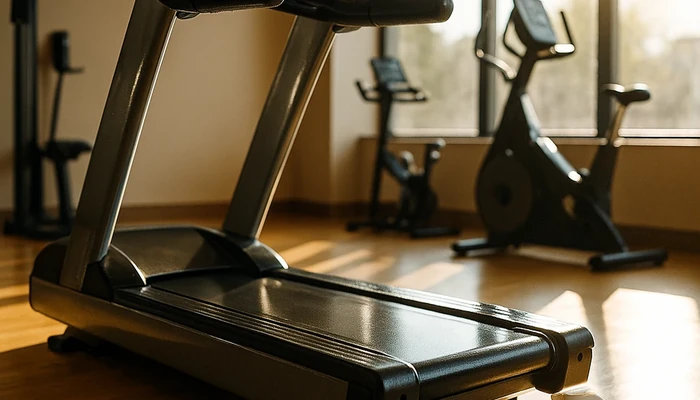
- Treadmills: Moving belts trap dust and sweat; handrails and stop buttons are high-touch points.
- Ellipticals: Jointed arms and foot pedals need targeted attention.
- Bikes: Seat posts, handles, and screens accumulate germs.
- Rowers: Chains, seats, and rails collect sweat.
Understanding each machine’s vulnerabilities ensures every surface is addressed during cleaning routines.
A Step-by-Step Cleaning Framework for Cardio Machines
1. Daily Quick-Clean Checklist
- Unplug and power off the machine.
- Wipe handles, touchscreens, and controls with a gym-approved disinfectant.
- Clean display screens with a soft, non-abrasive cloth.
- Inspect belts, pedals, and seats for visible grime.
- Empty and clean cup holders and accessory trays.
2. Weekly Thorough Clean
- Vacuum dust from air vents and consoles.
- Wipe beneath and behind all moving parts.
- Sanitize high-contact areas more deeply with longer dwell times for disinfectant.
- Treat sweat-prone areas with antibacterial cleaner (see next section).
3. Monthly Preventive Maintenance
- Disassemble removable parts according to manufacturer guidelines.
- Clean or replace filters and check for signs of mold or corrosion.
- Lubricate moving joints as specified.
Best Practices for Cleaning Agents and Disinfectants
Selecting Safe and Effective Products
- Choose EPA-registered disinfectants for athletic/fitness surfaces (EPA Green Cleaning Guidance).
- Avoid bleach or highly acidic solutions that can corrode metal or damage plastic displays.
- Use alcohol-based wipes (at least 70%) for handrails and touchscreens, but ensure these are compatible with machine components.
- Never spray liquid directly onto digital screens—always apply to cloth first.
Eco-Friendly Considerations
- Opt for biodegradable and low-VOC cleaners to protect air quality (see EPA guide above).
- If aiming for LEED credits or allergy-sensitive environments, confirm ingredients are approved for fitness centers.
The Role of Tools and Technology in Cardio Equipment Cleaning
Recommended Equipment for Gym Cleaning Teams
- Non-shedding microfiber cloths for surface cleaning.
- Color-coded cleaning tools to prevent cross-contamination between locker rooms and workout zones.
- Portable HEPA-filter vacuums to remove dust from motor compartments and consoles.
- Electrostatic sprayers for large-scale equipment disinfection between classes.
- Ultraviolet sanitizing wands for electronics and non-porous handles (see more ASHRAE Filtration Resources).
When to Use Advanced Disinfection Systems
- During flu season or after illness outbreaks.
- After extended downtime or renovations.
- For large gyms where manual cleaning is time-prohibitive.
Documenting and Scheduling Equipment Cleaning: The Operations Approach
Creating and Using a Cardio Equipment Cleaning Log
| Machine Type | Daily | Weekly | Monthly | Staff Initials |
|---|---|---|---|---|
| Treadmill #1 | ✓ | ✓ | ✓ | AB |
| Elliptical #2 | ✓ | ✓ | ✓ | CD |
| Bike #3 | ✓ | ✓ | ✓ | EF |
Careful documentation enhances accountability and helps troubleshoot recurring issues on specific equipment.
Comparing Professional vs. In-House Cleaning for Fitness Centers
Key Differences in Approach
- Professional Teams: Trained, insured, equipped with industry-grade tools, and follow health code guidelines.
- In-House Staff: May multitask or lack deep training; cleaning may compete with other responsibilities.
What to Look For in a Cleaning Provider
- Verifiable protocols for cardio equipment disinfection.
- Chemical safety and surface compatibility knowledge.
- Transparent scheduling and documentation.
- Responsive communication and flexibility for after-hours cleaning.
For facilities in Chicago, well-established providers such as Chicagoland Cleaning Services are known for reliability and adherence to industry best practices.
Essential Cleaning Frequency and Scheduling Recommendations
How Often Should Cardio Machines Be Cleaned?
- Daily: Wipe down all high-touch points at least once (ideally after each use during peak periods).
- Weekly: Conduct in-depth cleaning with disassembly of removable surfaces.
- Monthly: Preventive maintenance, deep sanitation, and mechanical inspection.
- After heavy use events: Increase cleaning frequency after fitness classes, competitions, or health advisories.
Adjusting Schedules for Chicago Fitness Centers
- Cold/flu season may require more frequent sanitizing.
- Facilities serving sensitive populations (rehab, senior centers) should maintain stricter schedules.
Read more about scheduling and optimizing the cleaning schedule in fitness centers.
Addressing Member Perception: Visible Cleanliness and Safety Protocols
Why Member Trust Starts with Clean Equipment
- Members judge gym quality and safety by machine cleanliness.
- Visible cleaning logs or staff sanitizing machines boost confidence and satisfaction.
Communicating Cleaning Efforts
- Display checklists at each equipment station.
- Share cleaning policy updates via email and signage.
- Encourage members to report any cleaning concerns for immediate response.
Detailed Checklist for Cleaning Cardio Machines: Operator’s Reference
- Sanitize start/stop buttons, speed controls, heart rate sensors, and fan grills.
- Disinfect seat and backrests on bikes (pay attention to adjustment levers).
- Wipe display screens with screen-safe cleaner.
- Remove grime from pedal arms, footbeds, and chains (as on rowers).
- Check and clean headphone jacks or USB ports (if present).
- Inspect for sticky residue on cup holders and phone shelves.
- Ensure no cleaning residue remains to prevent slips or skin reactions.
Reference this checklist during rounds to avoid missed spots that could harbor bacteria.
Managing Air Quality and Ventilation Around Cardio Equipment
Why Airflow Matters for Machine Cleanliness
- Poor ventilation exacerbates odor and bacterial growth.
- Electronics can attract dust, leading to faster wear or malfunction.
Best Practices
- Clean and maintain air vents and ceiling fans near cardio zones.
- Incorporate certified air filtration and disinfection systems to support overall hygiene.
- Schedule periodic HVAC maintenance as part of the cleaning routine.
Indoor air strategies support surface cleaning for a healthier overall environment.
Eco-Friendly Practices and Material Safety for Cardio Machine Cleaning
Why Materials Matter
- Some plastics, rubber, and LCD screens are easily damaged by harsh products.
- Eco-friendly, non-reactive agents reduce exposure risks for staff and users.
Implementing Green Cleaning Systems
- Source EPA-recommended greener cleaning products.
- Train staff to read and follow manufacturer product compatibility statements.
- Use disposable, biodegradable wipes or launder microfiber cloths thoroughly between uses.
For more insights, visit ecological cleaning system in your gym.
Troubleshooting Common Cardio Equipment Cleaning Issues
Signs of Inadequate Cleaning
- Persistent odors, sticky handles, or visible grime after routine sessions.
- Frequent user complaints or increased equipment breakdowns.
- Foot pedals or belts squeaking (indicates sweat or dust accumulation).
Solutions and Preventive Actions
- Increase cleaning frequency or adjust products and dwell times.
- Review staff training and supervision.
- Upgrade to professional-grade tools if recurring problems persist.
Find more on innovative gym cleaning tools.
Case Study: Launching a New Cleaning Program in a Chicago Fitness Center
Scenario
A mid-sized Chicago gym experienced declining member satisfaction and frequent cardio machine repairs linked to poor cleaning habits. After consulting industry guidelines and working with Chicagoland Cleaning Services, management implemented a new schedule:
- Assigned cleaning shifts with logged checklists per machine.
- Updated cleaning products to EPA-registered, machine-safe options.
- Trained staff on proper disassembly and dwell time for disinfectants.
- Communicated the new approach publicly to members.
Results: User complaints dropped by 75%, cardio equipment downtime decreased significantly, and retention improved.
Integrating Cleaning Protocols Across the Entire Fitness Facility
The Value of Cohesive Protocols
- Coordinate cleaning schedules so cardio zones, floors, and locker areas are sanitized efficiently.
- Prevent cross-contamination with dedicated tools and color-coding.
See best practices for cleaning gym floors and cleaning protocols for reception/common areas.
When to Call a Professional: Upgrading Your Cleaning Plan
Indicators That It’s Time to Outsource
- Increased foot traffic or expanded equipment inventory.
- Lack of staff training or professional equipment.
- Frequent unresolved cleaning issues impacting user health or machine lifespan.
What Professional Teams Provide
- Consistent, checklist-based protocols customized for fitness centers.
- Industry-tested products and equipment.
- Liability coverage and adherence to local health guidelines.
If you’re seeking comprehensive cleaning, Gym cleaning expertise can bring added reliability and peace of mind.
Frequently Asked Questions: Cleaning Cardio Equipment
- How often should high-touch areas on cardio machines be disinfected?
At least once daily, but ideally after every use during busy periods. - What’s the safest way to clean machine touchscreens?
Use alcohol-based, screen-safe wipes, never apply liquid cleaner directly. - Can you use the same cleaning solution on all parts?
No. Electronics need specific wipes, while handles/seats require disinfectant sprays safe for skin contact. - What should be done if mold is found inside a machine?
Discontinue use, clean thoroughly using appropriate agents, inspect ventilation, and consult a professional if needed. - Are green cleaning products as effective as traditional options?
Many are, if EPA-approved for gym environments and used as directed. - How do you avoid damaging plastic components?
Never use abrasive pads or harsh chemicals—choose pH-neutral, non-scratch microfiber towels. - Should documentation be visible to gym members?
Yes, displaying completed checklists builds trust and accountability. - How do you ensure staff follow proper protocols?
Provide detailed checklists, training, and regular supervision. - What’s the most common cleaning mistake?
Neglecting less visible areas like cup holders, adjustment levers, and console edges. - Is it necessary to involve professional cleaners?
Depends on gym size and expectations; professionals ensure compliance and consistency.
Key Takeaways and Next Steps for Fitness Center Cleaning
- Identify and target all high-touch and hidden surfaces on cardio equipment.
- Document cleaning efforts to maintain accountability and compliance.
- Invest in staff training, appropriate products, and updated tools.
- Adjust cleaning frequency based on traffic, climate, and population needs.
- Communicate efforts to members and act on reported issues quickly.
Ready for expert support? Consider Office cleaning service or Schedule event cleaning for comprehensive facility solutions.
About Chicagoland Cleaning Services
Chicagoland Cleaning Services specializes in professional cleaning for homes, offices, fitness centers, and a wide range of commercial spaces in Chicago, Illinois and surrounding areas. Our trained staff use industry-approved products, follow evidence-based cleaning checklists, and prioritize high-touch areas and sensitive equipment like cardio machines. We are committed to transparent communication, reliable scheduling, and long-term safety for our clients. Turn to us for recurring, deep, move-out, and specialized facility cleaning backed by proven processes and attention to detail.
commercial cleaning services chicago, gym restroom cleaning chicago, gym locker room cleaning chicago, gym restroom cleaning West Dundee, gym equipment cleaning Aurora, gym cleaning Crystal Lake IL, gym floor cleaning Rogers Park IL, gym cleaning Bolingbrook, gym floor cleaning Westmont, workout gym cleaning Glendale Heights
