Fostering a Safe and Healthy Work Environment: A Practical Cleaning Guide
Creating and maintaining a safe and healthy work environment is a fundamental goal for every responsible organization. But what are the specific strategies that make this possible? In this in-depth guide, you’ll learn how fostering a safe and healthy work environment relies on targeted cleaning methods, customized checklists, and a partnership with trained cleaning professionals. By the end, you’ll be equipped with actionable steps and expert insights to design, maintain, and improve the health and safety of any workspace—whether it’s an office, clinic, school, or specialty facility in Chicago and beyond.
Understanding the Foundations of a Safe and Healthy Workplace
Before establishing effective cleaning routines, it’s crucial to understand the building blocks of safety and health in shared commercial spaces. Cleanliness doesn’t just mean absence of dirt: it incorporates pathogen control, improved indoor air quality, allergen reduction, and visible care for common areas—each vital for employee well-being and regulatory compliance.
- Risk Assessment: Identify and evaluate hazards specific to your environment—such as high-traffic areas, restrooms, shared equipment, and reception spaces.
- Employee Engagement: Encourage everyone to participate in basic workplace hygiene, such as hand hygiene, desk tidiness, and prompt spill reporting.
- Routine Audits: Schedule regular reviews to ensure cleaning protocols are being followed and remain effective.
How Professional Cleaning Enhances Workplace Safety
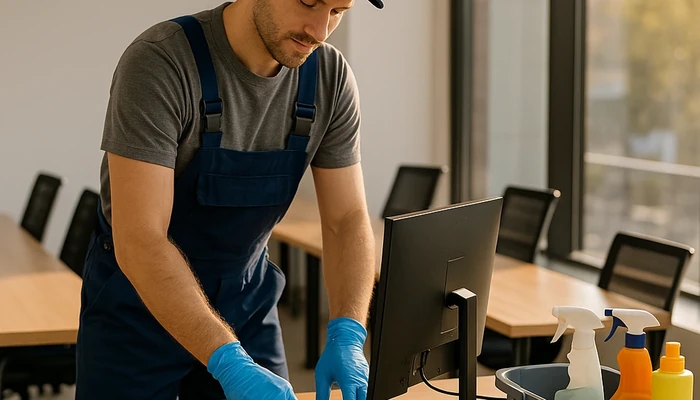
While daily upkeep by staff maintains some level of cleanliness, professional cleaning services specialize in deep cleaning and disinfecting techniques using commercial-grade products and equipment. This approach reaches areas commonly missed and ensures consistency.
- Consistent Application: Trained teams use structured checklists and proven methods across all zones.
- Attention to High-Touch Surfaces: Door handles, light switches, elevator buttons, and shared desks receive detailed disinfection.
- Specialized Products: Use of EPA-registered disinfectants and methods approved for sensitive environments like medical offices, schools, and restaurants.
Risks to Health and Productivity When Cleaning Falls Short
Insufficient cleaning practices can result in illness outbreaks, allergies, and lowered productivity. Missed areas become breeding grounds for bacteria or viruses, particularly in Chicago’s bustling office and commercial settings.
- Spread of communicable diseases (colds, flu, norovirus)
- Aggravation of asthma and allergies due to dust, pollen, or mold
- Damaged employee trust and satisfaction
- Decreased client confidence in your business
Dissecting the Cleaning Spectrum: Routine, Deep, and Specialty Services
Not all cleaning jobs are created equal. To align your environment with the highest safety standards, you need to choose the right service intensity for your context:
- Routine Cleaning: Focuses on daily or weekly maintenance of surfaces, floors, trash removal, and restroom upkeep.
- Deep Cleaning: Adds detailed scrubbing, stain removal, and high-level dusting; ideal on a quarterly or biannual basis.
- Specialty Cleaning: Includes tasks for sensitive environments (clinics, restaurants, gyms) such as equipment disinfection or odor control.
Cleaning Service Comparison Table
| Service Type | Frequency | Typical Tasks |
|---|---|---|
| Routine | Daily to Weekly | Trash, surface wipe-downs, vacuuming, restroom checks |
| Deep | Monthly/Quarterly | Full dusting, vent/fixture cleaning, grout scrubbing, under-furniture cleaning |
| Specialty | As Needed | Equipment sanitation, allergen reduction, infection control protocols |
Building Your Workplace Cleaning Action Plan
Setting up a detailed action plan ensures your business consistently fosters a safe and healthy work environment. Customize the following steps to your organization’s size and specific needs:
- Identify Critical Spaces: List offices, meeting rooms, restrooms, break areas, and any specialty zones like clinics or gym floors.
- Select Appropriate Cleaning Frequency: Use risk level and foot traffic to choose daily, weekly, or monthly routines.
- Assign Responsibilities: Clarify what tasks are handled by staff and which require outside professionals.
- Create a Cleaning Schedule: Post visible schedules for essential recurring jobs.
- Review and Update Regularly: After periods of heavy use or flu season, reassess and adapt the plan.
Checklists for High-Touch and High-Use Areas
Maintaining hygiene in concentrated use-zones is one of the most critical aspects of fostering safety at work. Here’s a targeted checklist:
- Disinfect door handles and push plates multiple times daily
- Wipe down light switches, elevator buttons, and railings frequently
- Clean shared electronics (phones, printers, keyboards)
- Disinfect restroom fixtures, faucets, and dispensers
- Mop high-traffic floors with antimicrobial agents
- Sanitize break room tables, appliances, and fridge handles
Following these steps not only addresses visible contamination but also reduces the microbial load responsible for workplace illness.
How Cleanliness Impacts Employee Well-Being and Morale
A clean workspace isn’t just an aesthetic benefit—it’s a proven contributor to staff happiness, attendance, and even long-term retention. Studies suggest that a visually clean, fresh-smelling, and uncluttered office signals management’s commitment to staff well-being, supports greater focus, and enables a welcoming environment for teams and visitors alike.
- Lower absenteeism rates
- Increased satisfaction and trust in management
- Greater productivity due to reduced distractions and illness
Evaluating Cleaning Methods: In-House vs. Professional Cleaning Teams
Faced with the need for rigorous cleaning, organizations often debate between tasking employees or partnering with dedicated professional cleaners like CHICAGOLAND Cleaning Services. Let’s compare:
- In-House Teams: Offer flexibility but may lack training and consistency; often limited to routine tidying.
- Professional Cleaners: Trained staff, standardization, quality control, and the ability to handle complex or larger-scale requirements.
Commercial cleaning experts follow checklists tailored to your environment and use advanced products. This also frees up your internal workforce to focus on their core tasks.
Cleaning Standards and Regulatory Compliance
Stringent occupational and health codes protect employees and visitors in commercial spaces. Adhering to cleaning standards is part of legal compliance and risk mitigation.
- Understand OSHA and local Illinois Department of Public Health guidelines
- Document cleaning procedures and products used
- Schedule routine compliance audits (especially in food, childcare, or medical settings)
For more details on compliance, see the Essential Steps To Comply With Health Standards for best practices and legally required procedures.
Ventilation, Air Quality, and Their Relationship to Cleanliness
Proper air circulation and ventilation directly influence workplace health by reducing airborne contaminants and moisture that can cause mold or mildew. According to authority guidelines by organizations such as ASHRAE, maintaining HVAC cleanliness and regularly changing filters is critical in shared space environments.
- Inspect HVAC systems quarterly
- Clean air vents and diffusers regularly
- Promote fresh air flow where possible
Adapting Cleaning Protocols for Special Facilities
Some workspaces pose unique challenges—think medical offices, gyms, restaurants, and childcare centers. These locations require intensified or specialized cleaning protocols beyond typical office settings. For example:
- Restaurants must maintain strict food safety cleaning routines; learn more in Essential Steps To Comply With Health Standards.
- Childcare facilities demand higher-frequency cleaning to reduce infection risks. Find further insights in Cleaning to Reduce Infections and Ensure Children’s Health.
- Medical clinics require evidence-based disinfection—review expert advice at Maintaining Dental Clinic Cleanliness and For High-Traffic Areas In Medical Offices.
Employee Hygiene and Engagement: Complementing Systematic Cleaning
Encouraging individual employee responsibility supports organizational cleaning efforts. Strategies include:
- Posting hand-washing reminders at all sinks
- Providing disinfectant wipes for personal desk use
- Hosting brief workplace hygiene workshops
- Offering hand sanitizer stations throughout
For science-backed approaches to employee well-being, explore resources offered by government and health organizations such as the National Center for Complementary and Integrative Health.
Assessing Outcomes: Measuring the Impact of Your Cleaning Plan
How do you know your strategies are working? Develop simple metrics and track them over time:
- Monitor reported illnesses or absenteeism among staff
- Conduct regular employee satisfaction surveys
- Audit compliance with cleaning schedules and protocols
- Track visitor feedback on perceived cleanliness
Signs of an Effective, Safe, and Healthy Work Environment
Look for these cues to validate your success:
- Air smells clean and surfaces feel residue-free
- Restrooms and break rooms are stocked and spotless
- Minimal clutter in shared spaces
- Visible cleaning schedules and logs
- Staff communicate concerns promptly
When to Call in the Professionals (And What to Ask)
Even with dedicated staff, some cleaning responsibilities require outside expertise. Consider partnering with a trusted team like CHICAGOLAND Cleaning Services when:
- You need facility-wide deep cleaning or disinfection
- Your workspace experiences persistent odors or visible buildup
- Regulatory requirements exceed your in-house capacity
Ask questions before choosing a provider:
- Are they insured and trained in current safety protocols?
- Can they provide a cleaning plan tailored to your environment?
- Do they use professional-grade, eco-friendly products?
- Will they document schedule and completion?
If you require services tailored to your office, gym, or specific facility, CHICAGOLAND Cleaning Services offers flexible options to support ongoing safety.
Frequently Asked Questions on Workplace Safety and Cleanliness
What’s the difference between cleaning, sanitizing, and disinfecting?
Cleaning removes surface dirt and dust; sanitizing reduces microorganisms to safe levels; disinfecting destroys germs on surfaces to further lower infection risk.
How often should shared workspaces be cleaned?
Daily surface cleaning is essential for shared spaces, with more frequent disinfection during flu season or outbreaks.
Which areas require the most attention to promote safety?
High-touch surfaces, restrooms, food prep zones, break rooms, and entryways should be priority targets in any cleaning protocol.
How do cleaning schedules differ between standard offices and special facilities?
Offices may need less frequent deep cleaning, while medical, childcare, or gym environments demand stricter, more frequent protocols due to higher risks.
Can regular cleaning reduce absenteeism?
Yes. Maintaining a clean environment lowers the spread of illness and helps minimize employee sick days.
What are the signs a facility needs professional cleaning?
Persistent odors, allergy spikes, visible buildup, or regulatory requirement changes signal it’s time to bring in professionals.
Are green cleaning products effective?
Many eco-friendly products are highly effective but should be selected based on both environmental impact and proven pathogen removal, especially for high-risk settings.
How should cleaning be adapted during public health emergencies?
Increase disinfection frequency, use EPA-approved products, and follow updated guidelines from public health authorities and organizations like ASHRAE.
Who is responsible for enforcing cleaning protocols?
Management must ensure standards are met, but all employees play a role in daily upkeep and communication about hygiene needs.
How can we communicate cleaning protocols to staff and visitors?
Use posted cleaning schedules, clear signage, and regular staff meetings to ensure everyone knows what’s being done and their role in maintaining a safe workplace.
Conclusion: Taking Action to Foster a Safe and Healthy Work Environment
Achieving a safe and healthy work environment is an ongoing process—one that requires the right routines, professional support, staff engagement, and a willingness to adapt as needs change. With a clear plan, regular assessment, and commitment to high standards, your organization can support well-being, productivity, and confidence for everyone who walks through the door.
For tailored support or recurring deep-clean solutions in specialized spaces, consider Office cleaning service or, for restaurant owners, Schedule Restaurant cleaning through CHICAGOLAND Cleaning Services’ trusted teams.
About CHICAGOLAND Cleaning Services
CHICAGOLAND Cleaning Services is a professional residential and commercial cleaning company serving Chicago, Illinois and nearby areas. With experience spanning recurring house cleaning, deep cleaning, move out cleaning, office cleaning, and specialized facility care, we deliver quality results and consistent hygiene standards. Our trained staff, flexible scheduling, and transparent communication help households and businesses keep their spaces clean and healthy year-round.
commercial chicago cleaning services, office restroom cleaning chicago, conference room cleaning chicago, office cleaning Aurora IL, office workstations cleaning Fox Lake, office restroom cleaning Burbank IL, office cleaning in Harvey, office workstations cleaning Riverwoods, office breakroom cleaning Alsip IL, office cleaning River North