 Skip to content
Effective Strategies for Maintaining Cleanliness in Day-Care Centers Throughout the Day
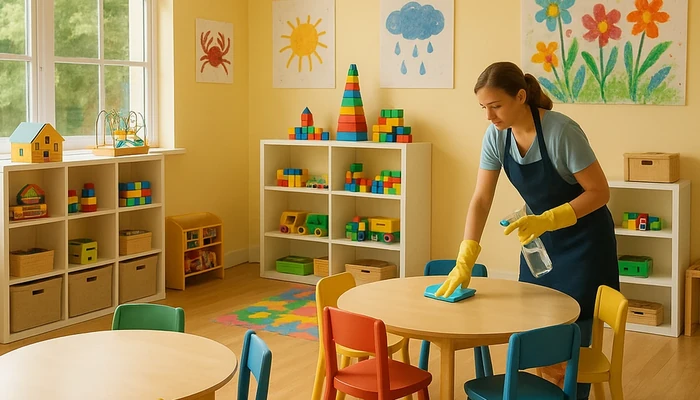
Day-care environments demand vigilant attention to hygiene, as children’s health and comfort depend on a consistently clean space. Maintaining cleanliness in day-care centers throughout the day is more than a single sweep in the morning or a deep clean after hours—it’s an ongoing commitment woven into every activity and transition. In this guide, you’ll find practical frameworks, proven routines, and actionable checklists specific to busy childcare settings. We’ll highlight high-touch points, smart scheduling, emergency sanitation steps, and what to expect from professional cleaning partners in Chicago and beyond. If you’re a center director, caregiver, or a property manager reviewing cleaning protocols, this resource will give you confidence and clarity in creating a safer, healthier environment for all.
Unique Challenges of Day-Care Cleanliness During Operating Hours
Busy day-care centers face frequent messes—from snack spills and art projects to playground dirt and diaper changes. Unlike homes or after-hours offices, cleaning can’t disrupt learning or nap schedules. This section analyzes the unique demands placed on cleaning routines during open hours, focusing on:
- High-traffic surfaces: doors, play tables, nap mats, restroom fixtures, and shared equipment.
- Time-sensitive cleanups: food spills, bathroom accidents, and illness incidents requiring immediate attention.
- Child-specific risks: little hands spread germs fast, so touchpoints multiply quickly in every classroom and activity zone.
Building an All-Day Cleaning Framework: Layered Routines
To achieve ongoing cleanliness, day-cares need a multi-layered approach that blends frequent quick tasks with interval deep wipes. Consider this schedule as an adaptable core framework:
| Time Slot | Key Cleaning Actions |
|---|---|
| Start of Day | Disinfect high-touch surfaces, prep cleaning stations, check supplies |
| Morning Activity | Spot clean tables/toys after use, wipe art areas |
| Midday/Lunch | Sanitize eating areas, clean restrooms, wash hands before/after |
| Afternoon Play | Quick mop entryways, wipe down playground equipment |
| Accident Response | Immediate sanitation protocol for bodily fluids |
| End of Day Prep | Deep clean floors, empty trash, restock hand hygiene stations |
Essential Cleaning Checklists for Every Day-Care Zone
Classrooms and Activity Spaces
- Sanitize tables, chairs, and learning stations between activities
- Disinfect door handles, light switches, and shared tools after high use
- Spot clean visible messes promptly
- Refresh craft and sensory bins; wash or rotate items as needed
Restrooms and Changing Areas
- Wipe down toilets, sinks, and faucet handles often
- Replace liners in diaper pails or bins midday and as needed
- Check soap and paper supplies each transition
Eating and Kitchen Spaces
- Disinfect tables and high chairs before/after meals
- Clean shared utensils and wipe spills immediately
- Handle food waste with separate bins; wash hands before/after any food handling
Nap and Rest Areas
- Rotate bedding after each child’s use
- Launder blankets and mats weekly, more if soiled
- Wipe crib rails and nap cot frames daily
Choosing Cleaning Products: Safety First for Young Children
The products you select must balance germ-killing power with safety for children’s sensitive skin and developing systems. Only use EPA-registered disinfectants approved for childcare settings and avoid harsh fumes or residues. Many day-cares in Chicago are shifting to plant-based or hospital-grade cleaners proven effective against common pathogens.
- Check labels for non-irritant, fragrance-free, and non-toxic certifications
- Follow contact time instructions—many disinfectants require surfaces to stay wet for 1–5 minutes
- Store chemicals locked and out of children’s reach at all times
For more details, see Childcare Cleaning Products: A Guide and Safe Childcare Cleaning Supplies.
Staff Roles and Cleaning Responsibilities Throughout the Day
High standards depend on clear division of tasks among staff. Typical best practices include:
- Assigning quick sanitizing of tables and door handles to classroom teachers after group activities
- Designating a cleaning lead for high-traffic areas during meal/snack times
- Utilizing part-time or rotating staff for bathroom and entryway checks every 1–2 hours
- Documenting every mid-day and end-of-shift cleaning action to ensure accountability
Preventing Cross-Contamination: Day-Care Specific Protocols
Hand hygiene is the foundation of infection prevention. Encourage staff and children to wash hands after every outdoor activity, restroom break, and before all meals, using protocols from the CDC’s hand hygiene guidelines. Additional safeguards include:
- Dedicated color-coded cleaning cloths for restrooms and food prep areas
- Single-use wipes or paper towels for spot disinfecting
- No sharing of bedding, bottles, or comfort items
- Regular cleaning of air vents and filters
See more hygiene compliance protocols in Hygiene Guidelines For Day Care Centers According To Local Regulations.
Managing Cleaning Emergencies (Spills, Illness, Accidents) On The Spot
Immediate Response Steps
- Isolate the affected area and keep children away
- Use gloves and appropriate PPE
- Blot and remove solids/liquids with disposable towels
- Disinfect surfaces thoroughly, following contact time guidelines
- Dispose of all waste safely, and wash hands immediately after
Accident logs and routine communication with parents further support safe practices. Review your protocols against state and local requirements regularly.
Integrating Cleaning with Daily Activities: Habits for Children and Staff
Good cleaning habits start with teaching children simple self-care routines and making cleaning a visible part of daily rhythms. Tips include:
- Use songs and routines for hand washing before every meal and after play
- Give children safe, age-appropriate cleaning jobs like wiping play tables with water-only cloths
- Offer visual aids (charts or posters) reminding everyone about staff and child cleaning milestones
- Rotate daily “clean-up helper” roles among older children
Minimizing Disruption: Smart Scheduling and Quiet Cleaning Strategies
Cleaning during nap times or group activities without interrupting learning requires both good timing and professional equipment. Many modern cleaning solutions offer quieter operations for daytime use. For example, Nilfisk’s professional cleaning systems are designed for low-noise, daytime environments.
- Schedule noisy vacuuming before drop-off or after pick-up
- Use microfiber mops and wipes for silent, efficient spot cleaning
- Rotate cleaning sessions between rooms to prevent congestion
Documenting and Auditing Cleaning Routines
Proper records help prove compliance, spot gaps, and retain staff accountability. Consider these trackers:
- Daily cleaning checklists signed by staff after each area is completed
- Incident/accident logbooks for spill and illness events
- Monthly audits to compare actual routines with regulation requirements
- Annual reviews to update protocols with new guidance
Addressing Odors and Stains in Childcare Environments
Persistent odors and stubborn stains can undermine even diligent routines. Effective targeting means:
- Immediate attention to spills with appropriate, child-safe enzymatic cleaners
- Thorough ventilation after deep cleaning sessions
- Frequent laundering of soft items (blankets, plush toys)
- Periodic professional deep cleaning of carpets and upholstery
See dedicated guidance at Eliminating Odors And Stains In Day Care Areas.
Seasonal and Sickness Spike Adaptations
During cold and flu season, ramp up disinfection frequency and reinforce touchpoint cleaning. Use separate bins for tissues and personal items, and post health reminders for families and staff. Find specialized protocols at Sickness Season Nursery Cleaning Tips.
Professional Cleaning Services: When and How to Partner
Periodic professional cleaning supplements daily in-house efforts. Trained, insured teams handle heavy traffic zones, high-reaching surfaces, and specialist equipment sanitation. Qualities to look for in a cleaning partner include:
- Knowledge of child-safe products and best practices
- Clear communication and flexible scheduling
- Proof of training, insurance, and regulatory compliance
- Consistent, checklist-based procedures customized for your facility
If you want expert support for day-to-day or specialty cleaning, consider Daycare cleaning expertise or Office cleaning service from trusted local providers. For specific specialty cleaning needs such as event cleanup, Schedule event cleaning.
Checklist: Maintaining Cleanliness in Day-Care Centers Throughout the Day
- Sanitize high-touch points hourly (tables, handles, toys)
- Wipe spills/stains promptly with safe cleaners
- Enforce regular hand washing for staff and children
- Rotate and launder soft items frequently
- Document all cleaning actions and incidents
- Stock cleaning supplies in child-inaccessible stations
- Review and update cleaning protocols seasonally
Frequently Asked Questions: Day-Care Cleanliness Throughout the Day
- How often should play areas be sanitized during the day?
- Most high-traffic play surfaces and toys should be disinfected between group activities and at least every two hours during outbreaks or busy days.
- What cleaning products are safest for use around children?
- Look for EPA-registered disinfectants designed for childcare settings that are non-irritant, fragrance-free, and non-toxic. Check manufacturer safety data sheets and consult guides such as Childcare Cleaning Products: A Guide.
- How can odors be controlled in busy day-care centers?
- Quickly addressing spills, laundering soft items, ventilating rooms, and using natural odor neutralizers helps prevent persistent smells. Consider Odor and stain elimination tips for further help.
- Is professional cleaning required, or can staff handle all needs?
- In-house staff manage daily cleaning, but regular professional cleaning ensures deep sanitation of carpets, HVAC, and hard-to-reach surfaces—helping meet compliance and health standards.
- How do you prevent cleaning from interfering with children’s routines?
- Schedule disruptive tasks (vacuuming, deep cleaning) for low-occupancy times and focus on quiet, non-intrusive spot cleaning throughout busy periods.
- What records should be kept for cleaning routines?
- Maintain signed checklists, incident logs, and supply refill trackers for regulatory reporting and internal audits.
- What steps should staff follow if a child gets sick?
- Isolate the child, clean and disinfect the exposed area promptly, and follow local health protocols for reporting and parent notification.
- Can children participate in any cleaning activities?
- Children can safely help with simple, supervised tasks—like tidying toys or wiping tables with water-only cloths—which reinforces hygiene habits.
- What’s the best response to spills or accidents during group play?
- Stop activity, clean and sanitize the affected area immediately, and communicate the incident in logs and to parents as needed.
- How can Chicagoland Cleaning Services support day-care cleanliness?
- They offer recurring and specialty cleaning solutions tailored to Chicago day-cares’ unique schedules and safety needs.
Maintaining Cleanliness All Day: Key Takeaways
Ongoing, effective cleaning routines keep day-care environments healthier for children and more reassuring for parents and staff. Using checklists, safe products, good scheduling, and smart partnerships ensures no detail is overlooked. With proper planning and commitment, maintaining cleanliness in day-care centers throughout the day becomes a sustainable part of daily operations—not just an end-of-day task. For professional support or customized service plans, explore the options available from reliable partners in your area.
About Chicagoland Cleaning Services
Chicagoland Cleaning Services is a trusted provider of residential and commercial cleaning solutions for homes, offices, and childcare facilities in Chicago, Illinois, and surrounding communities. Our trained teams use safe cleaning products, strict checklists, and professional equipment to deliver consistent results—whether it’s recurring cleaning, deep cleaning, move-out sanitizing, or special facility maintenance. Chicagoland Cleaning Services helps households and businesses keep their spaces clean and healthy, every day.
commercial chicago cleaning company, daycare disinfection chicago, daycare cleaning chicago, daycare sanitation Forest Park IL, daycare cleaning Western Springs, daycare cleaning Skokie, daycare cleaning La Grange, daycare play area cleaning Crest Hill, childcare center cleaning West Dundee IL, daycare nap room cleaning Itasca IL
