
Sickness Season Nursery Cleaning Tips: An Expert Guide to Reducing Germs and Illness Spread
As sickness season arrives in Chicago, nurseries and daycare facilities face unique cleaning challenges. Frequent coughs, sniffles, and shared toys all increase the risk of colds, flu, and other contagious conditions spreading quickly among children and staff. Sickness Season Nursery Cleaning Tips are critical for keeping these vital spaces as safe and hygienic as possible. In this in-depth guide, you’ll discover tailored routines, evidence-based cleaning protocols, product recommendations, and frameworks for choosing or evaluating professional cleaning services—all designed to help maintain a healthier environment during the most challenging months.
Understanding Sickness Season: Why Nurseries Need Special Cleaning Protocols
Young children have developing immune systems and tend to interact closely, which makes nurseries breeding grounds for viruses and bacteria during peak sickness months. Effective cleaning routines tailored to sickness season are key for several reasons:
- Children are more susceptible to illness and experience symptoms longer.
- Viruses (like influenza and RSV) can survive on hard surfaces and toys for hours—or even days.
- Shared items increase transfer rapidly; one contaminated toy or table can become a transmission hub.
- Cleaning methods must account for safety, avoiding harsh chemicals that could harm young children.
By focusing on proven sickness season nursery cleaning tips, you not only decrease absences and illness but also reassure parents and staff alike.
Common Illnesses and Nursery Environments: What to Target During Cleaning
Nursing staff and managers should be aware of the most common seasonal illnesses and their main vectors of spread. Cleaning priorities should focus on high-risk pathogens and frequently contaminated objects/surfaces:
- Viruses: Influenza, RSV, common cold coronaviruses, norovirus.
- Bacteria: Streptococcus, Staphylococcus, E. coli.
- Hotspots: Toys, sleep mats, shared equipment, restroom fixtures, tabletops, door handles.
Targeting frequent cleaning and disinfection at these hotspots using safe, approved products can significantly reduce outbreaks.
Nursery Cleaning Frequency Checklist for Sickness Season
Frequency and regularity are critical to successful sickness-prevention cleaning. The following structured comparison lists show optimal cleaning intervals for key nursery zones:
- High-touch surfaces (tables, handles, rails): Clean and disinfect multiple times per day.
- Toys and play items: Disinfect daily; any item mouthed should be cleaned immediately after use.
- Bathrooms and diaper changing stations: After each use, and scheduled deep cleaning at end of day.
- Floors (including corners and under furniture): Daily vacuuming and mopping; spot clean as needed.
- Bedding, linens, naptime mats: Launder at least weekly or when soiled.
- Handwashing stations: Multiple daily wipe-downs.
- Personal cubbies/bins: Weekly cleaning.
This proactive schedule helps maintain low germ counts throughout sickness season.
Top Nursery Germ Hotspots: Areas that Need the Most Attention
Not all surfaces pose equal risk for illness transmission. Prioritize your efforts with this breakdown of the key germ hotspots in a nursery environment:
| Hotspot Area | Why it Matters | Best Cleaning Approach |
|---|---|---|
| Tabletops & Eating Areas | Frequent contact with hands, food, and mouths | Multistep cleaning: soap & water, then kid-safe disinfectant |
| Toys | Shared, mouthed, thrown, and touched all day | Daily disinfecting; immediate clean after mouthing |
| Restroom fixtures | Contact with bodily fluids | Disinfect after each use, deeper cleaning daily |
| Flooring/carpets | Children sit/crawl on floors, shoes/tracking from outside | Daily vacuum/mop, spot clean as needed |
| Door handles/light switches | Multiple hands daily, high transfer risk | Multiple wipes throughout the day |
| Napping mats/linens | Skin and respiratory contact | Launder weekly or more often |
Prioritizing these hotspots in your cleaning schedule is a cornerstone of every sickness season nursery cleaning tip.
Daily Nursery Cleaning Routines: Step-by-Step for Peak Sickness Months
Below is a practical step-by-step approach for daily cleaning routines—adapted for small to large nurseries and recommended for all staff:
- Start with decluttering: Remove unnecessary items from surfaces to reduce dirt accumulation and speed up cleaning workflows.
- Clean before disinfecting: Dirt and residue reduce disinfectant effectiveness. Always wipe with soap and water first, then apply disinfectant.
- Cycle through each risk zone:
- Tabletops and eating areas after every meal/snack.
- Bathrooms after every use (wipe-downs, changing pads, toilet seats).
- Toys grouped by material (soft, hard, electronics); soft toys in laundry bin, hard toys in disinfecting solution or wipes.
- Handwashing stations and faucets: wiped down throughout the day.
- Ventilation boost: Open windows between groups (if weather permits) or use appropriate air purifiers.
- Evening deep clean: Vacuum and mop all floors, sanitize frequently touched surfaces, and ready sleep areas for the next day.
Weekly Deep Cleaning: Protocols for Maximum Hygiene During Sickness Season
Alongside daily routines, thorough weekly deep cleaning further reduces the risk of illness. Recommended protocols include:
- Disassemble and disinfect all play equipment, including blocks, ride-on toys, and movable mats.
- Launder or surface-clean all curtains, pillow cases, soft toys, and seldom-used linens.
- Sanitize less-obvious areas: underneath heavy furniture, window sills, vent covers, and baseboards.
- After hours, run a ventilation system on full to refresh air and reduce the microbial load.
It’s worth referencing commercial equipment designed for deep sanitizing (see Nilfisk cleaning solutions for examples of professional-grade tools that support infection control in childcare settings).
Choosing Safe Yet Effective Nursery Cleaning Products
Young children are sensitive to chemicals, so selecting green, non-toxic, but highly effective products is vital. Look for:
- EPA-registered disinfectants specifically safe for children.
- Hypoallergenic, fragrance-free cleaning agents.
- Products with contact time suitable for classroom rhythms (some only require one minute, others up to ten). Always follow label instructions.
For further details, see Safe Childcare Cleaning Supplies which reviews non-toxic and effective options.
Staff Training & Cleaning Protocols: Building Good Habits During Sickness Season
No cleaning protocol is effective without proper staff training. In nurseries, it’s crucial that all team members understand:
- Scheduled routines for daily and weekly cleaning.
- Correct product usage (dilution, dwell time, safety gear).
- Segregation of cleaning materials by zone (color-coded cloths and mops, separated buckets for restrooms vs play areas).
- Immediate response for accidents (vomit, bodily fluids)—using gloves and closing off contaminated areas.
Professional cleaning companies like Chicagoland Cleaning Services train their teams on consistent standards, tailored checklists, and strict hygiene protocols, offering support during peak sickness months.
Ventilation and Air Quality: Supplementing Surface Cleaning
While surface cleaning is vital, preventing the airborne spread of illness is equally important, especially in close indoor environments. Recommend steps:
- Regular airing out of rooms—use window vents or mechanical systems when possible
- Change HVAC or air purifier filters monthly during sickness season
- Consider adding certified HEPA purifiers in high-traffic rooms
Balancing air quality with temperature and comfort keeps nursery occupants healthier during winter months.
Managing Toys and Shared Materials: Disinfection Rules and Scheduling
Toys and classroom items are among the highest-risk objects for germ transmission. Key tips to manage them include:
- Assigning toys to ‘clean’ and ‘used’ bins throughout each session
- Reminding staff to promptly remove mouthed or soiled items for cleaning
- Using dishwashers for plastic toys when possible, and hot-water laundering for plush or cloth toys
For more on handling particularly tough contaminants, review Eliminating Odors and Stains in Day Care Areas for advanced strategies.
Restroom and Diapering Station Disinfection Protocols
Because restrooms and changing areas have the highest level of bio-contaminants, they require specialized protocols:
- Disinfect changing pads and surfaces after every use with a child-safe agent
- Frequent replacement of gloves and disposal of cleaning wipes/cloths after each change
- Use touch-free waste bins if possible
- Log each cleaning event to ensure compliance, especially on high-volume days
Cleaning and Sanitizing Bedding, Mats, and Sleeping Equipment
Bedding requires careful attention as children spend prolonged periods in direct contact. Practices for cleaning during sickness season include:
- Launder sheets, pillowcases, and blankets weekly—more frequently if an outbreak is reported
- Assign individual bedding or label gear
- Disinfect cot frames, napping mats, and pillowcases between uses
- Store sleeping gear to prevent cross-contact
See Childcare Cleaning Products: A Guide for approved sanitizers and laundering tips.
Parental Communication: How to Share Sickness-Season Cleaning Protocols With Families
Parents are often anxious during high-illness months. Sharing cleaning protocols and updates can build trust and support.
- Send monthly updates outlining cleaning routines and any changes in procedure
- Display clear signage about handwashing, toy rotation, and disinfection routines
- Encourage families to notify staff of any symptoms at home and keep children home if unwell
Transparency about your approach helps families understand their role in supporting sickness-prevention efforts.
Evaluating and Selecting a Nursery Cleaning Service in Sickness Season
When considering outside help, look for providers who can demonstrate:
- Trained teams with background checks and childcare-specific cleaning knowledge
- Flexible scheduling and emergency deep clean support
- Use of approved, child-safe products, with documentation of protocols
- Transparent pricing and detailed checklists for each visit
See the official AORN guidelines for cleaning in sensitive environments—many industry professionals model their procedures after such hospital-grade standards.
For comprehensive business, facility, or Airbnb cleaning assistance, explore Daycare cleaning services from trusted local providers.
Recordkeeping and Compliance: Meeting Local and State Requirements
Nurseries in Chicago must comply with strict local hygiene regulations. Ensure your cleaning schedule and protocols include:
- Documented daily and weekly cleaning logs
- Material Safety Data Sheets (MSDS) for all cleaning products used
- Familiarity with city and state public health regulations for childcare settings
- Read the Hygiene Guidelines for Day Care Centers According to Local Regulations for an overview
This documentation is your best defense in the event of disputes or inspections.
Adapting Cleaning Strategies for Special Circumstances
Sometimes, additional strategies are needed, such as during outbreaks or for immunocompromised children. In these cases, increase cleaning frequency as follows:
- Isolate sick zones and enhance cleaning in adjacent rooms
- Sanitize shared outdoor play equipment
- Offer extra hand sanitizer and tissues at entry points
- Use disposable covers for sleeping mats if laundry access is delayed
Regular review and adaptation of plans ensure ongoing protection for both staff and students.
Frequently Asked Questions: Sickness Season Nursery Cleaning
- How often should nursery toys be cleaned during sickness season?
- Ideally, toys should be wiped down at the end of each day, while any toy that is mouthed or soiled should be cleaned immediately.
- Which products are safe for disinfection in nurseries?
- Choose EPA-registered, child-safe disinfectants or green options recommended for use around young children. See the Safe Childcare Cleaning Supplies guide.
- How can I ensure my cleaning team follows proper routines?
- Use consistent, written checklists and logbooks; train all staff; schedule periodic refreshers. Professional cleaners typically follow standardized checklists as well.
- Are there special cleaning protocols for an illness outbreak in the nursery?
- Yes. Increase the cleaning frequency of all zones, isolate contaminated areas, and follow guidance from public health authorities as needed.
- What’s the difference between cleaning and disinfecting?
- Cleaning removes visible soil and residue; disinfecting uses a chemical agent to kill germs. Both are necessary for full infection control. More information at Maintaining Cleanliness in Day Care Centers Throughout the Day.
- Is it safe to use commercial-grade cleaning products in nurseries?
- Only if they are non-toxic and listed as safe for use in children’s environments. Always check labels and consult your cleaning provider.
- How do I choose between daily and weekly nursery cleaning tasks?
- Daily cleaning should focus on high-touch and high-risk zones; weekly tasks can include deep cleaning of less-used items.
- What’s the recommended strategy for managing odors and stains?
- Immediate cleaning with safe, enzymatic cleaners; regular deep cleaning prevents buildup. For advanced tips, visit Eliminating Odors and Stains in Day Care Areas.
- How do I communicate cleaning protocols to parents effectively?
- Use clear signage, parent newsletters, and digital updates. Transparency about your cleaning routine builds trust.
Concluding Steps: Building a Trusted, Healthy Nursery Environment
Sickness season requires extra vigilance and a science-based approach to cleaning. Implementing strict routines, using safe products, focusing on germ hotspots, and maintaining staff training all work together to reduce illness outbreaks. For Chicago nurseries and childcare centers, partnering with a trusted professional cleaner—and keeping parents informed—can help keep everyone safer and healthier.
If your facility would benefit from reliable support, consider Office cleaning service for shared administrative spaces, or explore Daycare cleaning services for specialized protocols in childcare settings. For all other needs, discover Chicagoland Cleaning Services.
About Chicagoland Cleaning Services
Chicagoland Cleaning Services provides thorough residential and commercial cleaning—including recurring house cleaning, deep cleans, move-out, office, and facility cleaning—across Chicago, Illinois and nearby areas. Our expert teams follow industry-leading protocols, use professional equipment and products tailored for nurseries and other specialized settings, and focus on hygiene, safety, and flexible service. Count on us to support healthy, well-maintained spaces for both children and staff year-round.
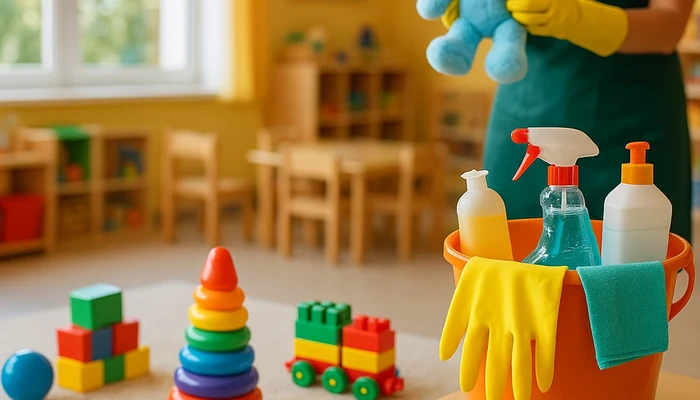
commercial cleaning chicago, daycare disinfection chicago, daycare nap room cleaning chicago, daycare cleaning Cicero, daycare toy sanitizing Fox Lake, daycare play area cleaning Naperville IL, nursery room cleaning Montgomery, daycare classroom cleaning Palos Hills IL, preschool cleaning River North IL, daycare sanitation Bannockburn