 Skip to content
Mastering Hygiene Standards: A Comprehensive Guide to Day Care Center Cleaning Compliance
Operating a day care center in Chicago or anywhere else means navigating a rigorous set of hygiene guidelines shaped by local regulations. For directors, facility managers, and child care staff, understanding these rules is more than a matter of passing inspections – it’s crucial for safeguarding children’s well-being. This guide thoroughly explains hygiene guidelines for day care centers according to local regulations, including practical steps, staff duties, product safety, and compliance frameworks. Whether you need a clear cleaning schedule, want to know which records must be kept, or are weighing professional cleaning versus in-house routines, this article offers actionable answers for decision-makers.
Chicagoland Cleaning Services is committed to helping you create a hygienic, compliant, and child-safe day care environment. Let’s get started with the steps that matter most.
Understanding Local Regulatory Hygiene Standards for Day Care Centers
Each city and state sets specific hygiene requirements for licensed child care operations. In Chicago, such standards are guided by county health departments, state codes, and additional city ordinances. Core elements covered typically include:
- Surface cleaning and disinfection (frequency and methods)
- Toilet, diapering, and handwashing procedures
- Guidelines for food preparation and dining areas
- Laundry and bedding hygiene
- Documentation and record-keeping mandates
Understanding these requirements means regularly reviewing updated health codes (see APIC guidance for infection preventionists), consulting with county inspectors, and staying abreast of best practices outlined by recognized organizations.
Key Hygiene Objectives in Child Care Settings
Protecting Child Health
Children in group care are more vulnerable to pathogens due to developing immune systems and close contact. The main objectives of local hygiene regulations are to:
- Prevent communicable disease outbreaks
- Minimize allergen and asthma triggers
- Reduce pest and odor risks
- Create a visibly clean and welcoming environment for families
Promoting Routine and Emergency Cleaning Protocols
Guidelines distinguish between daily routines and protocols for emergencies such as illness, spills, or contamination, demanding clear procedures and staff training for both scenarios.
Mandatory Daily Cleaning and Disinfecting Routines
What Must Be Cleaned, How Often?
Local regulations provide specific lists of surfaces and objects requiring daily (or more frequent) attention. These typically include:
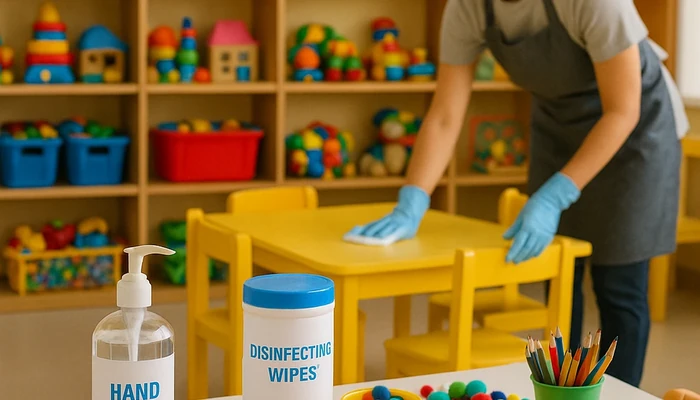
- Toys, play surfaces, and classroom tables
- Bathroom facilities and diaper changing stations
- Door handles, light switches, and high-touch points
- Food contact surfaces (before/after meals)
- Flooring in play and eating areas
Example Structured Comparison: Daily Responsibility Matrix
| Area/Item | Cleaning Frequency | Responsible | Required Product Type |
|---|---|---|---|
| Toys | At least daily; after mouth contact | Classroom staff | Non-toxic disinfectant |
| Toilets & Sinks | After each use & end of day | Designated staff/cleaning crew | EPA-registered disinfectant |
| Tables & Desks | Before/after snack/lunch, daily | Staff | Child-safe cleaner/disinfectant |
| Floors | Daily (or more if soiled) | Janitorial/cleaning team | Approved floor cleaner |
| Handles/Switches | Daily | Staff | Surface disinfectant |
For more depths on supplies, see our Safe Childcare Cleaning Supplies resource.
Deep Cleaning Schedules: Weekly, Monthly & Special Events
Beyond daily routines, regulations call for systematic deep cleaning at scheduled intervals and after certain incidents (e.g., outbreak, seasonal changeover). Weekly or monthly tasks may include:
- Washing all linens, bedding, and rest mats
- Complete floor disinfection and steam cleaning
- Window sills, shelves, and lesser-used surfaces
- Detailed cleaning inside toys, cubbies, and storage
Post-event or illness protocols may require intensified sanitizing, with staff following checklists and logs. Explore more in Maintaining Cleanliness In Day-Care Centers Throughout The Day.
Documentation, Record-Keeping & Inspection-Readiness
Regulatory compliance is not just about the act of cleaning, but also about proving it happened. Local regulations typically demand:
- Daily, weekly, and monthly cleaning logs signed by staff
- Incident reports for spills, exposures, or contamination events
- Product usage logs for disinfectants and cleaning agents
- Training documentation for all staff responsible for cleaning
Having a clear documentation system is your center’s best defense during health inspections and regulatory audits.
Approved Cleaning Products: Child Safety & Compliance
Selecting Safe and Effective Products
Most local rules require use of EPA-approved or similar disinfectants, but also stress child safety. Products should be:
- Non-toxic and labeled as safe for day care/child care use
- Effective against bacteria, viruses, and fungi as listed by the EPA
- Stored securely – not accessible to children
Review our Childcare Cleaning Products: A Guide for a deeper look at safe options.
For worker protection, proper PPE is essential. Reference OSHA’s PPE best practices to keep both children and staff safe from chemical or microbial exposure.
Specialized Areas: Kitchens, Restrooms, Napping Spaces & High-Risk Zones
Kitchens & Dining: Food Safety Regulations
- Clean and sanitize all surfaces before and after meal prep
- Separate utensils for raw and cooked foods
- Strict handwashing protocols for all food handlers
Restrooms & Diapering: Extra Vigilance
- Clean and disinfect diapering stations after each use
- Separate sinks for handwashing and food prep
- Supply and enforce frequent handwashing for staff and children
Napping & Rest Areas: Bedding Hygiene
- Wash sheets, blankets, and mats at least weekly (or after any accident)
- Assign bedding to individual children, never shared
- Disinfect napping mats daily
Find in-depth strategies at Childcare Cleaning Products: A Guide.
Hand Hygiene & Staff Personal Protective Equipment Requirements
Staff are responsible for upholding rigorous hand hygiene, using gloves, and wearing additional personal protective equipment (PPE) when required:
- Handwashing after every diaper change, restroom use, or nose-wiping
- Use disposable gloves for cleaning up bodily fluids, food prep, and cleaning
- Ensure PPE meets OSHA requirements for childcare environments
Common Hygiene Pitfalls in Day Care Settings (and How to Prevent Them)
Despite the best intentions, local health inspectors report common pitfalls that can derail compliance:
- Inconsistent log-keeping or unsigned checklists
- Improper use/storage of cleaning chemicals
- Missed high-touch zones (like door jams or shared electronics)
- Forgetting to update procedures after regulation changes
Prevent these by:
- Holding routine staff retraining
- Auditing cleaning routines monthly
- Choosing professional cleaning partners familiar with local regulations
When to Choose Professional Cleaning: Deciding Between In-House and Outsourced Approaches
Maintaining full compliance requires time, training, and resources. Professional cleaning services offer:
- Trained teams updated on regulatory cleaning standards
- Access to industry-approved, child-safe products
- Detailed documentation and digital logs
- Specialized options for deep cleaning, outbreaks, or emergency response
Evaluate your needs if you encounter:
- Staff turnover creating frequent retraining gaps
- Inspection failures tied to cleaning routines
- Outbreaks, odor issues, or persistent regulatory citations
Chicagoland Cleaning Services partners with day care centers to provide these specialized solutions with flexibility and transparency.
Seasonal, Illness, and Outbreak Response: Upgrading Your Protocols
During cold/flu season or when notifiable diseases strike, local authorities require centers to implement heightened protocols:
- Increase frequency of cleaning and disinfection in every classroom and shared space
- Isolate and deep-clean contaminated spaces immediately
- Document all extra steps and report incidents per local law
Dive deeper into Sickness Season Nursery Cleaning Tips for practical outbreak strategies.
Checklists for Daily, Weekly, and Emergency Hygiene Compliance
Here are condensed reference checklists based on local regulatory priorities:
- Daily: Toys, surfaces, bathrooms, napping spaces, trash removal
- Weekly: Bedding/linen washing, floors and behind furniture, windows
- After illness: Isolate, deep clean, document, notify families per laws
More role-specific checklists can be created, ensuring every staff member knows their responsibilities and timelines.
Training Your Team: Building a Culture of Regulatory Hygiene
Ongoing training is a local regulatory expectation and your best defense:
- Induct all new staff on cleaning schedules and safety
- Hold annual retraining or when laws change
- Role-play scenarios for spill response and documentation completion
Training not only supports compliance, it also builds team accountability and parent trust.
Record Retention and Audit Preparation for Child Care Facilities
In Chicago, centers should:
- Retain cleaning logs for at least 12 months, or as dictated by law
- Keep product and SDS (safety data sheets) on site, available to inspectors
- Regularly audit records for gaps and update as needed
Digitizing records can help streamline this process and support quick retrieval when unexpected regulatory audits occur.
How Families, Staff, and Professional Partners Can Support Hygiene Goals
Community involvement is key:
- Educate parents on hygiene policies and illness reporting requirements
- Empower staff with the right tools and time for cleaning
- Review your partnership with professional cleaners to adjust as needed for school breaks, outbreaks, or new group sizes
See Tips For Keeping Your Chicago Daycare Clean And Safe for actionable ideas parents and teachers can use daily.
Case Studies: Real-World Compliance in Chicago Day Care Centers
Local facilities have successfully passed surprise inspections by:
- Adopting digital checklists linked to staff sign-offs
- Scheduling professional deep cleans after known illness outbreaks
- Providing ongoing staff incentives for spotless classrooms
- Openly communicating hygiene protocols with parents and local health authorities
Facilities that preemptively update procedures with regulatory changes see less disruption and higher parent satisfaction.
FAQ: Hygiene Guidelines For Day Care Centers According To Local Regulations
- How often should day care toys be cleaned?
Toys must be cleaned at least daily, and immediately after being mouthed or soiled. - What documentation do inspectors expect?
Signed daily, weekly, and monthly cleaning logs, product usage records, and staff training documentation. - Can I use homemade cleaning solutions?
Most regulations require EPA-approved or similar products. Homemade mixes may not meet standards. - How should bedding be managed?
Assign to individual children, wash weekly or immediately if soiled, disinfect mats daily. - Do professional cleaning companies know regulatory requirements?
Reputable cleaners specializing in child care, such as Chicagoland Cleaning Services, follow all local mandates and can help ensure compliance. - What happens if my day care fails a hygiene inspection?
You may face citations, corrective action plans, or even suspension if major violations are found. Keeping up with documentation and routine cleaning is your best defense. - How can staff stay updated on local rules?
Regular in-service training and subscribing to updates from local health departments and reputable organizations like APIC are effective strategies. - Who is responsible for hygiene compliance in a day care facility?
Directors/owners hold ultimate responsibility, but all staff must carry out assigned routines and sign logbooks accordingly. - Which areas are most often overlooked?
High-touch surfaces, electronics, under-furniture floors, and less frequently used play materials are commonly missed in routines.
Staying Ahead: Next Steps for Effective Day Care Hygiene Compliance
Meeting and exceeding hygiene guidelines for day care centers requires ongoing commitment to cleaning routines, documentation, and training. Professional cleaning partners can relieve pressure on staff, reduce risk of violations, and help showcase your commitment to child safety for families and inspectors alike.
For recurring or specialty facility cleaning options, consider Daycare facility service or Office cleaning service to support your operational needs.
About Chicagoland Cleaning Services
Chicagoland Cleaning Services helps households and businesses in Chicago, Illinois and nearby areas keep their spaces clean and healthy. With experience in recurring house cleaning, deep cleaning, move out cleaning, office cleaning, and specialty facility cleaning, our trained staff use professional products tailored for every surface. We prioritize flexible scheduling, stringent attention to detail, and long-standing client relationships. Our team is committed to meeting regulatory cleaning standards for day care centers and other sensitive environments while delivering transparent communication and clear pricing.
cleaning commercial services chicago il, daycare classroom cleaning chicago, daycare play area cleaning chicago, daycare cleaning Elgin IL, daycare sanitation Rogers Park, childcare center cleaning West Loop IL, childcare center cleaning Norridge, daycare cleaning Franklin Park, preschool cleaning Fox Lake, daycare toy sanitizing Lombard IL
