Disaster Recovery Clean Up Services: Navigating Safe and Effective Restoration
Disasters—be it flooding, fire, storms, or hazardous spills—can upend lives and workplaces in moments. After the immediate crisis, what follows is a daunting clean up that carries unique risks and requirements. Disaster Recovery Clean Up Services are specialized solutions designed to restore health, safety, and functionality to affected spaces. This comprehensive guide explains what these services involve, step-by-step protocols, industry standards, safety precautions, and how to choose the right professional help. Drawing on real-world examples and best practices, you’ll learn how to approach and evaluate every stage of post-disaster cleaning—empowering you to make informed choices and regain a safe environment with confidence.
Understanding Disaster Recovery Clean Up: Beyond Standard Cleaning
Disaster recovery clean up differs significantly from routine cleaning. While regular cleaning focuses on aesthetics and general hygiene, post-disaster scenarios introduce severe contamination, hazardous debris, and structural challenges that require trained intervention.
- Types of disasters: Flooding, fire, severe storms, chemical spills, biohazard incidents, mold outbreaks.
- Common risks: Water damage, smoke residues, structural instability, contaminants, and biohazardous materials.
- Specialized protocols: Safety assessments, containment, remediation plans, and targeted sanitation.
Phases of Disaster Recovery Clean Up Services
The clean up process unfolds in structured stages, each essential for a thorough and successful recovery.
- Initial Safety Assessment: Evaluating hazards (electrical, chemical, structural).
- Containment & Stabilization: Isolating affected areas, preventing cross-contamination.
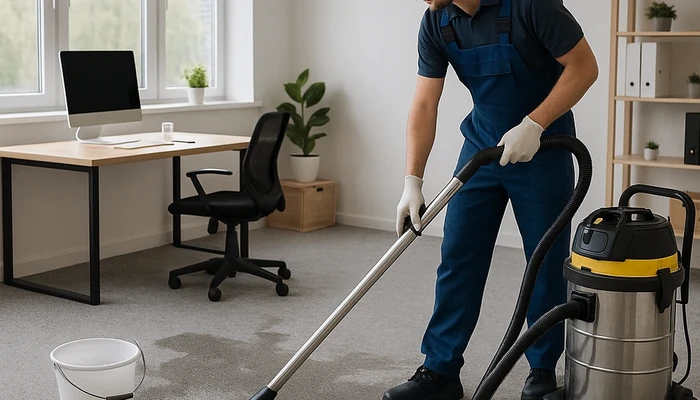
- Debris & Water Removal: Clearing out debris, extracting standing water.
- Deep Cleaning & Sanitization: Removing residues, disinfecting surfaces and air.
- Restoration & Validation: Drying/ventilation, structural repairs, air quality testing.
Differentiating Service Levels: Emergency Response vs. Full Remediation
Disaster clean up companies offer varied service scopes—it’s crucial to know what each entails for an efficient recovery.
- Emergency Clean Up: Rapid mitigation, essential hazard controls to prevent further damage.
- Remediation & Restoration: Complete removal of contaminants, repairs, and final validation for health standards.
- Specialty Clean Up: Addressing unique substances (mold, chemicals, biohazards) per regulatory protocols.
Comparison of Disaster Recovery Service Types
| Service Level | What’s Included | Ideal Use Case |
|---|---|---|
| Emergency Response | Safety assessments, stopgap containment, initial debris clearing | First 24–48 hours post-disaster |
| Full Remediation | Comprehensive removal, disinfection, repairs, air quality validation | Post-hazard for complete restoration |
| Specialty Cleaning | Mold/biohazard removal, chemical cleaning, compliance documentation | Flooding, infectious incidents, hazardous spills |
Critical Risks and Hazards in Disaster Clean Up
Every disaster presents a mix of health and structural dangers—qualified teams use systematic safety approaches to mitigate them.
- Mold and microbial growth after water damage.
- Toxic residues from smoke, soot, or chemicals.
- Sharp debris (glass, metal), instability, risk of falls or collapse.
- Electrical and gas hazards.
- Potential biohazards (sewage, bodily fluids).
Step-by-Step Disaster Recovery Clean Up Checklist
A systematic approach ensures nothing is missed and health risks are minimized at every stage.
- Verify safety & gain clearance to enter structure.
- Document damage (photos, notes for insurance).
- Shut off utilities if necessary (electric, water, gas).
- Put on appropriate PPE (gloves, masks, boots, suits).
- Remove standing water and hazardous debris.
- Sort damaged vs. salvageable materials.
- Deep clean exposed surfaces (walls, floors, fixtures).
- Apply EPA-registered disinfectants; ventilate spaces.
- Inspect for mold and structural damage.
- Final validation: air quality, moisture, safety checks.
Health and Safety Protocols for Post-Disaster Cleaning
Professional recovery teams follow strict health standards, minimizing infection and injury risks.
- Personal Protective Equipment (PPE): Full gear to prevent exposure.
- Air filtration: Use of HEPA filters and negative air machines.
- Regulatory compliance: Aligning with EPA and OSHA guidelines. EPA resources provide protocols for hazardous waste and environmental cleanup.
- Decontamination zones: Limiting the spread of contaminants.
Choosing the Right Disaster Recovery Clean Up Provider
The stakes after a disaster are high—vetting your cleaning company ensures safe, compliant, and timely restoration.
- Credentials: Ask about OSHA/EPA compliance, insurance, and specialty certifications (IICRC, etc.).
- Response capability: 24/7 availability, local knowledge and on-site assessment speed.
- Experience: Track record with similar types of disasters or facilities.
- Transparent pricing: Clear estimates, no hidden fees, support for insurance documentation.
- Communication: Frequent updates, safety notifications, and post-service validation reports.
If you require disaster recovery or other specialty cleaning for specific facilities, you may want to explore options like an Office cleaning service or discuss tailored solutions with the team.
DIY vs. Professional Disaster Clean Up: Making an Informed Choice
- DIY clean up may be feasible for small-scale issues but is risky when dealing with hazardous waste, mold, or large-scale destruction.
- Professionals bring training, proper PPE, specialized equipment (water extractors, air scrubbers), and access to restoration-grade chemicals.
- Improper DIY can worsen contamination and jeopardize insurance claims.
- Professional services provide compliance for regulatory and health standards—vital in workplaces, rental units, and public facilities.
Considerations for Commercial, Residential, and Facility Recovery
Each environment brings unique requirements for disaster clean up:
- Homes/Apartments: Safe re-entry, allergen and mold checks, child-safe cleaning agents.
- Businesses/Offices: Minimizing downtime, technology/equipment remediation, regulatory documentation.
- Special facilities: Medical, educational, or daycare settings require additional infection control. See facility health protocols for more context.
Regulatory Guidelines and Environmental Compliance
Strict adherence to environmental and health regulations helps ensure safety and reduces liability exposure.
- Follow guidelines from the U.S. EPA for waste handling and disposal.
- Understand state and local ordinances relevant to cleaning and restoration in Chicago and Illinois.
- Document chemical usage, disposal, and cleaning methods as required by regulations.
The Role of Technology and Specialized Equipment in Recovery
- Moisture meters: Accurately detect hidden dampness.
- HEPA vacuums and filtration units: Remove fine particulates and pathogens.
- Thermal imaging cameras: Identify water intrusion behind walls or flooring.
- Commercial-grade cleaners: EPA-approved solutions for deep cleaning and sanitization.
For further insights on the impact of professional cleaning post-renovation or disaster, see the article on post-construction cleaning and safety protocols.
Cleaning Checklists for Common Disaster Scenarios
Flood or Water Damage
- Pump out standing water safely.
- Remove soaked materials (carpets, insulation, drywall).
- Run industrial fans and dehumidifiers.
- Inspect for mold growth at 24–48 hours.
- Disinfect with EPA-approved agents.
Fire and Smoke Recovery
- Assess structural and electrical safety.
- Ventilate to remove smoke and soot particles.
- Clean non-porous surfaces with specialized detergents.
- Launder salvageable fabrics; dispose of heavily damaged items.
- Restore HVAC systems to remove odors.
Mold and Hazardous Spills
- Test for contamination extent.
- Isolate area with plastic sheeting and negative air pressure.
- Remove and double-bag contaminated materials.
- Apply fungicidal agents.
- Re-inspect after 2–3 days for regrowth.
Documenting Damage and Navigating Insurance Claims
Proper documentation is essential for both recovery coordination and insurance processes.
- Photograph all damage, debris, and progress at every stage.
- Keep a log of cleaning steps, products, and hours worked.
- Save receipts for services, materials, and repairs.
- Tip: Ask your clean up service for a post-job report detailing all remediation actions performed.
Preventing Secondary Damage after a Disaster
- Speed: Immediate action reduces risk of mold and structural decay.
- Ventilation: Proper air flow to dry dampness and disperse fumes.
- Routine reassessment: Follow up on at-risk areas over weeks to months.
For additional steps on facility longevity, review protocols for maintaining healthy environments even after restoration.
Partnering with a Professional: What to Expect From Start to Finish
Engaging a disaster recovery cleaning company like CHICAGOLAND Cleaning Services means clear communication, documented results, and peace of mind.
- Schedule Assessment: Onsite inspection and customized disaster response plan.
- Implementation: Expert team manages all debris removal, cleaning, and hazard elimination.
- Validation: Testing and final walk-through with documentation for records and insurance.
For businesses recovering from disaster, partnering with professionals ensures all regulatory requirements are met and you can focus on returning to normal operations. If you manage a childcare or educational facility, consider Daycare cleaning or refer to the health standards compliance guide to supplement your recovery protocols.
Integrating Recovery Services Into Ongoing Facility Maintenance
Once your building is restored, ongoing professional cleaning protects against future hazards. Routine cleaning and periodic deep sanitation build resilience and keep spaces healthy across emergencies.
- Schedule regular inspections, especially in high-risk or high-traffic areas.
- Review cleaning protocols for compliance with new health guidelines post-restoration.
Explore additional resources for high-traffic medical spaces and how to adapt ongoing cleaning plans for renewed safety: cleaning for medical offices.
FAQ: Disaster Recovery Clean Up Services
- What qualifies as a disaster for clean up?
Any event with significant property damage and health risks: storms, floods, fire, sewer backup, hazardous spill, or major mold growth. - How soon should disaster clean up begin?
Within 24–48 hours for optimal safety and to reduce secondary damage like mold and decay. - Can I do disaster clean up myself?
Basic clean up is possible for minor issues only. Larger or hazardous situations require professional expertise for health and insurance reasons. - What certifications do quality providers hold?
Look for OSHA, EPA, and IICRC certifications, as well as proper licensing and insurance. - Is disaster recovery cleaning covered by insurance?
Often yes, but coverage depends on your policy and proper documentation. Providers should support claims documentation. - What happens to contaminated belongings?
Items are sorted: salvageable materials are cleaned and sanitized, while irreparable items are safely disposed of. - Are eco-friendly cleaning products used?
Many companies use EPA-approved green products when safe and effective—ask this during provider selection. - How can I prepare for a potential disaster in the future?
Maintain up-to-date insurance, know emergency procedures, and keep important numbers (utilities, recovery services) accessible. - How do disaster clean up teams ensure safety?
Strict use of PPE, zone isolation, air quality management, and compliance with health and environmental standards. - What is the most important step after a disaster?
Ensuring personal and structural safety, followed by immediate documentation and accredited clean up action.
Conclusion: Regain Safety and Confidence After a Disaster
No matter the scope of the emergency, professional Disaster Recovery Clean Up Services are essential to restoring both safety and peace of mind. Understanding each phase—from hazard assessment to insurance documentation—empowers you to take decisive action and choose the right support for your household or business. If you ever face a disaster scenario, prioritize prompt, qualified clean up and lean on trusted partners for a thorough, regulation-compliant recovery.
About CHICAGOLAND Cleaning Services
CHICAGOLAND Cleaning Services helps households and businesses in Chicago, Illinois and nearby areas keep their spaces clean and healthy. With expertise in recurring house cleaning, deep cleaning, move out cleaning, office cleaning, and specialized facility cleaning, our trained staff use professional-grade products and follow strict safety standards to deliver reliable, high-quality results. Count on us for a transparent, professional approach—whether you need routine care or cleaning support after an emergency.
commercial cleaning contractors in the city of chicago, office breakroom cleaning chicago, open office cleaning chicago, office restroom cleaning Lincolnwood IL, office cleaning in Crest Hill, office cleaning Bradley, office workstations cleaning Harvey, office cleaning Albany Park IL, office trash removal Evergreen Park IL, conference room cleaning Glendale Heights