Dental vs Medical Cleaning: Where the Protocols Truly Diverge
Cleanliness in healthcare is non-negotiable, but few realize how much protocols can differ between dental practices and broader medical facilities. Are all clinical environments cleaned the same way? The answer impacts patient safety, regulatory compliance, and your choice of a cleaning provider. In this comprehensive guide, you’ll see exactly where dental and medical cleaning diverge, why their standards aren’t identical, and what that means for day-to-day protocols, checklists, and expectations. We’ll explore regulatory frameworks, step-by-step procedures, frequency recommendations, and unique risk factors. This resource is tailored for those researching professional cleaning companies for dental clinics, medical offices, or other specialized healthcare environments—especially in areas like Chicago. Rely on this as your definitive guide to Dental vs Medical Cleaning: Where the Protocols Truly Diverge.
Understanding the Fundamental Differences: Dental vs Medical Cleaning Overview
Dental and medical settings both demand rigorous cleaning for infection control, but their protocols stem from fundamentally different activities. Dental procedures generate more blood- and saliva-borne aerosols, while general medical offices may focus more on multi-patient rooms and bodily fluid exposures. As a result, their cleaning strategies, frequency, and staff training requirements diverge meaningfully. Cleaning staff entering either environment must understand these contrasts, starting with regulatory frameworks, room function, and specific contamination risks unique to each facility type.
Regulatory Frameworks: Infection Control Rules That Shape Cleaning Protocols
Both sectors are governed by strict regulations, but the agencies and standards aren’t one-size-fits-all. In the U.S., dental offices often follow OSHA’s Bloodborne Pathogens Standard, CDC dental-specific guidelines, and local regulations, reflecting the high risk of cross-infection via aerosols and sharp instruments. Broader medical spaces may follow general CDC environmental cleaning guidance and additional state/federal healthcare rules for outpatient care, surgery, and specialties. A major divergence is the level of instrument sterilization and the intensity of disinfection for surfaces directly exposed to the oral cavity in dental settings.
- Dental-specific requirements: Instrument reprocessing (sterilization), chemical germicides for high-touch surfaces, strict PPE rules for aerosol-generating procedures.
- Medical-specific requirements: Approaches vary between outpatient offices (routine cleaning) and acute settings (terminal cleaning, isolation room protocols), with less instrument reprocessing but more bed/linen hygiene.
Room-by-Room Comparison: Cleaning Protocols in Dental vs Medical Facilities
Every area in a healthcare facility comes with unique cleaning demands. See below for a detailed, side-by-side comparison chart that shows where protocols align—and where they differ most notably between dental and medical environments.
| Area | Dental Office Approach | Medical Office Approach |
|---|---|---|
| Treatment / Patient Rooms | Between-patient disinfection; focus on dental chair, light handles, counters with EPA List N products; strict bioaerosol mitigation | Post-visit surface cleaning, focus on exam table, light switches; less frequent air management |
| Instrument Processing | Instrument segregation, ultrasonic & hand scrubbing, heat sterilization, regular spore testing | Mostly disposal or basic disinfection for non-reusable tools; limited sterilization |
| Waiting/Reception | Frequent disinfection of pens, counters, armrests; attention to airborne droplets | Routine surface wipe-downs; less concern for droplets unless in acute care |
| Restrooms | Priority for staff/visitor facilities with high-frequency touchpoint cleaning | Same: intensive schedule tied to patient volume and risk level |
| Air & Ventilation | HEPA filtration in zones, frequent vent and return grill cleaning, air scrubbers in op-rooms | Regular HVAC maintenance; less frequent portable air scrubbing |
| Staff/Common Areas | Personal protective equipment protocols extend to cleaning zones | Similar PPE in higher-risk medical specialties; less focus in general offices |
Bioaerosols and Cross-Contamination: Unique Dental Risks
No other outpatient environment faces the same volume of aerosolized saliva and blood as a dental clinic. Dental instruments—especially ultrasonic scalers and high-speed rotary tools—produce bioaerosols capable of spreading pathogens over wide areas. Thus, cleaning teams must:
- Apply stringent between-patient surface disinfection in treatment rooms
- Utilize EPA-approved (List N) disinfectants with proven efficacy against bacterial, viral, and fungal threats
- Enforce perimeter cleaning farther from obvious contamination zones, such as on floors, walls, and cabinetry
- Monitor for residue of splatter on less visible surfaces
Special Case: Instrument Sterilization
Unlike medical clinics, which often use single-use tools or wipe-down protocols, dental offices must rigorously sterilize reusable handpieces and impressions. Sterilization logs and process validation are critical for regulatory compliance. For a step-by-step breakdown, see this thorough primer on instrument sterilization.
Disinfectant Selection: From List N to Dental-Only Agents
Both settings must use EPA-registered, healthcare-grade disinfectants, but dental clinics frequently require specialty chemistries that won’t corrode delicate dental chairs or fog equipment screens. Selection considerations:
- Dental: Agents safe for oral exposure, compatible with dental plastics, rapid-acting (relevant during tight appointment schedules)
- Medical: Formulations prioritized for volume, frequency, and diverse surfaces; more attention to broad-spectrum efficacy in multi-patient rooms
Key Decision Points
- Does your setting demand specific virucidal claims (e.g., SARS-CoV-2) or instrument compatibility?
- Is the surface prone to rapid recontamination (like a dental chair between every patient)?
- Will staff need separate disinfectants for hard surfaces versus sensitive equipment?
Protocols in Practice: Step-by-Step Cleaning Flow
While both environments rely on checklists, the rhythm, depth, and triggers for specific actions can vary greatly. Below is a sample comparative outline for key daily cleaning sequences:
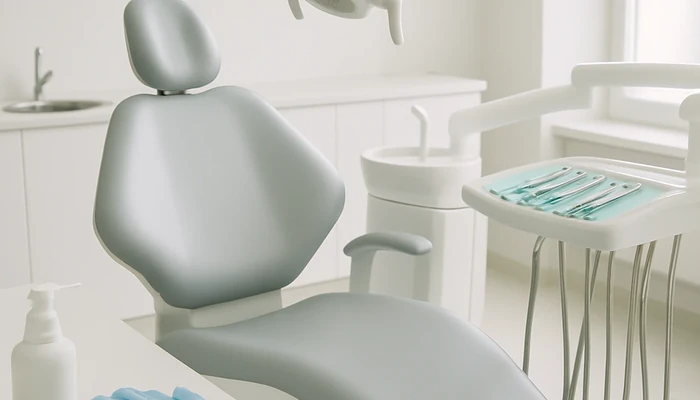
- DENTAL: Complete between-patient wipe-down (dental chair, light, instrument tray); clean clinician stools and floor splash zones after each patient; rigorous nightly deep clean with air filtration checks.
- MEDICAL: Clean exam room high-touch points post-patient (doorknobs, tables, computer peripherals); daily restroom, waiting area disinfection; complete after-hours terminal cleaning once daily or more in high-risk zones.
For deeper protocol details, reference our internal best disinfection techniques for dental offices hub.
Documentation and Logging: Compliance in Dental vs Medical Environments
In both facility types, detailed cleaning logs ensure that all processes are completed as scheduled and to required standards. Documentation is even more crucial in dental clinics:
- Logs typically include between-patient disinfection, instrument sterilization cycles, spore test results, and maintenance of filtration systems.
- Medical clinic logs may focus on room turnover, patient flow, terminal cleaning, and monthly deep-clean records.
These records not only satisfy regulators like OSHA and state health agencies, but also protect your staff and your reputation in the event of a compliance audit.
Staff Training: How Standards and Skillsets Differ
Cleaning professionals in both dental and medical contexts need robust infection control training, but their focus areas differ:
- Dental: Training on bloodborne pathogens, aerosol controls, instrument handling, zone-specific disinfectant use, and incident response protocols (e.g., for spills of potentially infectious materials)
- Medical: Broader focus on sharps safety, bodily fluid hazards, multi-bed space turnover, and specialized cleaning for immunocompromised zones
Standard cleaning companies may not provide dental-specific skillsets, so always vet providers for their expertise in managing oral healthcare settings. For more, see our internal dental office cleaning services decision guide.
Checklists and Routine Audits: Keeping Protocols Consistent
Effective cleaning in both settings depends on validated checklists and regular audits. Typical checklist differences include:
- Dental: More frequent high-touch area entries, sterilization confirmation, PPE change tracking
- Medical: Broader area coverage, less frequent zone-based wipe-downs, focus on room turnover and patient throughput
Independent audits and periodic retraining help ensure that high standards don’t slip as routines become familiar.
Frequency Guidance: Cleaning Schedules That Actually Work
Cleaning schedules are structured by risk assessment. Below is a guideline for common areas:
- DENTAL: Between every patient (clinical surfaces, equipment), hourly (reception, bathrooms during peak times), nightly (whole-practice deep clean)
- MEDICAL: After each patient (exam room surfaces), every few hours/day (waiting, restroom areas), daily or multi-daily (high-acuity spaces)
Special Concerns: Multi-Use Equipment, Shared Spaces, and Isolation Cases
Dental practices typically have fewer shared rooms but greater risk per procedure. Medical offices must segment protocols for waiting areas, shared equipment (e.g., sphygmomanometers), and potential isolation of contagious patients.
- Dental: Chairside equipment is cleaned between EVERY use
- Medical: Bedside tablets, stethoscopes, and other equipment must be disinfected between patients
- Isolation: Both settings have protocols for confirmed or suspected infectious cases, but dental offices more commonly apply universal precautions at all times
Patient Communication: Explaining Cleaning Standards
Transparent cleaning protocols foster patient trust. Dental offices often display checklists or certificates of instrument spore testing, while medical offices may focus communication on daily cleaning rounds and signage. Both benefit from actively sharing their commitment to hygiene.
- List most recent disinfection times in public areas
- Provide hand sanitizer stations and access to cleaning logs on request
Decision Framework: When Does a Facility Need Dental vs Medical Protocols?
If you operate or manage a facility offering both dental and medical services or are considering an upgrade, use these criteria to determine which protocols should take priority:
- Aerosol-generating procedures? If yes, follow dental protocols for cleaning and PPE.
- Do you handle sharps or reusable oral instruments? Dental-depth sterilization must apply.
- Multi-patient spaces vs. single treatment rooms? Medical clinics: emphasize area turnover; Dental: prioritize deep between-patient disinfecting.
- Care for immunocompromised populations? Follow the stricter protocol in each area.
For sites in Chicago and similar urban health hubs, the mix of patient populations and regulatory oversight may demand dual-standard cleaning protocols. Consult a specialized company like CHICAGOLAND Cleaning Services for tailored solutions.
Evaluating Professional Cleaning Providers: What Sets Experts Apart?
Whether you manage a dental or medical office (or both under one roof), here’s how to assess cleaning companies:
- Do they provide site-specific cleaning checklists that reflect your office’s procedures?
- Can they certify staff who understand dental practice infection control standards and medical-grade cleaning?
- Are records maintained digitally, with real-time audit trails?
- Can the company flex for urgent situations, such as a confirmed infectious patient?
Be sure to request references from other healthcare providers and confirm product safety data sheets (SDS) for all disinfectants used. Explore more decision criteria in our companion post on choosing the best dental office cleaning services.
Frequently Asked Questions About Dental vs Medical Cleaning Protocols
- How does dental cleaning differ from general office or medical facility cleaning?
- Dental cleaning involves stricter protocols around aerosol and bloodborne pathogen control, more frequent disinfection between patients, and universal instrument sterilization—governed by OSHA, CDC dental guidelines, and local regulations.
- What regulatory guidelines should my dental practice follow?
- OSHA’s Bloodborne Pathogens Standard, CDC’s dental infection prevention guidelines, and state/local health codes guide dental practice cleaning. Regular reviews ensure ongoing compliance.
- Are dental disinfectants different from those used in medical settings?
- Yes; dental offices need rapid-acting, non-damaging chemical agents for oral exposure and delicate equipment. Always check for EPA List N approval and equipment compatibility.
- How often should a dental office be cleaned?
- Dentist offices require cleaning between every patient in treatment rooms, hourly or as needed for high-touch public spaces, and nightly throughout the entire facility.
- Who can clean dental or medical facilities professionally?
- Choose providers with validated healthcare cleaning training and experience in either dental or medical environments—with documented checklists, logs, and references.
- How are cleaning protocols monitored and enforced?
- Via cleaning logs, regular audits, ongoing staff retraining, product safety data records, and compliance inspections from facility leadership or third-party services.
- What’s the role of air filtration in dental versus medical office cleaning?
- HEPA air filtration and air scrubbing are more critical in dental offices due to higher bioaerosol production during procedures.
- What’s a best practice if my facility serves both dental and standard medical care?
- Use the stricter cleaning element in shared spaces; separate cleaning supply chains for dental vs medical zones where possible.
Your Next Steps: Choosing the Right Protocol and Provider
Dental and medical environments each demand careful, tailored cleaning protocols to prevent infection and foster trust. Use this knowledge to:
- Audit your current processes against regulatory requirements
- Communicate transparently with patients and staff about hygiene protocols
- Define checklists unique to your treatment areas
Ready for specialized cleaning support? Explore dental office cleaning or schedule your medical office cleaning service now—and bring your protocols to the next level.
About CHICAGOLAND Cleaning Services
CHICAGOLAND Cleaning Services helps households and businesses in Chicago, Illinois, and nearby areas keep their spaces clean and healthy. Specializing in recurring house cleaning, deep cleaning, move out cleaning, office cleaning, and facility cleaning, our trained staff follow strict quality checklists and use professional-grade equipment tailored to each environment. We are committed to transparent communication, clear pricing, long-term client relationships, and best practices that align with regulatory standards for hygiene and safety.
commercial chicago cleaning company, treatment dental room cleaning Cleaning Services Chicago, dental operatory cleaning Cleaning Services Chicago, dental chair area cleaning Wood Dale IL, treatment dental room cleaning Burbank IL, dental office cleaning Bucktown IL, waiting dental room cleaning Cicero, dental office restrooms cleaning Lincoln Park IL, dental clinic cleaning Aurora, dental office disinfection Harvey