
Eco-Friendly Restaurant Cleaning Solutions: Protecting Food, Health, and the Environment
With increasing focus on environmental impact and guest safety, restaurant owners and managers in Chicago and beyond are seeking reliable eco-friendly restaurant cleaning solutions. This guide will walk you through practical strategies for cleaning kitchens, dining areas, and special spaces with earth-conscious products and techniques. You’ll learn the unique benefits of sustainable cleaning, how to select products and tools, structure effective protocols, and foster a healthier environment for both guests and staff. Backed by industry expertise from CHICAGOLAND Cleaning Services, our approach emphasizes compliance, safety, and operational excellence.
The Urgency Behind Eco-Friendly Restaurant Cleaning
Why Sustainability Matters for Food Businesses
- Reduces health risks from residues and strong chemicals
- Protects air and water quality with low-toxicity options
- Enhances your reputation as a responsible, modern food establishment
How Eco-Friendly Cleaning Aligns with Chicago’s Environmental Goals
Chicago has made sustainability a key part of its local regulatory efforts. Using eco-friendly products can help your establishment follow regional guidance—including recommendations from the EPA’s Midwest office—supporting community health and environmental preservation.
Core Principles of Eco-Friendly Restaurant Cleaning Solutions
What Defines an Eco-Friendly Cleaning Program?
- Use of biodegradable, non-toxic supplies and products
- Efficient equipment with minimal water and energy waste
- Routine staff training for proper dilution and safe application
Balancing Hygiene, Food Safety, and Sustainability
Cleaning protocols must pass rigorous food safety standards while reducing chemical exposure and environmental impact. Modern programs blend certified green products, precise checklists, and proven methods to satisfy both requirements.
Evaluating Eco-Friendly Cleaning Products: Criteria and Certifications
What to Look for in Green Cleaning Products
- Certified labels: Green Seal, EPA Safer Choice, EcoLogo
- Fragrance-free or natural scents
- Non-corrosive and safe around food prep areas
- Readily biodegradable in local water treatment systems
Product Categories Frequently Used in Restaurants
| Product Type | Eco-Friendly Alternative | Key Benefit |
|---|---|---|
| All-Purpose Cleaner | Plant-based enzymatic spray | Reduces residues, low volatility |
| Degreaser | Citrus or soy-based degreasers | Breaks down fats naturally |
| Disinfectant | Hydrogen peroxide-based | Broad-spectrum, no harsh fumes |
| Floor Cleaner | pH-neutral concentrate | Safe for staff and patrons |
| Glass Cleaner | Vinegar & water blend | Low streak, zero VOCs |
Reading Labels: Warnings and Opportunities
- Check for revealed ingredients and avoid long lists of synthetic chemicals.
- Favor concentrated products with refillable packaging.
- Confirm certifications from recognized third parties.
Building a Green Cleaning Protocol for Restaurants
Step 1: Analyze Your Space and Workflow
Map your kitchen, dining room, restrooms, entryways, and high-traffic points. Note heavy grease areas vs. light soil locations and the materials that need careful handling.
Step 2: Develop a Product and Tool Inventory
- Microfiber cloths and mops for improved dirt capture and less chemical use
- HEPA-filter vacuums instead of sweeping, which reduces airborne dust
- Color-coded cloths to prevent cross-contamination (e.g., red for restrooms, blue for kitchen)
Step 3: Write Checklists for Staff
Every cleaning session should reference a checklist specific to area and frequency. (See structured example below.)
Sample Green Cleaning Checklist for Food Establishments
- Remove debris and visible dirt using dry microfiber tools
- Apply pre-diluted plant-based cleaner to all high-touch surfaces
- Disinfect handles, switches, and counters with EPA-approved green disinfectant
- Mop floors with pH-neutral, low-residue solution
- Inspect for leftover grime; repeat as needed
Tackling the Kitchen: Grease, Grime, and Eco-Conscious Solutions
Key Challenges
- Grease buildups on floors, hoods, and equipment
- Food residue leading to slip hazards and pest attraction
Recommended Green Cleaning Practices for Kitchens
- Spot-clean throughout the shift with microfiber towels and natural degreasers
- Weekly deep cleans using enzyme formulations to break down fats naturally
- Steam cleaning for surfaces resistant to moisture
- Use of water-efficient spray equipment
For more on removing kitchen grease, reference our detailed guide on kitchen floor grease cleaning.
Front-of-House and Dining Area: Sustainable Touchpoints
Best Practices for a Green Guest Environment
- Clean tables and chairs with diluted, food-safe solutions between every guest
- Use washable tableware and limit single-use plastics where possible
- Dust decor with dry microfiber, avoiding aerosol sprays
- Incorporate air purification strategies, such as HEPA equipment
Eco-Friendly Dining Room Cleaning Frequency
| Area | Touchpoint | Eco-Friendly Method | Typical Frequency |
|---|---|---|---|
| Tables & Chairs | Surfaces, backs | Plant-based spray + microfiber | After every party |
| Floors | Entry, aisles | Damp mopping / low-water cleaning | Daily |
| Windows | Inside, outside | Vinegar-based cleaner | 1–2x/week |
| Restrooms | Sinks, toilets | Biodegradable disinfectant wipes | 1–4x/day |
See tips to sustain restaurant cleanliness and guest perception.
Children’s Play Areas and Special Sections: Green Strategies for Sensitive Spaces
Mitigating Germs Without Harsh Chemicals
- Choose hydrogen peroxide and peroxide wipes for rapid action and fast drying
- Routinely clean and disinfect toys, blocks, and climbing elements—at minimum daily, more frequently with visible soil
- Favor machine-washable soft furnishings and regularly launder them
For more on safe practices for toys and kids’ spaces, reference our dedicated article on children’s area cleaning.
Waste Management and Recycling: A Greener Approach to Disposal
Responsible Practices for Restaurant Waste
- Separate food scraps from recyclables with clear, color-coded bins
- Partner with local composting or food recycling services
- Minimize landfill-bound waste by reducing disposable supply use
How to Train and Empower Your Staff
- Hold briefings on waste sorting and eco-friendly disposal methods
- Use posted reminders at disposal points
- Incorporate green expectations into your staff handbook
Optimizing Your Cleaning Schedule for Efficiency and Environmental Impact
Mapping Out High and Low Frequency Tasks
- Daily: Counters, guest tables, touchpoints, bathrooms
- Weekly: Walls, vents, light fixtures, deep equipment cleaning
- Monthly: Ceiling tiles, HVAC grilles, full inventory rotation
Using Checklists and Digital Tools to Reduce Redundancy
Switching to digital or printed green cleaning logs minimizes paperwork, centralizes protocols, and helps monitor progress over time. This also reduces supply waste from overuse.
For more on optimizing cleaning schedules, see our advice on restaurant cleaning scheduling.
Staff Training for Safe, Green Restaurant Cleaning
The Importance of Continuous Education
Training is critical: even the safest cleaners require correct handling. Teams should always follow product label instructions for dilution, storage, and application, as recommended in the Infection Preventionist Competency Model for the hospitality field.
Effective Green Cleaning Training Steps
- Demonstrate safe use of concentrated eco-friendly products
- Show proper microfiber folding and color coding
- Practice time-saving cleaning routes to reduce idle energy use
- Review safe disposal of mop water and used wipes
- Provide refresher workshops every quarter
Choosing Professional Support for Eco-Friendly Restaurant Cleaning
When to Bring in Green Cleaning Pros
- Complex equipment or exhaust hoods needing specialized degreasing
- Large venues with limited on-site cleaning staff
- Deep seasonal cleaning or pre-inspection preparation
Trained contractors like CHICAGOLAND Cleaning Services use professional, certified products and follow advanced checklists for both standard and specialty areas. If you need reliable coverage for high-standard green cleaning, consider a restaurant cleaning service.
Documenting, Auditing, and Improving Eco-Friendly Cleaning Results
How to Track Your Restaurant’s Cleanliness and Sustainability Progress
- Maintain an up-to-date schedule and checklist record for inspection visits
- Survey staff and guests for satisfaction on cleanliness and air quality
- Review supply consumption quarterly to reduce unnecessary product use
- Stay current on city-level health codes and EPA recommendations
Real-World Example: Green Cleaning in a Busy Chicago Restaurant
One local bistro swapped chemical-heavy degreasers for soy-based options, trained employees in diluted product use, and began tracking water consumption. Over six months, guest feedback cited fresher air and improved restroom cleanliness—with no compliance issues during surprise city health inspections.
Sustainability Benefits: Health, Safety, and Business Value
Measurable Advantages of Eco-Friendly Cleaning Practices
- Reduced sick days and potential for allergic reactions among staff and diners
- Compliance with evolving food safety and workplace standards
- Lower long-term product and utility costs
- Enhanced reputation and customer trust—especially among eco-conscious consumers
Integrating Sustainability Into Your Restaurant Brand
Promoting your sustainable cleaning efforts in menus, websites, or in-store signage demonstrates commitment and can set your brand apart in Chicago’s competitive culinary scene. For more insights, explore the benefits of preventive cleaning programs.
Adapting Eco-Friendly Solutions for Unique Restaurant Spaces
Themed and High-Concept Venues
- Select specialty tools and non-corrosive cleansers to protect finishes and decor
- Coordinate cleaning times around high-traffic and special event hours
Ensuring Consistency Across Different Layouts and Surfaces
- Customize protocols for bars, lounges, patios, or kids’ corners
- Document any changes in routine for new or changing spaces
See approaches for unique environments in themed restaurant cleaning.
Communication Strategies: Keeping Staff and Guests Informed
Transparency and Documentation
- Place signage in restrooms and dining areas about eco-friendly cleaning initiatives
- Include cleaning schedules and product lists in training manuals
- Share updates in internal communications and digital platforms for staff
Addressing Guest Questions
Train managers and servers to answer guest inquiries about sanitation protocols and product safety, demonstrating your commitment to excellence and care.
Frequently Asked Questions About Eco-Friendly Restaurant Cleaning Solutions
What are the most effective eco-friendly products for restaurant kitchens?
Citrus- and enzyme-based degreasers, hydrogen peroxide disinfectants, and pH-neutral floor cleaners with EPA Safer Choice certification offer both cleaning strength and sustainability.
How does green cleaning impact food safety?
When used as directed, certified green cleaners meet or exceed regulatory cleaning standards, reducing chemical residues and improving staff safety.
Is it more expensive to switch to eco-friendly cleaning solutions?
Upfront costs may be slightly higher, but long-term use, concentrate dilution, waste reduction, and healthier environments can lower total expenses.
Can green cleaning products remove tough grease in commercial kitchens?
Yes—plant-derived degreasers and modern enzyme cleaners break down fats and oils effectively while avoiding corrosive chemicals.
Does switching to green cleaning impact health inspections?
Using certified products and maintaining clear cleaning records helps restaurants meet or exceed local and federal inspection requirements. Always check current Chicago regulations for the latest standards.
How frequently should eco-friendly disinfection occur in dining areas?
High-touch areas should be disinfected after each guest, and bathrooms at least 1–4 times daily, depending on traffic.
Are there eco-friendly cleaning options safe for allergy-sensitive guests?
Most certified green products are low-fragrance and low-VOC, reducing risk to sensitive individuals. Always check product details and guest feedback.
What staff training is needed for sustainable cleaning?
Team members require instruction on proper dilution, label reading, equipment use, and safe disposal procedures, refreshed quarterly for best outcomes.
How do I communicate my restaurant’s eco-friendly cleaning to customers?
Use menu notes, entry signage, staff training, and digital platforms to convey your commitment to health and sustainability for guest confidence.
Can a professional service provide reliable eco-friendly solutions?
Yes, firms such as CHICAGOLAND Cleaning Services use proven green products, train staff in best practices, and offer flexible plans for Chicago-area restaurants.
Next Steps: Implementing and Refining Your Green Cleaning Program
Ready to upgrade your restaurant’s program with eco-friendly restaurant cleaning solutions? Start with a space assessment, switch to certified green products, and train your team for new protocols. For deep cleans or full-service support, consult a reliable restaurant cleaning service that shares your commitment to sustainability.
About CHICAGOLAND Cleaning Services
CHICAGOLAND Cleaning Services helps households and businesses in Chicago, Illinois and nearby areas keep their spaces clean and healthy. With a focus on recurring house cleaning, deep cleaning, move out cleaning, office cleaning, and specialized facility solutions, we prioritize staff training, green cleaning products, and strict safety standards. Our team is committed to transparent communication, consistent quality, and building lasting relationships with every client.
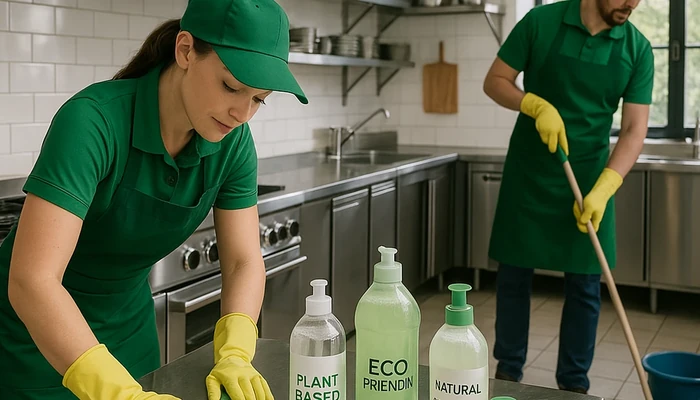
commercial cleaning contractors in the city of chicago, kitchen industrial cleaning chicago, restaurant cleaning chicago il, restaurant cleaning River Grove, dish restaurant area cleaning Bucktown IL, restaurant cleaning River North IL, restaurant cleaning Evanston IL, bar cleaning South Loop, restaurant kitchen cleaning Willowbrook, bar cleaning Wood Dale