 Skip to content
Expert Strategies and Essential Tips For Keeping Your Chicago Daycare Clean And Safe
Running a daycare in Chicago means more than simply nurturing children — it demands an environment where cleanliness and safety are non-negotiable. With energetic little ones, seasonal weather changes, and urban challenges, Chicago daycare providers need robust strategies to protect kids, staff, and families. In this complete guide, you’ll learn the most effective tips for keeping your Chicago daycare clean and safe from the ground up. Discover practical routines, product recommendations, compliance essentials, and expert advice from professionals at Chicagoland Cleaning Services.
Understanding Unique Cleaning Needs in Chicago Daycares
Unlike standard home or office spaces, daycares face unique cleaning challenges. High occupancy, shared toys, and constant activity create opportunities for germs to spread. Chicago’s climate—snow, rain, and urban dust—often means extra work to keep floors and surfaces clean and safe for all children.
Key challenges Chicago daycares encounter:
- Frequent outdoor-to-indoor transitions, tracking in dirt and debris
- Packed schedules with limited cleaning breaks
- Strict local regulations around childcare cleanliness
- Food prep and eating areas in proximity to play zones
Addressing these issues calls for thoughtful protocols and consistent attention.
Core Principles: Maintaining Safety and Hygiene Every Day
To protect children and staff, your cleaning plan must focus on:
- Frequent handwashing stations ideally accessible to children and staff
- Daily disinfection of high-touch and shared items like doorknobs, light switches, and toys
- Floor cleaning multiple times daily, especially during wet or snowy weather
- Separation of food preparation and play/nap areas
- Safe, child-friendly cleaning products used per-product instructions
Staying proactive is key. Waiting until messes accumulate or illness spreads can put children and staff at risk.
Building a Daycare-Specific Cleaning Schedule
Establish a schedule that addresses:
- Frequency and timing of daily cleaning tasks
- Staff responsibilities: who cleans what, and when
- Weekly and monthly deep cleaning protocols
- Immediate response plans for spills, accidents, or sick children
A well-defined cleaning schedule ensures consistency — an essential factor for long-term safety and trust.
| Area | Task | Frequency |
|---|---|---|
| Floors (entrances, playrooms) | Sweep/mop | 2-3 times/day |
| Restrooms | Disinfect surfaces | After each use & end of day |
| Toys | Wash/sanitize | Daily for shared/weekly for low-use |
| Nap areas | Launder bedding | Weekly or after accidents |
| Food prep | Sanitize tables/surfaces | Before/after each meal |
Checklist: Cleaning and Disinfecting High-Touch Surfaces
- Doorknobs and door frames
- Light switches
- Tabletops and desks
- Computer keyboards/mice (if used)
- Cribs and cots railings
- Shared electronic toys
- Toilets and faucet handles
- Handrails (stairs/hallways)
Clean these items multiple times per day, especially during cold and flu season.
Safe Cleaning Products for Daycare Environments
Products must be both effective against germs and safe for children. Always select EPA-approved disinfectants, but avoid harsh chemicals that could trigger allergies or asthma. For insights into safe cleaning supply choices, see Safe Childcare Cleaning Supplies.
- Read labels for recommended use in childcare
- Store products securely out of children’s reach
- Follow dwell times: let disinfectants sit per instructions before wiping
When possible, opt for fragrance-free and hypoallergenic formulations. For a product comparison and recommendations, visit Childcare Cleaning Products: A Guide.
Handling Food Prep, Dining, and Snack Areas Safely
Food-related messes require prompt cleaning to prevent contamination and pest problems. Instruct staff to:
- Wash hands before and after handling food
- Wipe and disinfect meal prep surfaces both pre- and post-use
- Launder bibs and linens daily
- Refrigerate perishables right away, label and date leftovers
Regularly check for crumbs and spills around eating areas to minimize odor and infestation risk.
Managing Odors and Stains in Busy Daycare Spaces
Spills, accidents, and high traffic are part of daily daycare life. Odors and stains can develop unless managed proactively. For advanced methods, see Eliminating Odors And Stains In Day Care Areas.
- Spot-clean spills immediately with safe, absorbent cleaners
- Launder soiled clothing and linens promptly
- Use unscented, child-safe enzymatic cleaners where needed
- Ensure proper ventilation to control moisture and air quality
Avoid masking odors with strong fragrances; address the source instead.
Special Cleaning Strategies for Sickness Season
Peak cold and flu season increases cleaning demands in Chicago’s daycares. Adapt your protocols using targeted measures:
- Sanitize shared toys and books every day
- Disinfect doorknobs, tables, and restrooms more frequently
- Ask families to keep sick children home; have contingency plans for disinfecting after illness
Consult our resource Sickness Season Nursery Cleaning Tips for a full action plan.
List: Daycare Items That Require Daily Attention
- Shared activity tables
- Soft toys, when washable
- Crib sheets/nap mats after use by a sick child
- Lunch room chairs and booster seats
- Handwashing sinks and faucets
- Diaper changing stations
Instruct staff to log completed cleaning tasks for accountability and transparency.
Maintaining Cleanliness Throughout the Day: Continuous Routines
Cleanliness isn’t a once-daily task — it’s ongoing. Set routines that fit your center’s flow. For effective strategies, reference Maintaining Cleanliness In Day-Care Centers Throughout The Day.
- Wipe down shared surfaces after each group activity
- Supervise child handwashing before meals, after restroom breaks, and after outside play
- Remove trash and change liners before bins overflow
- Keep cleaning supplies immediately available, but safely stored
Emphasize immediate, not delayed, response to messes.
Hygiene Guidelines: Meeting Chicago’s Childcare Regulations
Regulations dictate minimum standards for daycare hygiene. Ensure ongoing compliance by understanding these rules. For a detailed review, see Hygiene Guidelines For Day Care Centers According To Local Regulations.
- Document cleaning frequencies for inspection readiness
- Keep Material Safety Data Sheets (MSDS) for all cleaning agents
- Follow safe asbestos management particularly in older buildings, as described by the U.S. EPA
- Train all staff in proper cleaning and disinfecting procedures
Stay aware of evolving local guidelines. If you’re uncertain, consult professional resources or local agencies.
Cleaning Toys, Napping Areas, and Shared Equipment
Toys and soft furnishings easily harbor germs.
- Wash washable toys daily using mild soap and water
- Disinfect hard toys using child-safe solutions
- Rotate plush toys to allow thorough drying between uses
- Launder napping mats, sheets, and blankets at least weekly
See additional guidance in Childcare Cleaning Products: A Guide.
Staff Training: Empowering Employees for Safer Spaces
Even the best schedule falls short without proper staff training. Best practices include:
- Annual refreshers on cleaning and disinfecting techniques
- Detailed orientation for new team members
- Reviewing local health standards and documentation requirements
- Hands-on demonstrations of cleaning high-risk areas
When in doubt, turn to professional expertise to fill training gaps and keep your facility in top shape.
Ventilation, Air Quality, and Allergens in Chicago Daycares
Airborne contaminants can affect children’s health. Best practices include:
- Open windows when weather allows
- Inspect HVAC filters monthly and change as needed
- Use air purifiers in high-traffic or nap areas
- Avoid overuse of air fresheners
Consult trusted prevention strategies from authoritative sources such as the Association for Professionals in Infection Control and Epidemiology (APIC) for more on indoor air safety.
Common Scenarios: Responding to Accidents and Spills
No plan is complete without protocols for sudden messes. Urine, vomit, and dropped food need swift and targeted cleanup:
- Segregate the area and keep children away
- Don gloves and PPE as appropriate
- Absorb and remove the mess using disposable towels
- Disinfect the affected surfaces thoroughly
- Launder or discard any contaminated materials
Keep response kits accessible and well supplied, with clear instructions available for all staff.
Engaging Families and Caregivers in Cleanliness Efforts
Families play a key role in maintaining a hygienic daycare. Foster collaboration by:
- Communicating policies for sick children and return-to-care criteria
- Providing clear drop-off and pick-up routines to minimize congestion
- Encouraging hand hygiene at entry/exit points
- Regularly sharing updates about cleaning measures
Open communication builds trust and reinforces the importance of your childcare environment’s safety.
FAQ: Keeping Chicago Daycares Clean and Safe
What cleaning products are safest for use around young children?
Choose EPA-approved products labeled for childcare. Avoid bleach or ammonia-based formulas and always follow the manufacturer’s instructions. For options, visit Safe Childcare Cleaning Supplies.
How often should shared toys be cleaned?
Clean and disinfect daily, or immediately after contact with saliva or illness. Rotate toys to allow for proper cleaning and drying.
Is deep cleaning necessary every week?
Routine daily cleaning is crucial. Deep cleaning tasks, such as washing curtains or machine-scrubbing floors, should be completed weekly or as needed based on activity and occupancy levels.
What steps should staff take during sickness outbreaks?
Increase the frequency of disinfecting high-contact areas, encourage ill children to stay home, and follow additional guidance in Sickness Season Nursery Cleaning Tips.
How can daycares minimize allergens and respiratory risks?
Regular dusting, HEPA filter use, weekly laundering of fabrics, and avoiding strong fragrances can all help lower risks.
Are there regulations on cleaning frequency in Chicago?
Yes. Local regulations set minimum standards for cleaning different areas and require documentation. For details see Hygiene Guidelines For Day Care Centers According To Local Regulations.
How should napping mats and bedding be handled?
Launder weekly and immediately after contamination. Store bedding individually and keep it separated to prevent germ spread.
What is the best way to train daycare staff on cleaning protocols?
Conduct initial and annual training, use clear written procedures, provide demonstrations, and encourage peer support for best results.
How do you clean soft toys safely?
If machine washable, use gentle cycles. For non-washable items, use a damp cloth with mild detergent and dry thoroughly.
Who should perform daycare cleaning tasks?
Ideally, a mix of trained staff and professional cleaning teams. Assign clear routines and schedules, and supplement with certified professional services for deep and specialty cleaning.
Conclusion: Building a Culture of Ongoing Cleanliness and Safety
A clean and safe daycare is fundamental for child and staff well-being. By establishing clear routines—supported by ongoing staff training, safe product choices, and diligent record-keeping—you minimize risks and set a new standard for care in Chicago. Ready to take your facility’s hygiene to the next level? Consider consulting professional teams for a customized assessment, or explore Daycare cleaning service for tailored support.
About Chicagoland Cleaning Services
Chicagoland Cleaning Services helps households and businesses in Chicago, Illinois and nearby areas keep their spaces clean and healthy. With a reputation for dependable, detail-oriented cleaning, our trained teams specialize in recurring house cleaning, deep cleaning, move out cleaning, office cleaning, and facility cleaning. We use professional, surface-appropriate products and uphold the highest safety standards in everything we do. Transparent communication, flexible scheduling, and long-term client care are the hallmarks of every cleaning project we undertake.
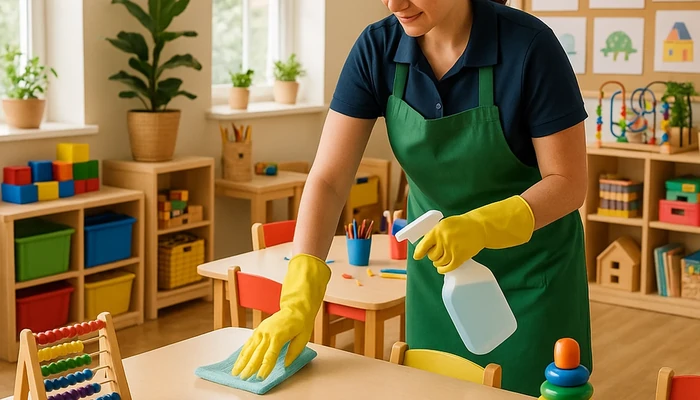
cleaning commercial service chicago, daycare cleaning chicago il, daycare disinfection chicago, nursery room cleaning South Loop IL, daycare classroom cleaning Westmont, daycare classroom cleaning Burr Ridge, daycare nap room cleaning Alsip IL, daycare sanitation Vernon Hills, daycare classroom cleaning Rogers Park, daycare cleaning Wheeling
