Maintaining Dental Clinic Cleanliness: Complete Steps & Best Practices
Maintaining dental clinic cleanliness is a critical responsibility for anyone running or managing a dental practice. Whether you are a practice owner, office manager, or someone seeking reliable professional cleaning services, this guide will help you understand what truly goes into keeping dental environments safe, hygienic, and compliant. We’ll break down daily, weekly, and periodic protocols, offer clear frameworks for critical decision points, and provide checklists, product recommendations, and expert insight. All information is geared specifically for dental settings, with a close focus on evidence-based procedures and Chicago-area regulatory context. Let’s get started on elevating your clinic’s cleanliness standards.
The Unique Hygiene Standards of Dental Clinics
Dental practices face heightened cleanliness expectations due to the risks of cross-contamination, bloodborne pathogens, and airborne microbes. Regulatory agencies—including OSHA and CDC—mandate strict protocols in patient treatment areas, sterilization spaces, and common zones.
- High bioaerosol levels from dental procedures increase transmission risks.
- Surfaces come into frequent contact with bodily fluids and respiratory droplets.
- Patients and staff share confined spaces—air quality and rapid turnover are crucial.
Dental staff must understand these risks and commit to thorough protocols beyond general office cleaning. For more on regulatory frameworks, reference OSHA bloodborne pathogens standards.
Regulatory Requirements and Professional Guidelines
Compliance is non-negotiable for dental clinics. Key areas subject to regulation include:
- Hand hygiene and PPE use
- Environmental (surface and air) cleaning
- Instrument processing—disinfection versus sterilization
- Documentation and quality assurance
Familiarize your team with official guidance such as the AORN eGuidelines Plus for perioperative standards, which inform many dental clinic practices.
Framework for Assessing High- and Low-Risk Zones
Systematic cleaning begins with a risk-based zoning model, which prioritizes areas based on their exposure to contaminants:
- Critical zones: treatment rooms, instrument sterilization corners
- Semicritical zones: radiology rooms, staff changing areas
- General zones: reception, waiting areas, restrooms
Approach each zone with the appropriate cleaning frequency, products, and protocols. Assign staff responsibilities by area to improve accountability and consistency.
Daily Cleaning Protocols in Dental Clinics
Daily efforts set the baseline for long-term cleanliness. Essential steps include:
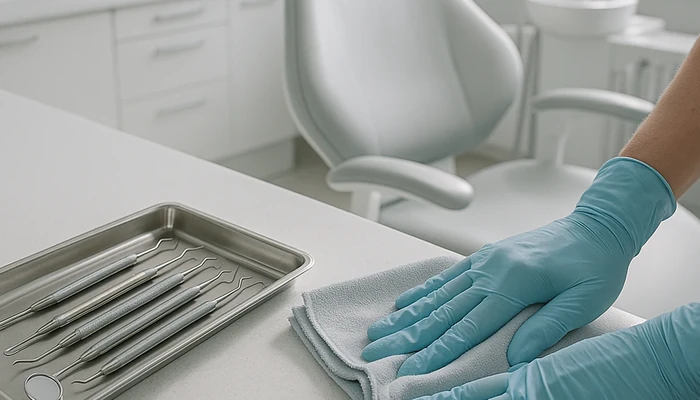
- Disinfect all countertops, dental chairs, light handles, and instrument trays between patients.
- Replace disposable barriers and deep-wipe high-touch areas every shift.
- Mop and spot-clean floors, especially near operatory chairs.
- Empty and sanitize waste bins in both clinical and public spaces.
- Ensure restroom hygiene with frequent checks and disinfection cycles.
Staff should use products compatible with dental equipment and sensitive materials.
Weekly and Periodic Deep Cleaning Schedules
Some tasks require less frequent but more intensive attention:
- Scrub and disinfect walls, baseboards, and vents
- Inspect and clean HVAC returns and filters
- Thoroughly wipe inside cabinets and storage areas
- Polish glass partitions and sanitize touchscreens
- Deep clean staff breakrooms, lunch areas, and locker rooms
A detailed schedule—customized to your clinic size and patient volume—ensures nothing is overlooked.
Checklist: Essential Supplies and Products for Dental Environments
Only select products that meet infection-control standards. Your clinic should always be stocked with:
- EPA-registered disinfectant sprays and wipes
- Single-use barriers (for chairs, handles, and consoles)
- Personal protective equipment (gloves, masks, gowns, eye protection)
- Non-abrasive, surface-compatible cleaners
- Instrument processing chemicals (for pre-cleaning and sterilization stages)
- HEPA vacuums and microfiber mops for fine particulate removal
Consult manufacturer guidelines to avoid damaging dental devices and upholstery. For comparison of disinfection and sterilization in context, see the table below.
Disinfection vs. Sterilization: What’s Required and When?
| Item/Area | Level Required | Recommended Approach | Frequency |
|---|---|---|---|
| Reusable dental instruments | Sterilization | Steam autoclave or prescribed chemical | After each patient use |
| High-touch clinical surfaces | Disinfection | EPA-grade wipes/sprays | Between every patient |
| Waiting room seating/handles | Disinfection | Surface wipes/cleaners | 2–3 times/day |
| Floors/public restrooms | Cleaning + Disinfection | Detergent mop, then disinfectant | Daily |
| Air/HVAC | Filtration + Cleaning | HEPA filter, scheduled cleaning | Monthly |
Always follow instrument manufacturer and local health department recommendations. For instrument protocols, explore our guide on The Importance of Instrument Sterilization in Dental Offices.
Workflow Optimizations for Greater Cleaning Consistency
Creating reliable routines keeps standards high even during staff transitions or busy days. Tips include:
- Standardized checklists posted in all cleaning zones
- Assigning “cleaning captains” to oversee critical areas each shift
- Developing color-coded supply stations (to avoid cross-contamination)
- Digital logging of completed tasks for recordkeeping/compliance
For expanded practical protocols and workflow planning, see Best Disinfection Techniques For Dental Offices.
Instrument Processing: Safe Handling and Compliance
Processing used instruments is one of the most sensitive tasks in a dental setting. Core steps include:
- Properly transporting used instruments in leak-proof containers
- Pre-cleaning to remove debris before disinfection or sterilization
- Applying the correct method (manual scrub, ultrasonic, or mechanical)
- Using validated sterilization technology with regular monitoring
- Documenting all cycles for regulatory review
Only trained staff should perform these steps. Inspect and validate sterilization equipment regularly.
Managing Air Quality and Ventilation in Dental Clinics
Because dental procedures generate airborne particles, air management must be part of your cleaning program.
- Install and maintain HEPA filtration in treatment rooms
- Increase air changes/hour in operatories during peak times
- Schedule regular cleaning and replacement of ventilation filters
- Consider portable air purifiers for high-risk or poorly ventilated spaces
This goes beyond visible cleanliness—airborne contaminants are a hidden threat, especially during flu seasons.
Specialty Surfaces and Dental Equipment: Targeted Cleaning Tactics
Dental clinics feature unique materials—leather, vinyl, sensitive electronics, cabinetry—requiring gentle, non-corrosive cleaning products. For technology (X-rays, intraoral cameras, patient monitors):
- Avoid liquid excess and use manufacturer-approved disinfectants
- Never spray directly onto electrical panels—apply to a cloth first
- Replace barriers regularly
For facilities with complex or specialized tools, see How to Effectively Disinfect Dental Equipment.
Common Pitfalls and Overlooked Areas in Dental Office Cleaning
No matter how careful, some contamination sources are often missed:
- Switches and door handles in staff-only areas
- Keyboards, phones, and staff personal items
- Patient education models (demo teeth, sample devices)
- Children’s play areas and toy bins (if applicable)
Routine audits and cross-checks keep standards high and minimize lapses.
Training and Accountability: Building an Effective Cleaning Team
Staff engagement ensures protocols are followed:
- Schedule regular in-service training sessions on new procedures and products
- Foster a “see something, clean something” culture
- Build in periodic performance reviews with feedback loops
- Encourage open reporting of cleanliness concerns without penalty
Professional cleaning companies like CHICAGOLAND Cleaning Services can supplement staff capacity and performance.
When to Choose Professional Cleaning vs. In-House Staff
Deciding whether to manage cleaning internally or hire professionals hinges on several considerations:
- Clinic size and patient turnover rate
- Staff training/availability
- Regulatory audits and compliance thresholds
- Equipment sophistication and cleaning complexity
- Your desire for consistency and external oversight
Use a decision framework:
- Risk profile: High-volume clinics or specialty dental practices (oral surgery, pediatric, etc.) benefit from external expertise.
- Frequency requirements: Recurring deep cleans (weekly or monthly) may be better managed by professionals.
- Accountability: Professional teams follow strict checklists and provide digital records for audits.
For a deep dive into the distinctions, visit Keeping Dentist Offices Sparkling Clean.
Evaluating Cleaning Providers for Dental Settings
When choosing a company, look for:
- Dental/medical facility experience
- References or testimonials from similar clinics
- Transparent protocols and clear checklists
- Flexible scheduling suited to your operating hours
- Full insurance coverage and background checks
Ask detailed questions about their process for:
- Instrument-safe cleaning products
- OSHA/CDC regulations
- Staff training on infection control
For questions to ask service providers and red flags to watch for, see How to Choose the Best Cleaning Services for Your Dental Office.
Coordinating Cleaning Efforts in Shared Clinic Spaces
Dental practices often share premises with other healthcare providers. Ensure:
- Clear delineation of cleaning responsibilities for shared restrooms, staff lounges, and corridors
- Communication protocols so overlapping services never lead to missed areas
- Unified deep clean schedules to maximize efficiency
Establish joint audits or spot checks to uphold standards in all shared zones.
Documenting and Validating Cleaning Protocols for Audit Readiness
Keep your clinic prepared for inspections by maintaining thorough documentation:
- Daily/weekly/monthly cleaning logs—digitally, if possible
- Checklists with initials/time stamps
- Maintenance records on sterilization and HVAC equipment
- Incident reports for any deviations/issues discovered
Regular reviews promote continuous improvement. Automated records demonstrate diligence to patients and inspectors alike.
Strategic Scheduling: Cleaning Around Patient Appointments
Maximize efficiency and minimize disruption:
- Disinfect patient areas immediately after each use and again at day’s end
- Stagger deep cleans during low-traffic blocks or after hours
- Communicate schedules clearly to all staff and patients
- Plan “buffer periods” for thorough turnover in higher-risk zones
Well-coordinated timing benefits workflow and reassures patients of your commitment to safety.
Safety Reminders: Protecting Staff and Patients During Cleaning
Never compromise on PPE—especially during more intensive cleaning or when handling chemical disinfectants. Safety basics include:
- Gloves, eye protection, and appropriate masks for all cleaning staff
- Securing chemicals away from patient and child access
- Adequate ventilation when using sprays or mops
- Immediate reporting and neutralization of spills or hazardous fumes
Ensure every employee understands how to respond to accidents and exposure incidents.
FAQ: Maintaining Dental Clinic Cleanliness
How often should critical dental areas be cleaned?
Critical treatment zones must be disinfected between each patient and again at the end of every shift. Deep cleans should be scheduled weekly or monthly, depending on volume.
What is the difference between cleaning, disinfection, and sterilization?
Cleaning removes visible debris; disinfection destroys most pathogens on surfaces; sterilization eliminates all microbial life—reserved for instruments that enter the body.
Are all EPA-registered disinfectants safe for dental surfaces?
No—always choose products rated for medical/dental use. Manufacturer guidance helps prevent accidental damage to equipment and finishes.
Which dental equipment requires sterilization?
Any instrument contacting blood, saliva, or mucous membranes—mirrors, scalers, handpieces—requires validated sterilization after each use.
How can we make sure high-touch areas aren’t missed?
Use detailed checklists, assign accountability to team members, and audit regularly to ensure every touchpoint is addressed.
What should be included in cleaning documentation?
Logs noting completed tasks, staff initials, timing, special incidents, and records of periodic maintenance (such as HVAC or autoclave servicing).
How do professional cleaning teams handle dental clinic needs differently?
Specialized providers train staff for infection control, follow strict protocols, and bring products tailored for medical settings—not just commercial or residential spaces.
Is it safe to use air purifiers in dental offices?
Yes—portable air purifiers with HEPA filtration can meaningfully reduce viral and bacterial load, especially in high-use operatories and waiting areas.
How can I evaluate cleaning companies for dental-specific expertise?
Check for infection control training, regulatory compliance, references from dental or healthcare clients, and transparent service protocols.
What features make a cleaning product suitable for dental clinics?
EPA approval, compatibility with surfaces and instruments, low residue, fast action time, and lack of corrosive ingredients are essential attributes.
Conclusion: Building a Culture of Cleanliness in Dental Clinics
Maintaining dental clinic cleanliness is not simply about appearance—it is integral to infection prevention, patient safety, regulatory compliance, and reputation. By rigorously applying risk-based protocols, using the right products, empowering your staff, and leveraging professional cleaning support when needed, you can ensure a safe, welcoming, and compliant dental environment.
If you’re seeking specialized support for deep cleaning or recurring dental office maintenance, consider Dental office cleaning solutions or explore our Office cleaning service for multi-use medical buildings.
About CHICAGOLAND Cleaning Services
CHICAGOLAND Cleaning Services helps households and businesses in Chicago, Illinois and nearby areas keep their spaces clean and healthy. Our trained teams specialize in recurring house cleaning, deep cleaning, move out cleaning, office cleaning, and facility maintenance. We focus on strict hygiene, transparent pricing, and long-term client relationships. For professional standards in healthcare, commercial, and residential environments, rely on CHICAGOLAND Cleaning Services for your cleaning needs.
commercial cleaning chicago, sterilization dental area cleaning chicago, dental office restrooms cleaning chicago, dental office sanitation Lombard, dental office restrooms cleaning Riverside, dental operatory cleaning Forest Park, waiting dental room cleaning Elgin, waiting dental room cleaning Logan Square IL, dental chair area cleaning Palatine IL, dental operatory cleaning Bradley IL