Hygiene Maintenance In Dental Clinics: Protocols, Checklists & Expertise
Cleanliness is more than a visual standard in dental clinics—it’s a cornerstone of patient safety, infection prevention, and professional trust. As a decision-maker or researcher seeking reliable cleaning solutions for dental environments, you need to understand what true hygiene maintenance in dental clinics involves. This guide delivers proven protocols, detailed checklists, and expert insights to clarify exactly how a well-managed dental clinic stays safe, compliant, and welcoming. If you’re considering professional help, you’ll see what differentiates specialized cleaning teams, and how to select the best fit for your dental office in Chicago and beyond.
Understanding the Unique Hygiene Challenges in Dental Clinics
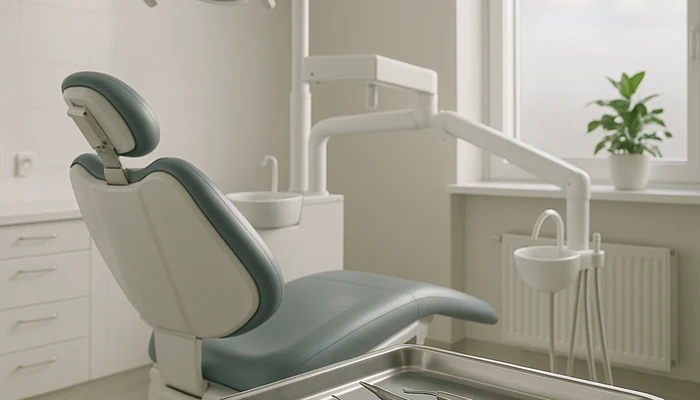
Dental clinics are high-risk environments for cross-contamination due to frequent contact with saliva, blood, and aerosols. Procedures routinely generate bioaerosols, and high-touch surfaces can harbor pathogens. Unlike typical commercial spaces, maintaining hygiene here demands more than surface cleaning: it requires stringent protocols designed specifically for the clinical context.
- Biohazard management: Sharps, instruments, and medical waste must be handled to regulatory standards.
- High-traffic zones: Waiting rooms, reception desks, and restrooms see constant use and require frequent attention.
- Equipment complexity: Dental chairs, lights, and small tools require specialized cleaning approaches.
Regulatory Frameworks: Compliance You Can’t Ignore
Regulations protect both staff and patients from risks inherent to dental care. OSHA enforces standards to limit occupational hazards, while the CDC provides strict guidelines for infection control. Compliance is non-negotiable for professionalism, and cleaning protocols must reflect:
- Proper labeling and storage of cleaning agents
- Sharps and biohazard waste procedures
- Appropriate use of personal protective equipment (PPE)
For official guidance, reference the OSHA cleaning standards and CDC’s laboratory safety practices.
Structured Cleaning Protocols for Dental Practice Hygiene
A successful hygiene plan for dental clinics is rooted in detailed, stepwise procedures. These are codified in protocol documents and checklists for staff accountability and consistency. The protocol should address:
- Pre-cleaning: Removal of debris and visible soil
- Chemical disinfection: Wiping surfaces with EPA-registered agents
- Rinsing and drying: Preventing residue buildup
- Recordkeeping: Logging each completed task
Critical Cleaning Checklists Translated for Dental Environments
Below is a specialized checklist designed for dental clinics. This addresses the unique needs beyond ordinary office spaces.
| Area/Surface | Task | Frequency |
|---|---|---|
| Operatory surfaces (chairs, lights) | Disinfect after every patient | Between all patients |
| Instruments & Tools | Sterilize with autoclave | After each use |
| Waiting room furniture | Wipe with disinfectant | Daily; more if traffic is high |
| Restrooms | Disinfect all high-touch surfaces | Twice daily minimum |
| Floors | Mop with appropriate hospital-grade cleaner | Daily |
| Reception counter, phones | Disinfect with alcohol-based wipes | 3x per day |
| Waste bins | Empty, disinfect bins, replace liners | Daily or as filled |
Selection and Use of Professional Cleaning Agents
Dental clinics require hospital-grade disinfectants, but with care for sensitive surfaces and staff safety. Cleaning providers assess each material—vinyl, stainless steel, glass—to match specific agents and avoid chemical damage. Key considerations include:
- Contact time: Allow disinfectant to remain wet as directed for effectiveness.
- Compatibility: Avoid cleaners that corrode or discolor equipment.
- Label and SDS compliance: Maintain easy access to Safety Data Sheets.
Managing High-Touch Points and Bioaerosol Risks
Areas most likely to contribute to microbial transmission demand increased attention. Professional protocols for hygiene maintenance in dental clinics prioritize:
- Door handles, faucet levers, and light switches
- Chair controls and dental trays
- Tabletops, keyboards, and payment terminals
Between-patient cycles address tools and treatment surfaces, while daily routines target public spaces.
Instrument Processing: Disinfection and Sterilization Imperatives
Instrument reprocessing is mission-critical. Steps include:
- Pre-soaking instruments to prevent debris from setting
- Ultrasonic or manual cleaning to remove residues
- Rinsing and drying before packaging
- Sterilizing (e.g., autoclave)
- Documenting cycles and monitoring process indicators
Instrumentation not only needs to look clean but must meet CDC and ADA sterility standards.
Air Quality and Ventilation: Often Overlooked, Always Vital
Dental procedures create invisible airborne risks. A thorough hygiene maintenance strategy includes:
- Routine HVAC filter changes and air purification
- Door policies to reduce cross-airflow between operatory and public areas
- Optional use of HEPA air scrubbers during procedures
Specialized cleaning teams can advise on air management schedules appropriate for your clinic size and layout.
Training Staff for a Culture of Hygiene
Administrative and clinical teams play complementary roles in upholding standards. Professional orientation covers:
- Role-specific cleaning responsibilities
- Hand hygiene technique
- PPE donning and doffing instructions
- Incident reporting for contamination events
Chicagoland Cleaning Services provides ongoing communication and staff collaboration for seamless support—vital for unbroken hygiene maintenance in dental clinics.
Safety Protocols: Protecting Patients, Staff, and Visitors
Effective safety measures extend beyond cleaning. At every step, cleaning professionals work with dental staff to uphold:
- Immediate containment of spills and bodily fluids with proper PPE
- Frequent handwashing cycles, especially after changing gloves
- Restricted access during disinfection
- Posting of cleaning schedules and completion logs for transparency
Comparing In-House and Professional Cleaning for Dental Clinics
Should your clinic use in-house staff or contract specialists? Consider this comparison:
- In-house: Greater control and flexibility, but often lacks medical-grade training or specialty tools.
- Professional teams: Bring expertise, regulatory understanding, commercial equipment, and advanced products specifically for healthcare environments. Their work is result-driven and reliably documented for audits.
What to Expect from a Professional Dental Clinic Cleaning Service
Specialist providers, like Chicagoland Cleaning Services, differentiate through:
- Using industry-vetted checklists and task logs aligned to dental infection control best practices
- Training staff for sensitive environments (discretion, privacy, and minimal disruption)
- Flexible scheduling to minimize patient impact—including after hours or weekends
- Consistent point-of-contact and transparent reporting
Many also offer add-on services (such as event cleaning or retail space cleaning) for multi-use facilities. For single-provider dental practices through to busy group clinics, this means custom plans that suit your daily rhythms.
Special Scenarios: Handling Outbreaks, Renovations, and Inspections
Certain events call for enhanced protocols:
- Outbreak response: Emergency deep cleaning with specialized disinfectants and extended drying times.
- Post-renovation: Removal of construction dust and chemical residues with HEPA vacuuming and electrostatic fogging.
- Pre-inspections: Focused cleaning of often-overlooked areas such as vents, light switches, and baseboards.
Developing a Custom Hygiene Plan: Aligning With Your Dental Clinic’s Needs
No two clinics are identical. Factors affecting scope, schedule, and solutions:
- Patient volume and appointment cadence
- Clinic floor plan and number of operatories
- Shared facilities (restrooms, staff kitchens)
- Areas closed to patients (labs, storage)
- Compliance history and unique risk points
Professional partners help you map needs to action, calibrating checklists and task frequencies accordingly.
Checklist: Steps to Consistent and Safe Dental Clinic Hygiene
- Identify all clinic areas and assign cleaning frequency
- Train staff on proper protocols and product handling
- Log every cleaning action for transparency
- Schedule deep cleans to supplement daily routines (monthly or as required)
- Update protocols in response to emerging risks or changing regulations
- Regularly review supply inventory for disinfectants, PPE, and wipes
- Coordinate with external providers for specialized services—such as autoclave validation or air quality optimization
Integrating Advanced Technologies for Superior Results
Recent technological advances have improved hygiene maintenance in dental clinics:
- Electrostatic sprayers: Provide thorough, even distribution of disinfectant over complex surfaces.
- Ultraviolet-C (UV-C) lighting: For supplemental sterilization of unoccupied operatories.
- Digital checklists and cleaning management apps: For real-time task tracking and compliance verification.
Discuss options with your provider for the greatest safety, efficiency, and audit readiness.
Internal Collaboration: Roles of Dental Team and Cleaning Professionals
Success is a partnership. Dental staff should:
- Report concerns (such as spills or supply shortages) promptly
- Provide access and cooperation during cleaning cycles
- Help monitor ongoing compliance and cleanliness perceptions
Cleaning professionals share feedback and flag emerging risks, ensuring no element of hygiene maintenance is overlooked.
Case Study: Transforming a High-Traffic Clinic with Elite Protocols
Consider a busy Chicago dental office that transitioned from a general janitorial service to a specialized provider like Chicagoland Cleaning Services. Post-transition, the clinic reported:
- Audit-ready documentation for all critical cleaning tasks
- Significant reduction in patient schedule delays due to streamlined after-hours cleaning
- Improved satisfaction scores from both staff and patients
- Zero reported cross-contamination or inspection violations
Customized protocols, regular retraining, and true clinical-grade disinfection made the difference.
Essential Internal and External Resources
Staying informed aids continuous improvement. Reference:
- Instrument sterilization best practices
- Dental equipment disinfection tips
- Disinfection methods for dental offices
- Best practices for dental office cleanliness
- OSHA’s workplace standards for cleaning
- CDC’s dental and lab safety guidelines
FAQ: Hygiene Maintenance in Dental Clinics
- What are the most critical hygiene tasks in a dental clinic?
- Disinfection of operatories, sterilization of instruments, and frequent cleaning of all high-touch surfaces are the top priorities for maintaining a safe environment.
- How often should dental clinic restrooms be sanitized?
- Restrooms should be thoroughly sanitized at least twice daily and more frequently with high patient traffic.
- What is the best disinfectant for dental instruments?
- Instruments require sterilization, typically via autoclaving. For surfaces, use an EPA-registered, hospital-grade disinfectant that is compatible with medical equipment.
- How can cross-contamination be minimized in the dental office?
- By using one-time covers, barrier protection, proper glove changes, and immediate surface disinfection between every patient.
- What documentation is required for cleaning in dental clinics?
- Cleaning logs must be maintained for all operatory, instrument, and public spaces—documentation is crucial for compliance and audits.
- Should cleaning be done during or after office hours?
- Most thorough tasks are scheduled after hours, but high-touch surfaces and bathrooms require daytime cleaning to stay safe.
- Is professional cleaning necessary for small dental offices?
- While basic tasks can be handled by staff, specialized professional cleaning ensures regulatory compliance and a consistently hygienic environment.
- Can advanced cleaning tech replace manual disinfection?
- Technologies like UV-C can supplement manual cleaning but should not replace routine protocols for comprehensive pathogen control.
- What’s the difference between disinfection and sterilization in a dental clinic?
- Disinfection reduces most pathogens on surfaces; sterilization eradicates all forms of microbial life, essential for instruments.
- How often should protocols be updated?
- Protocols should be reviewed at least annually or any time there’s a regulatory update or significant workflow change.
Ensuring Lasting Hygiene in Dental Clinics: Next Steps
Consistent hygiene maintenance in dental clinics is a dynamic, ongoing responsibility. By aligning team roles, regulatory guidelines, and professional cleaning partnerships, clinics foster environments of trust, safety, and comfort for every patient and staff member. Thorough documentation and adaptation to evolving standards are the markers of a practice committed to clinical excellence. For Chicago clinics seeking a higher standard, partnering with experts means elevating peace of mind and operational confidence.
To book a Dental clinic cleaning service or customize a plan for your facility, contact our team. If your business also includes administrative offices, you may wish to consider an Office cleaning service to create a fully hygienic work environment. For eateries within your clinic building or nearby, explore tailored Restaurant cleaning schedules.
About Chicagoland Cleaning Services
Chicagoland Cleaning Services helps households and businesses in Chicago, Illinois and nearby areas keep their spaces clean and healthy. With expertise in recurring house cleaning, deep cleaning, move out cleaning, office cleaning, and specialized facility cleaning, our professionally trained team follows strict protocols and consistently high standards. We use carefully selected products and equipment, prioritize transparent pricing, and are committed to long-term relationships with every client. For more information or to connect with our team, please visit Chicagoland Cleaning Services.
commercial cleaning services chicago, dental office surface cleaning chicago, dental operatory cleaning chicago, waiting dental room cleaning Montgomery IL, dental chair area cleaning Libertyville IL, sterilization dental area cleaning Bannockburn IL, waiting dental room cleaning Gold Coast, dental chair area cleaning Burr Ridge, dental chair area cleaning Wicker Park IL, sterilization dental area cleaning Lincoln Park IL